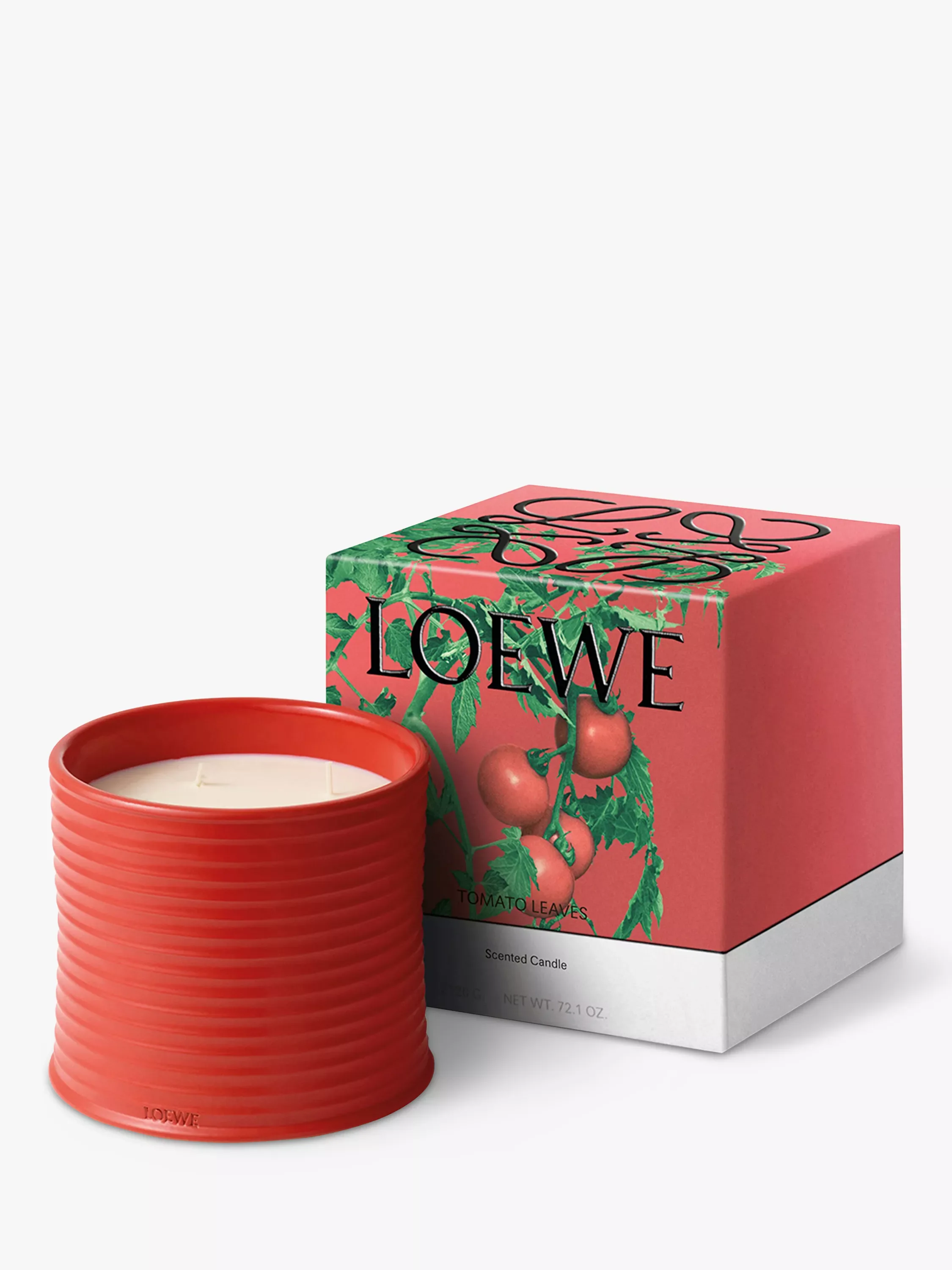
The founder of SOROKA, Chelsea’s joy-first boutique on earning the nickname The Magpie, curating a three-storey world of colour and craft, the women who shaped her, and why retail needs fewer viral moments and more reasons to stay.
Former designer and brand creative Jamila Asgarova launched Soroka in 2024, but the instinct behind it was a long time in the making. Her career began as a creative director shaping the creative for well-known beauty brands. From there she founded a wellbeing clinic and brand with her mother, offering combined holistic treatments years before the wider wellbeing world caught up.

Photography, founder Jamila Asgarova, Soroka.
Along the way, her colleagues came to know her fondly as The Magpie, for the treasures and tokens she would gather on her trips and bring home. So when Jamila opened her first London store, the name all but chose itself: Soroka, which means magpie, a bird known for its knack for discovering treasures and carrying them back to the nest.
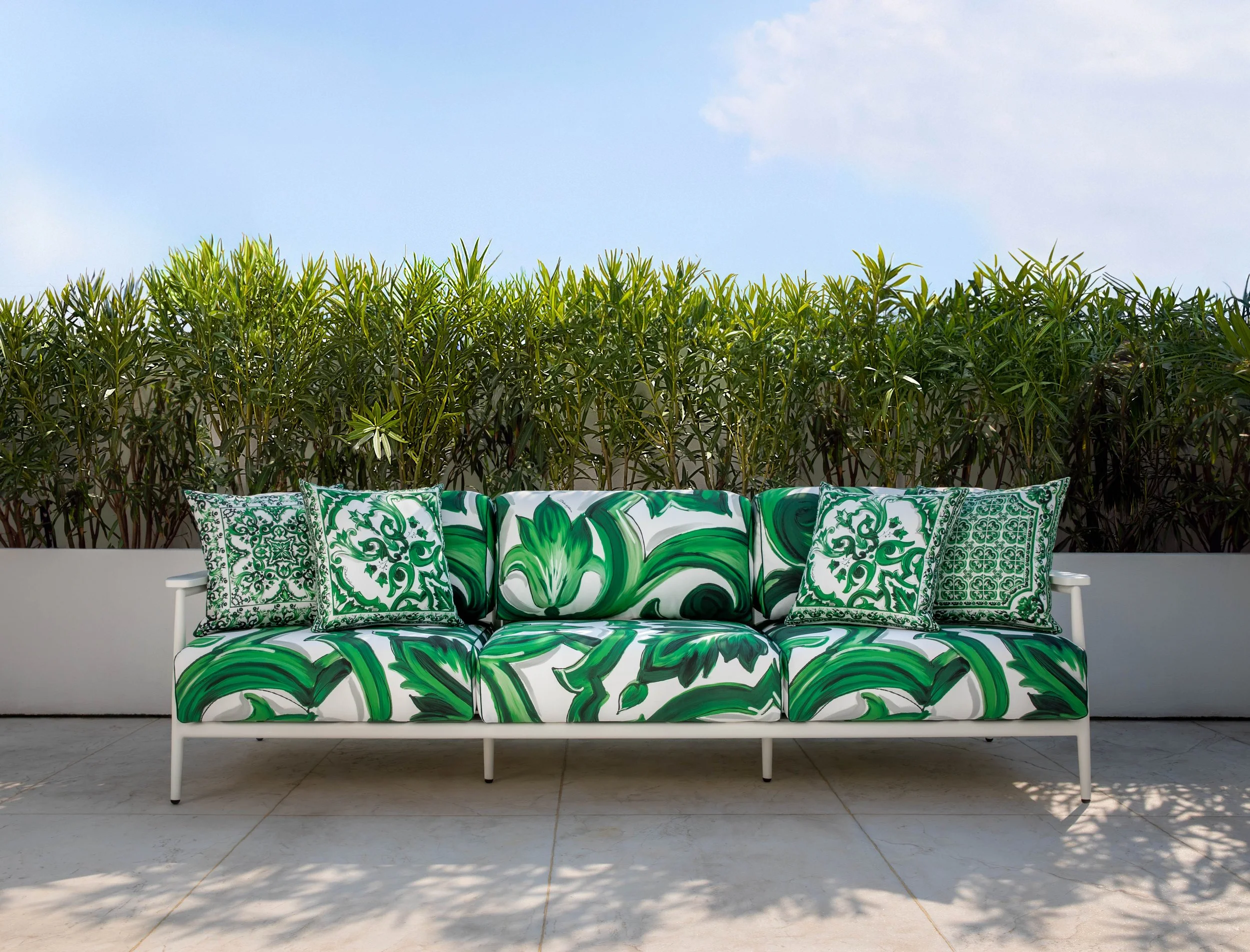
On Walton Street in the heart of Chelsea, Soroka unfolds across three beautifully curated storeys, crammed with a magical world of objects designed to bring joy, with dedicated sections for homewares, lifestyle, fashion, jewellery, wellbeing and kids, and an events space that hosts Soroka’s own gatherings. Jamila and her team are committed to supporting independent brands from around the world, and the boutique is now home to more than 40 of them, with work by sought-after artists, sculptors and ceramists sitting alongside names such as Rize London and Patrizia Italiano.
Here, she talks to THE FLUXX about Baku, The Magpie, the maker whose story she cannot stop telling, and the London tables, bars and Sicilian summers she returns to again and again.
Soroka spans homewares, fashion, jewellery, wellbeing and even a kids’ section under one roof, a mix that does not sit neatly under any single retail category. How would you describe what Soroka means to you, in your own words?
Yes, Soroka is a crazy mix of all these different things under one roof, but I think that’s exactly what makes it so special.
To me, Soroka is a world: a world of colour, joy, creativity and little outbursts of emotion. It’s about little ripples of sunshine, positive emotion and lots of great energy. Every object is a little beam or nugget of that feeling that someone can discover, fall in love with and take home with them.
From the very first moment Soroka was born in my mind, that idea has stayed the same. It has always been about bringing people happiness through great objects, things that have taken time, thought and care to make. I love the idea that every object eventually finds its owner and gives that person a new positive feeling.
Soroka has evolved, of course. It’s brighter, bigger and probably even more colourful now, but the feeling at its heart hasn’t changed.
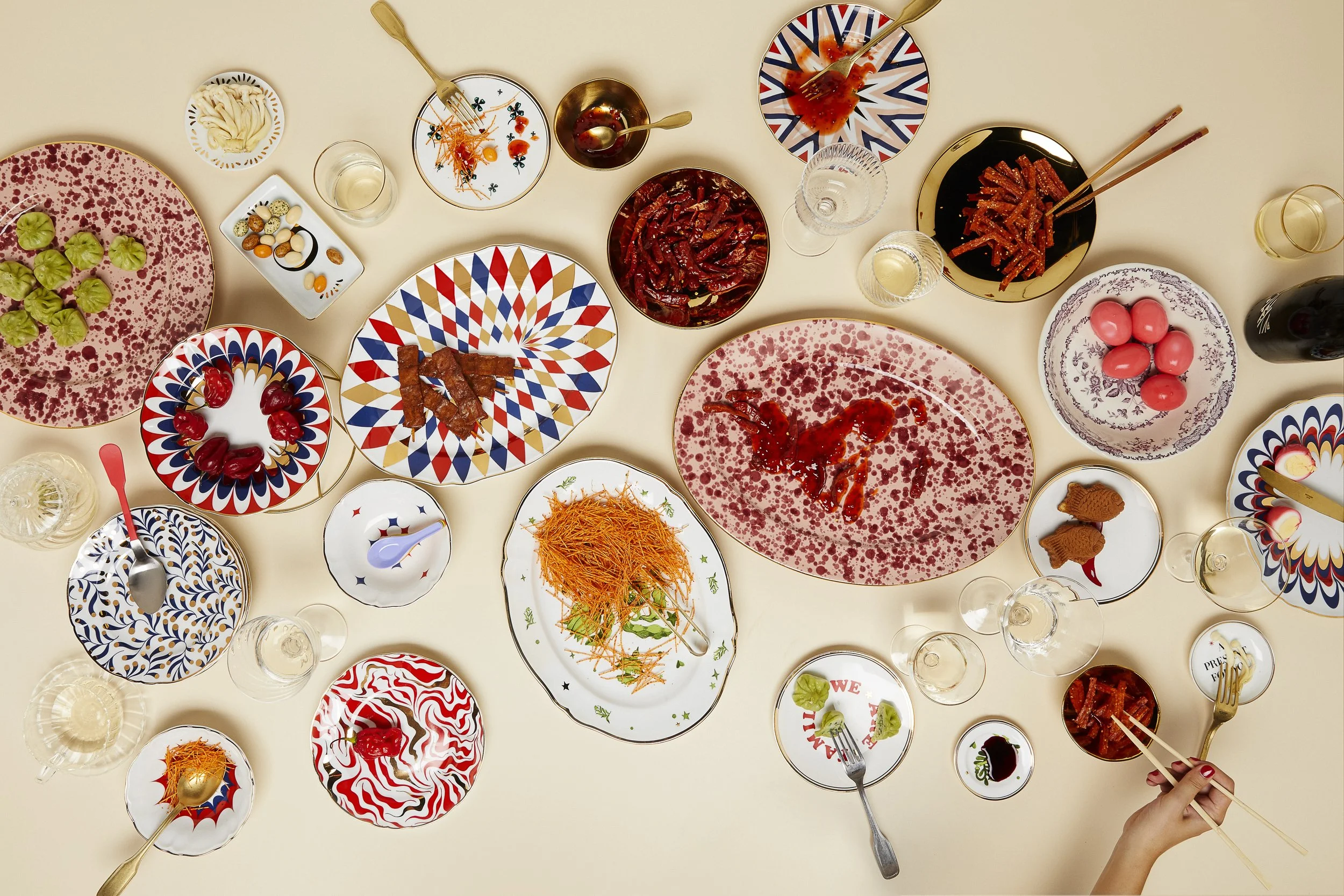

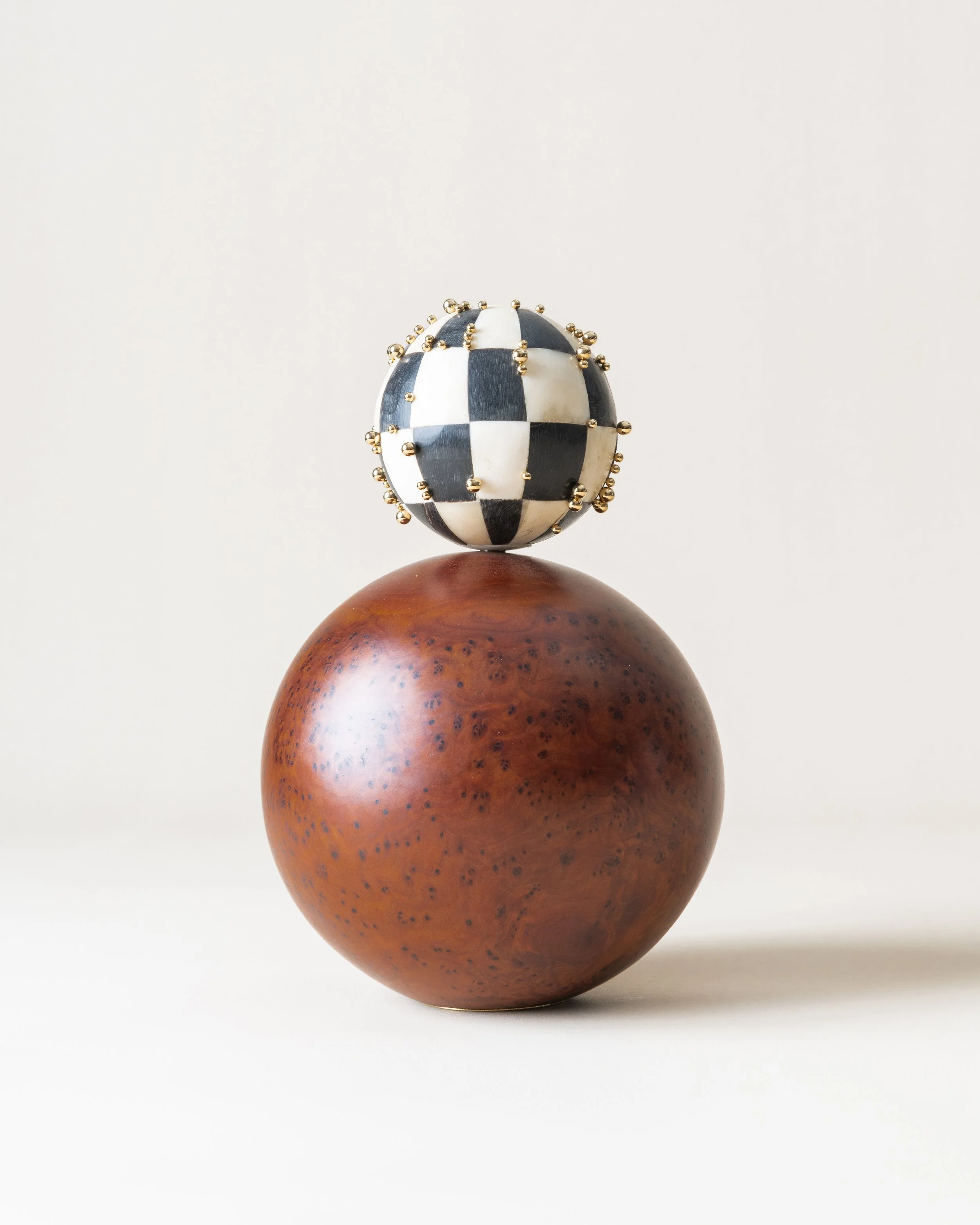
Photography, Soroka London. Bottom left, founder Jamila Asgarova.
Soroka’s story traces back to Baku before Chelsea. Is there anything from that original context, a colour palette, a way of gathering people, a sense of hospitality, that you have deliberately carried into the Walton Street store?
Baku gave me confidence more than anything. It was the first confirmation that the craziness wasn’t only in my head!
I’ve always collected objects, brought unexpected things together and really taken care over what sits alongside what. Opening Soroka in Baku allowed me to see that other people resonated with that too. They understood the curation, gravitated towards it and, most importantly, shared that feeling of joy I wanted the objects to create.
That gave me the confidence to take the story onwards to London. What I’ve carried with me isn’t necessarily one particular colour palette or aesthetic, but that same spirit: warmth, curiosity, generosity and a feeling that you can come in, explore and stay for a while. I hope that continues into many more countries one day.
You had already built a career as a creative director in beauty, then co-founded a wellbeing clinic with your mother years before “holistic” became an industry buzzword. What was the moment you realised the next step was not another brand to work on, but a space of your own to build?
I’ve always considered wellbeing to be a path that I inherited. I loved growing up alongside my mother, learning from her and continuing the beautiful journey she started. It’s something I remain deeply connected to.
Soroka, though, is my little passion project. It’s my creative child. It’s completely mine in the sense that it can act, walk, talk and grow in whichever direction I choose to shape it. There’s something incredibly exciting about having that freedom and creating something from the very beginning, knowing there are still so many directions it can take.
At the same time, I don’t think Soroka would exist in the way it does without my wellbeing journey. Working alongside my mother and working on myself gave me a certain inner freedom. Eventually, that became the confidence, and perhaps the guts, to say, yes, I can do this. I can create my own little piece of sunshine.
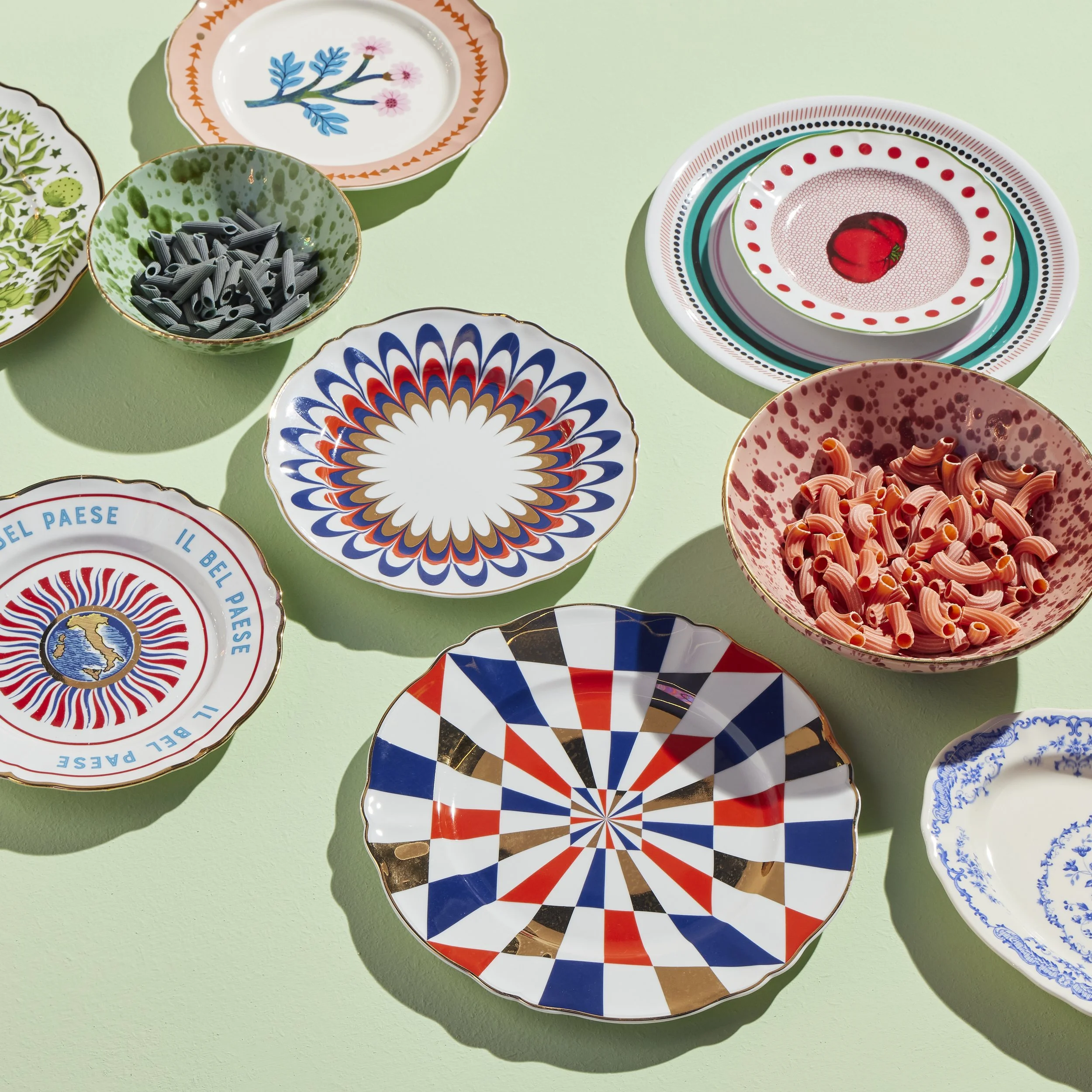
Wellbeing has its own section at Soroka. Has your definition of wellbeing changed since those early clinic days, and does that show up in what you now choose to stock?
For me, wellbeing has never been completely separate from the way we live. My years working within the wellbeing industry taught me a great deal about how our surroundings, rituals and the things we choose to bring into our lives can affect how we feel.
I think that naturally comes through at Soroka. Wellbeing doesn’t have to be something clinical or complicated. It can be an object that makes you smile, a scent that changes the atmosphere of a room, a ritual that gives you a moment to yourself, or simply creating a home that feels joyful to be in.
In that sense, my understanding of wellbeing has probably become broader. It’s as much about how you feel in your everyday life as anything else.
Your colleagues nicknamed you The Magpie long before Soroka existed. Was there a specific find, an object, a trip, a market stall, that made you first think “this is what I do, this is who I am”, or did the nickname sneak up on you over years of collecting?
The Magpie definitely sneaked up on me over the years! I don’t think there was one particular object or moment.
It came from the people who worked with me seeing this slightly crazy streak of collecting, bringing things back, a little bit of hoarding here and there, and then somehow curating it all beautifully within a space.
I’m very lucky because members of my team have been with me for many years, and I think in some ways they saw Soroka coming before I did. Even within the wellbeing spaces I worked on previously, I would find myself bringing in collections of objects and decorating the treatment rooms and other spaces. The signs were there all along.
Perhaps the only thing missing on my side was the confidence to recognise that it could become something in its own right.
Soroka reads as a genuinely eclectic space rather than a curated neutral one, and colour feels like a deliberate stance rather than a byproduct. Where does that instinct come from, and do you think British taste is becoming more comfortable with colour, or still resistant to it?
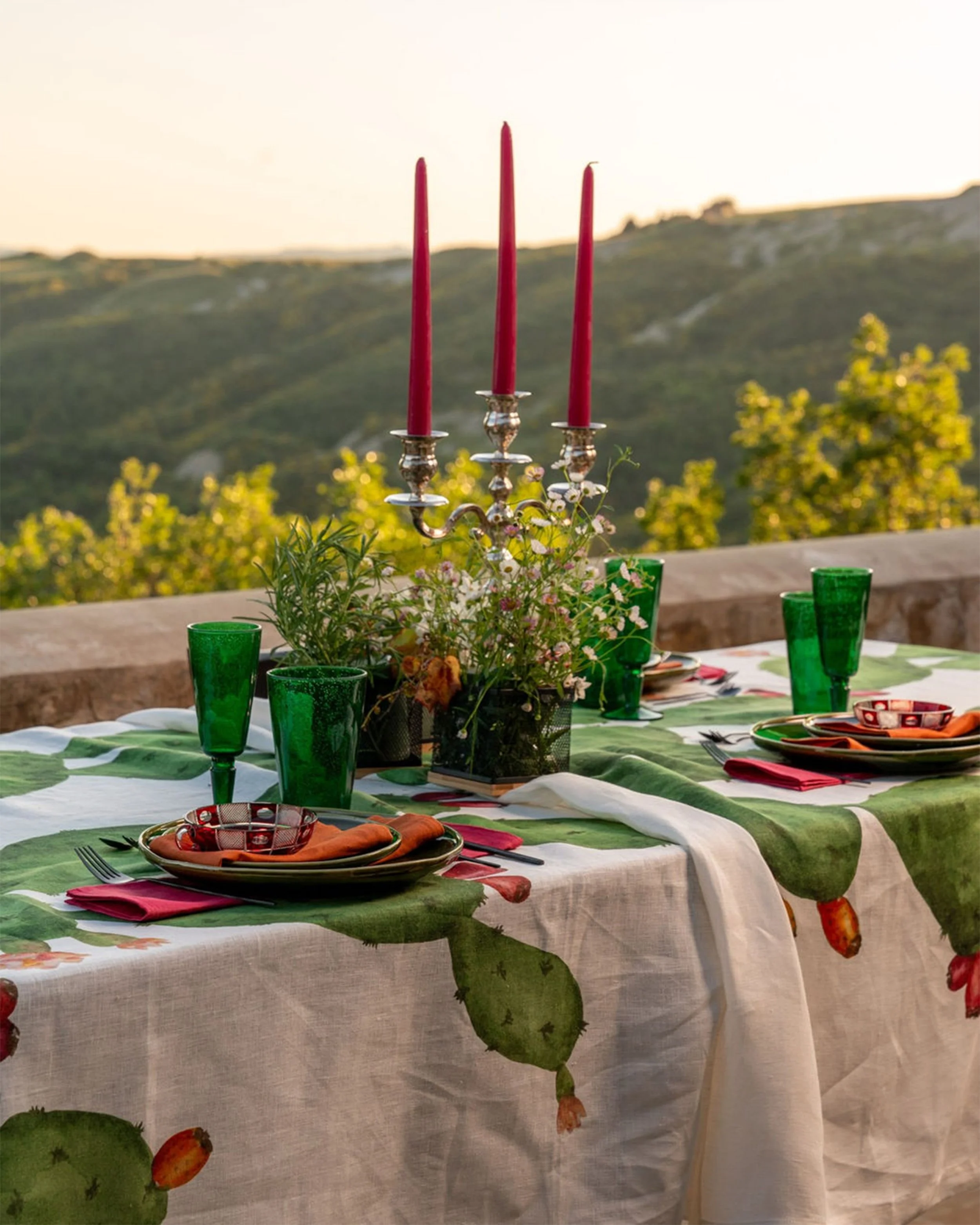


I don’t think anyone needs to be pushed into a particular way of living or decorating. What I love is giving people an environment where they feel comfortable enough to explore at their own pace.
That’s something I think Soroka does really well. You can browse, take a closer look, touch things, ask questions and have a chat. There isn’t this pressure to immediately understand everything or decide whether something is “you”.
We have clients from all over the world, including wonderful British clients, and I’m proud that Soroka can speak to so many different tastes and cultures. Sometimes we’re introducing someone to an object, a technique, a maker or even a creative tradition from somewhere in the world that they may never have encountered before.
For me, Soroka is a melting pot of creative ideas, cultures and ways of making. People gravitate towards different parts of it regardless of where they come from. The important thing is giving them a relaxed environment in which they have time to connect with those objects. I think that might be part of our magic formula.
You describe wanting every object to “bring joy”. What do you think a maximalist, joy-first space like Soroka offers British shoppers that quieter stores do not?
I think it’s permission to explore and to respond emotionally to things.
Soroka isn’t really about telling somebody what their home should look like. It’s about surrounding them with objects that have personality, humour, craftsmanship and stories, and then allowing them to discover what they connect with.
There’s so much joy in finding something you weren’t looking for, something slightly unexpected that simply makes you happy. I think people want that sense of discovery. They want to touch things, ask where they came from, hear about the person who made them and perhaps leave with something they’ll continue to enjoy for years.
You work with sculptors, ceramists and independent makers alongside more established names like Patrizia Italiano, Vetrofuso and The Rolling and The Stoned. Is there a piece currently in the store whose maker’s story you find yourself telling customers again and again?

We work with so many talented makers that it feels unfair to choose just one, but recently I’ve really enjoyed telling the story of The Rolling and The Stoned because we’ve been working quite closely with the founder.
I love the concept behind his work, this idea of the day after the party and capturing a scene that makes you imagine what might have happened the night before. There’s humour to the objects, but also this slightly grungy attitude that feels very in line with Soroka.
We’re developing a collaboration together at the moment, which has allowed us to explore that world even further. I love makers who have a very clear point of view and aren’t afraid to bring humour or attitude into what they create.
What has been a continual inspiration throughout your career?
Definitely the women in my life.
I grew up admiring my mother: her work ethic, determination and extraordinary ability to never give up. She founded the first cosmetics company in Azerbaijan, and growing up around that was incredibly inspiring.
My grandmother was another formidable woman. She raised four daughters alone while heading one of the biggest tea manufacturing facilities in Azerbaijan at the time. She wore every possible hat and did every possible job, but still somehow remained wonderfully glamorous. She was always beautifully dressed, with her hair done and her earrings on.
My mother had that quality too. She always believed in putting on the beautiful clothes and showing up for life. I lost her recently, but she remains this little beacon of light for me. I carry her with me in everything I do.
Travel is often a source of creative renewal. Are there destinations you consistently return to, or recent discoveries you would recommend to readers seeking culture, design and atmosphere?

Photography, Aeolian Islands Italy sunset view by Salvatore Tonnara.
It has to be Italy. My husband is Italian and my children love spending their summers there with their grandparents, so it’s somewhere that has become incredibly special to us.
We spend a lot of time around Sicily and the Aeolian Islands, usually avoiding the busier, more touristy places. For me, heaven is a tiny restaurant with the simplest setting and the freshest seafood in the world. We cook together, have these huge, long dinners, eat beautiful fresh produce and fruit from the garden. It’s just love.
I think because our everyday lives are so busy, the greatest luxury is being able to switch off completely. Not needing to run anywhere, not having your phone beside you, not even really knowing what time it is.
Give me Sicily, the Aeolian Islands, a long day with people I love, a beautiful sunset and a slice of watermelon with the juice running down my arms. That, to me, is bliss.
Beyond travel, are there restaurants, cafés or cocktail bars whose atmosphere, materiality or sense of style you find especially compelling, spaces you return to again and again?
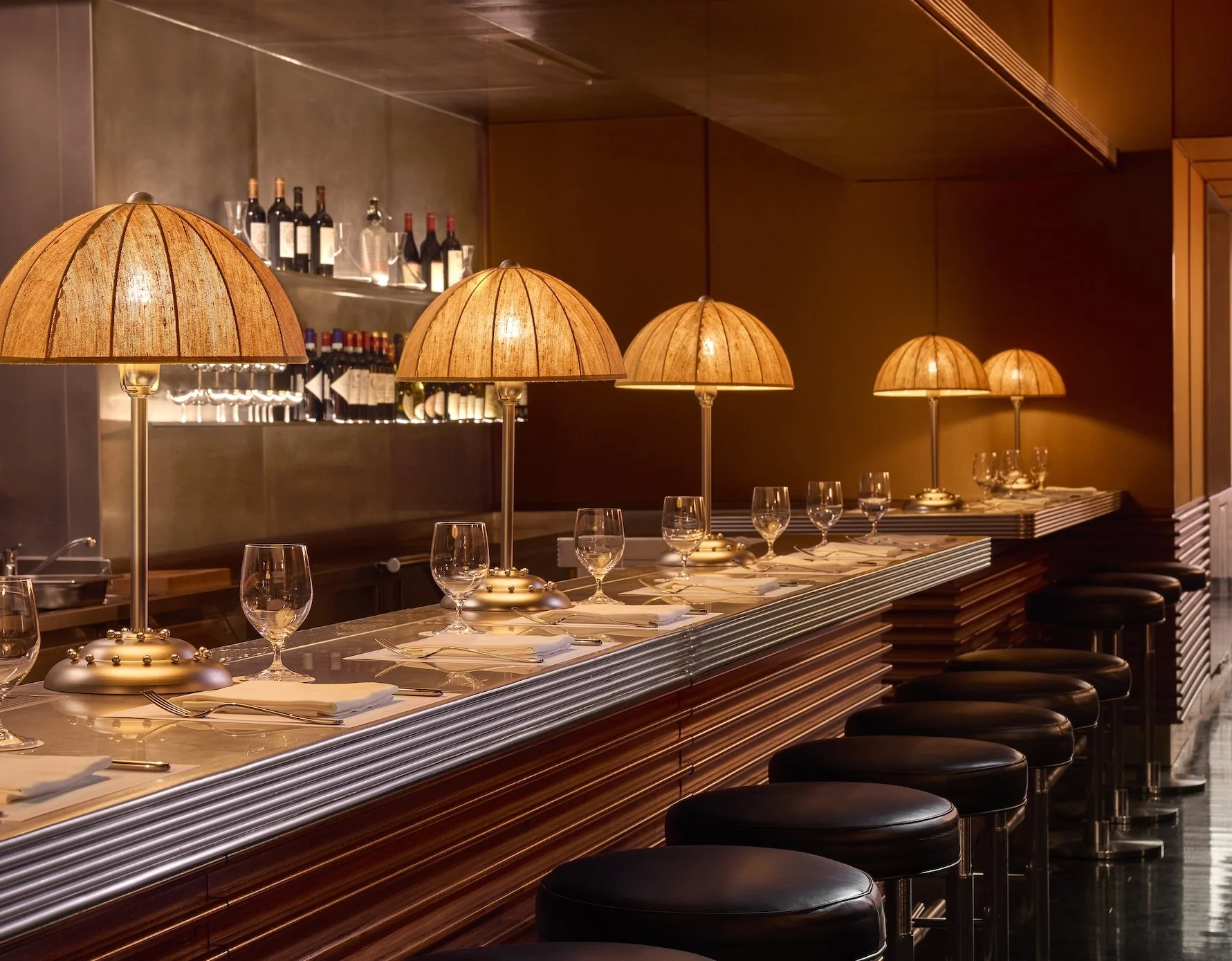
Photography, The Dover Street Counter.
Recently I’ve really enjoyed The Dover and Dover Street Counter. Dover Street Counter has the best music for me, lots of ’90s R&B, which immediately takes me back to some of my best days. I love sitting on one of the little bar chairs near the entrance quite late, having something delicious and a really dirty burger.
The Dover is where I’ll go if I want something a little more glamorous and feel like dressing up, while Martino’s is one of my easy midweek places for dinner and catching up with girlfriends.
I also love Bar des Prés. One slightly random thing I always notice is the acoustics: you can actually talk! It’s lively without everyone having to shout into each other’s ears. The interiors have this beautiful, slightly vintage, timeless quality with lots of wood, the food is fantastic and, in my opinion, they make the best Pisco Sour in London.
Then there’s Wild Tavern for lunch, Amar on Chelsea Green for coffee, genuinely some of the best coffee in London, and Lita in Marylebone. There are so many; I could go on forever.
What would you like to see more of in retail right now?

I would love to see more genuine experiences in retail, and I don’t mean pop-ups created simply for the sake of hype. I mean environments that actually allow people to connect with other people and with the world of a brand.
I love when a store gives you a reason to stay, play and engage. Board games, gatherings, creative classes, things that make a space feel alive. I’ve loved some of the art-focused experiences Hermès has created, for example. When an experience is meaningful, aligned with the brand and its products, and genuinely gives people something, I think it can be amazing.
I’d also love to see more retailers dedicating real time to sourcing and giving opportunities to smaller, independent makers. There are so many incredibly talented people out there who are desperate for a great platform, to be seen and to have their work understood.
For multi-brand retailers especially, I think there should be a willingness to take more risks. Give your visitor something they haven’t seen everywhere else. Give them a reason to explore.
And finally, what would you like to see less of?
Trend-led, viral things that don’t really have anything behind them. Collaborations for the sake of collaborations, oversized installations in the middle of a shop for no particular reason, things that feel as though someone is trying very hard to create a moment rather than focusing on what the brand actually stands for.
When brands chase trends too much, they can lose their message and their integrity. And eventually the customer disconnects because they no longer understand what the brand is trying to say.
Something going viral for one brand doesn’t mean it will work for another. I’d love to see less chasing of what worked for somebody else and more focus on your own story: understanding what you are, becoming the best version of that, and allowing the people who genuinely connect with it to gravitate towards you.
That’s how you build something with a strong and genuine message.
THE FLUXX In Brief
Who is Jamila Asgarova?
The founder of Soroka London, an independent boutique on Walton Street in Chelsea. A former creative director for beauty brands, she co-founded a wellbeing clinic and brand with her mother before launching Soroka in 2024.
What is Soroka London?
A three-storey boutique at 174 Walton Street, home to more than 40 independent brands across homewares, fashion, jewellery, wellbeing and kids, alongside work by artists, sculptors and ceramists.
What does Soroka mean?
Soroka means magpie, a nod to the nickname The Magpie that Jamila’s colleagues gave her for collecting treasures on her travels.
Visit Soroka London at 174 Walton Street, London SW3 2JL.
Join THE FLUXX Club for early invites, exclusive offers and first access to drops.
DISCOVER MORE FLUXX HOMES, INTERIORS & PROPERTY NEWS