FLUXX Review: Inside Bauhaus Dessau at One Hundred
The school that rewrote modern design turns 100. We tour the Bauhaus 100 centenary programme, the Kaufhaus Zeeck materials lab and Gropius's original Dessau campus.
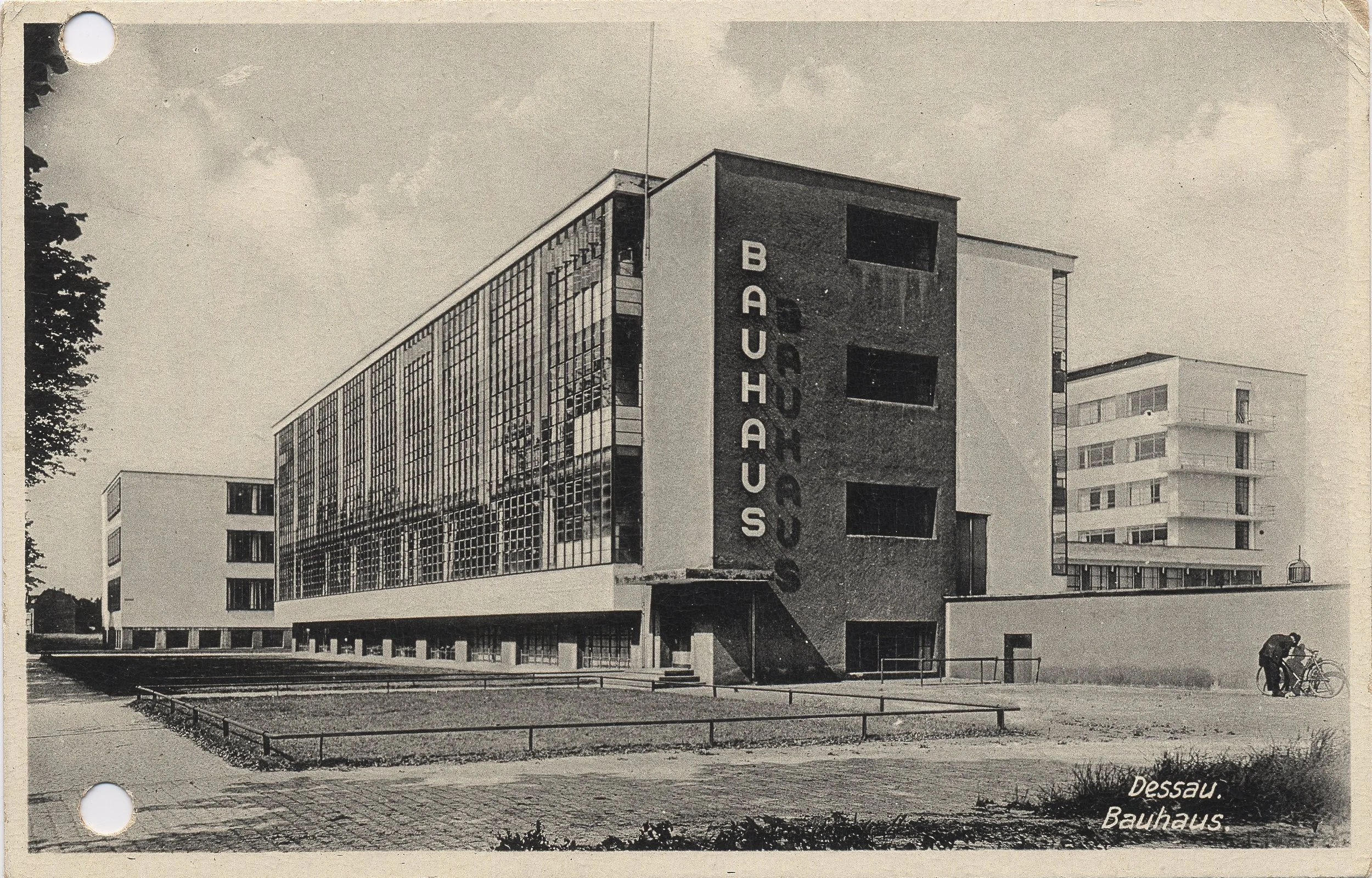
The Bauhaus, Dessau, 1927. Photo: Bauhaus Dessau Foundation.
Stand in front of the Bauhaus in Dessau and the building still feels like an argument. Glass curtain walls wrap a steel frame without ornament or hierarchy, the workshop wing suspended above the ground on a recessed plinth so the facade reads as a single transparent plane. Walter Gropius completed it in 1926. I visited expecting a museum. What I found was a campus that still works like a studio.
The train from Berlin takes under two hours. Dessau itself is quiet, unshowy, not obviously a place that changed the course of modern design. Then you see the building.
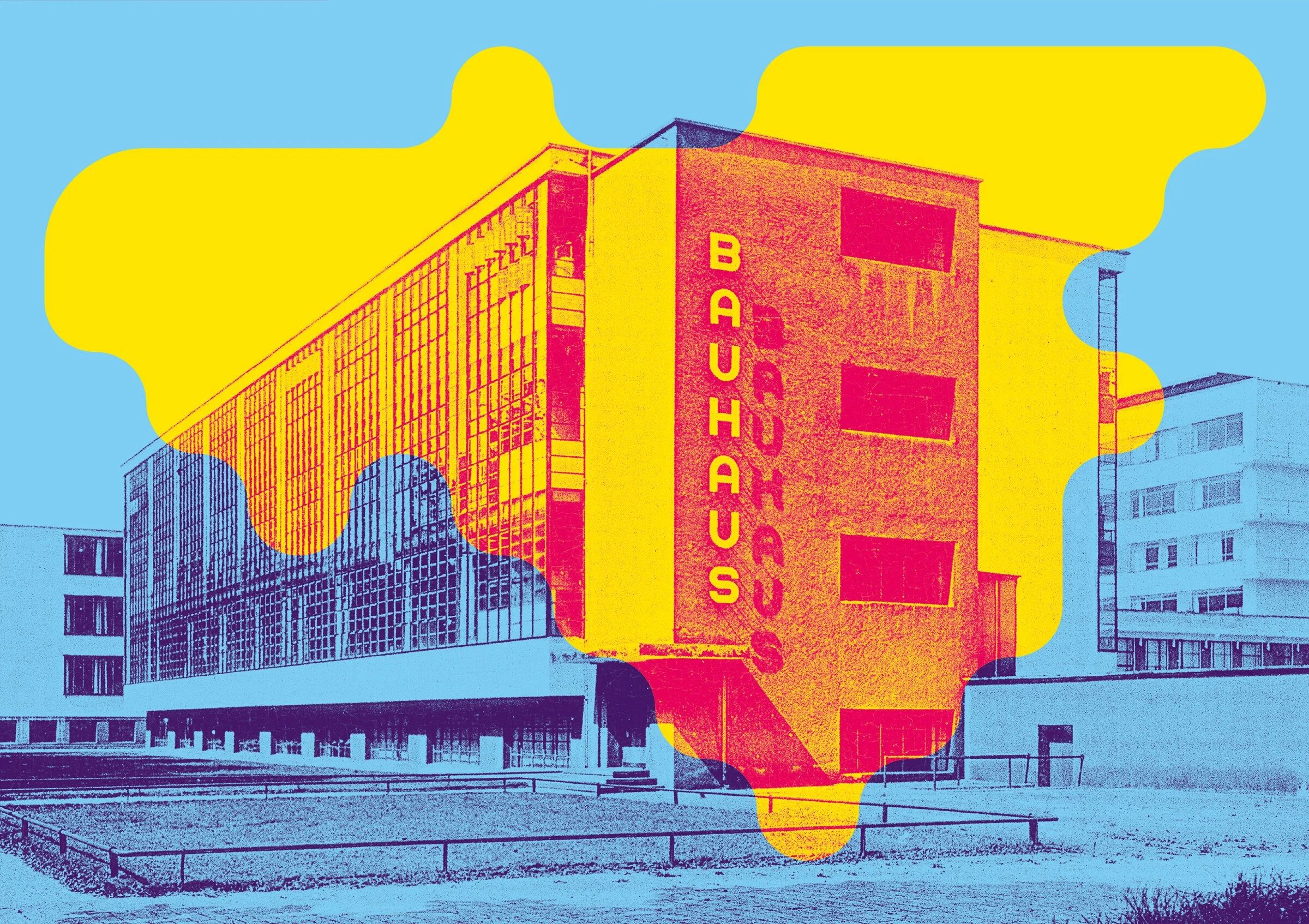
The Bauhaus 100 centenary identity. Image: Bauhaus Dessau Foundation.
A School, A Building, A Centenary
Founded in Weimar in 1919 and relocated to Dessau in 1925, the Bauhaus ran for only fourteen years before closing under political pressure in 1933. In that brief span it collapsed the distance between fine art and industrial craft, training the generation, Albers, Breuer, Moholy-Nagy, Klee, Kandinsky, who carried its principles across Europe and into post-war America. The Dessau building, commissioned by the municipality and designed by Gropius himself, is the centrepiece of Bauhaus 100, the centenary programme running across the city through December 2026.
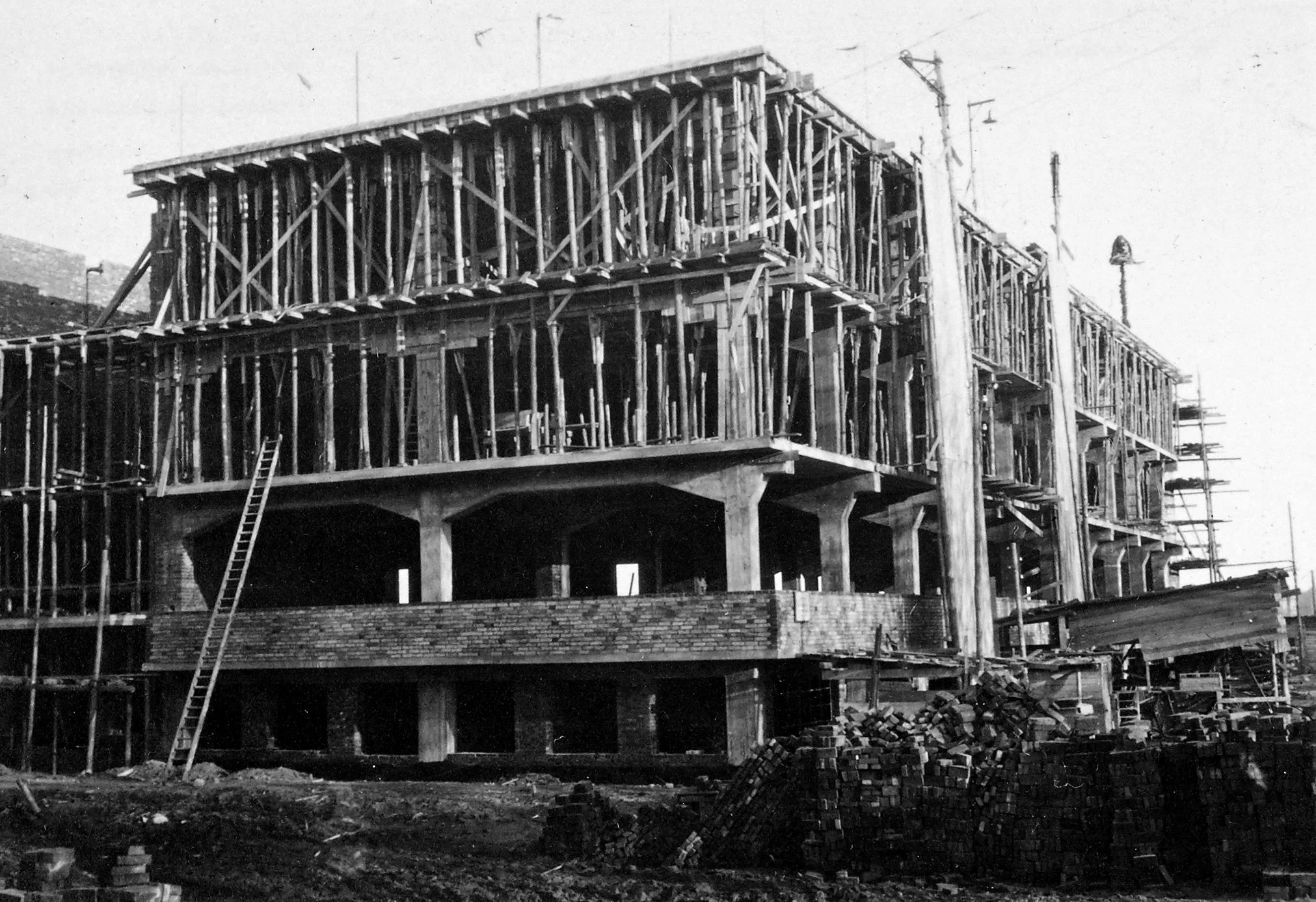
The Bauhaus building under construction, c.1926. Photo: Bauhaus Dessau Foundation.
The Materials Room
Kaufhaus Zeeck, reopened for the anniversary, houses the materials-led strand of the exhibition, organised around three substances the school treated as thinking material rather than finish, glass, metal and concrete.
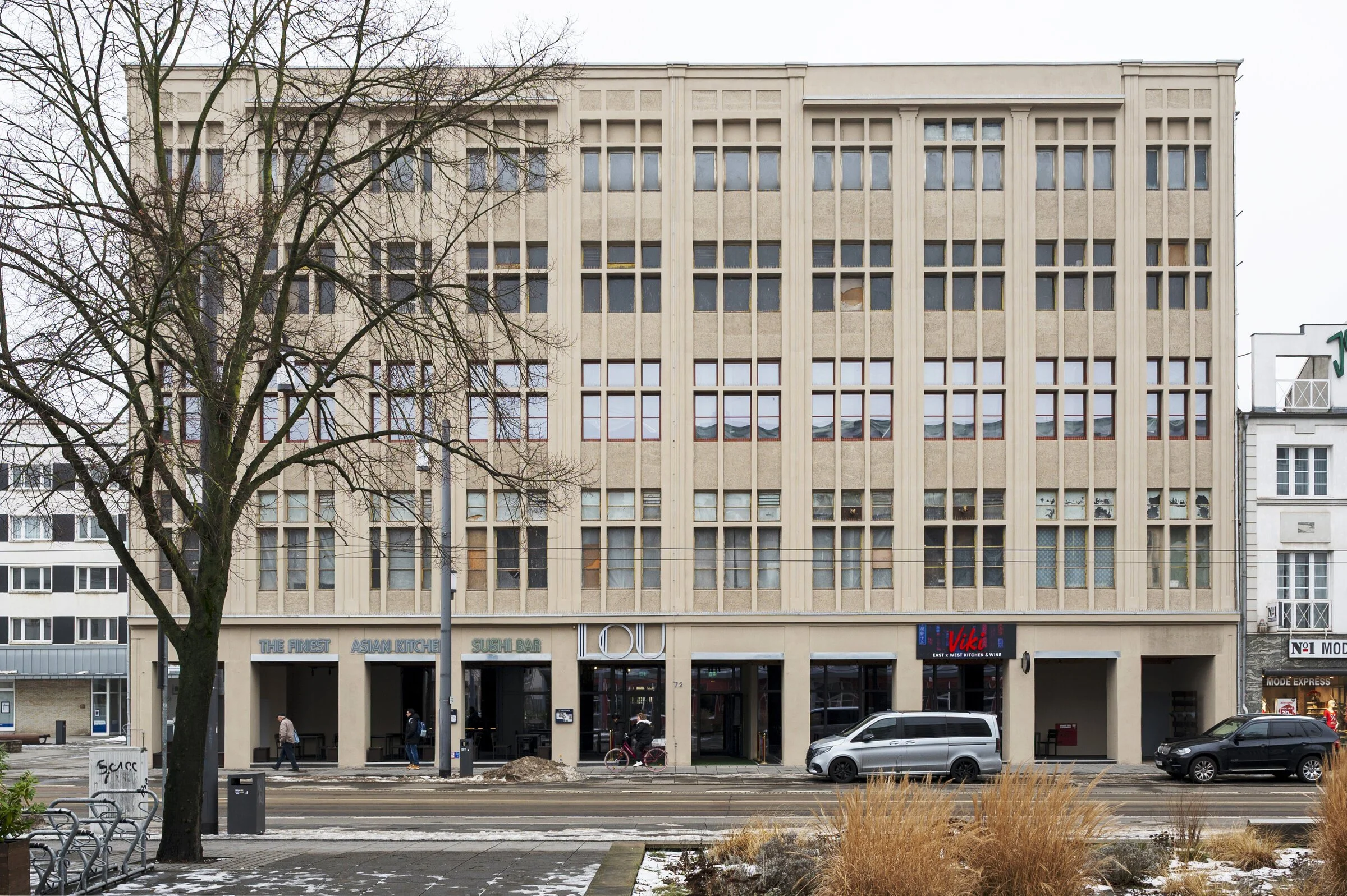
Kaufhaus Zeeck, the centenary exhibition venue. Photo: Bauhaus Dessau Foundation.
Glass was the Bauhaus's clearest political statement. Transparency carried moral weight. Nothing concealed, structure and function legible from the street. The curtain wall at Dessau was among the first of its kind on a public building in Germany. Standing close enough to touch the restored panes, you understand why the school believed architecture could be an act of honesty.
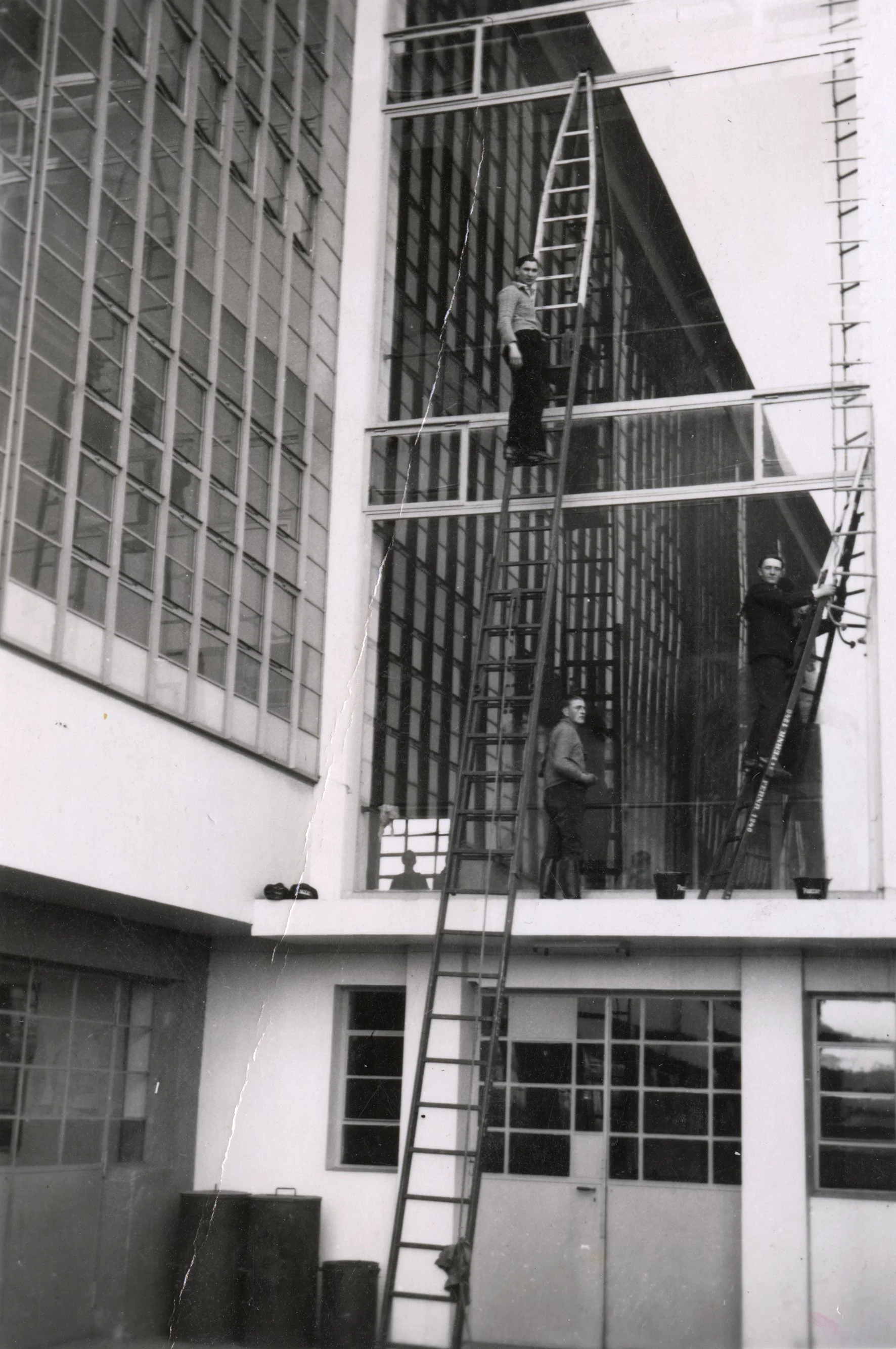
Cleaning the curtain wall of the workshop wing. Photo: Bauhaus Dessau Foundation.
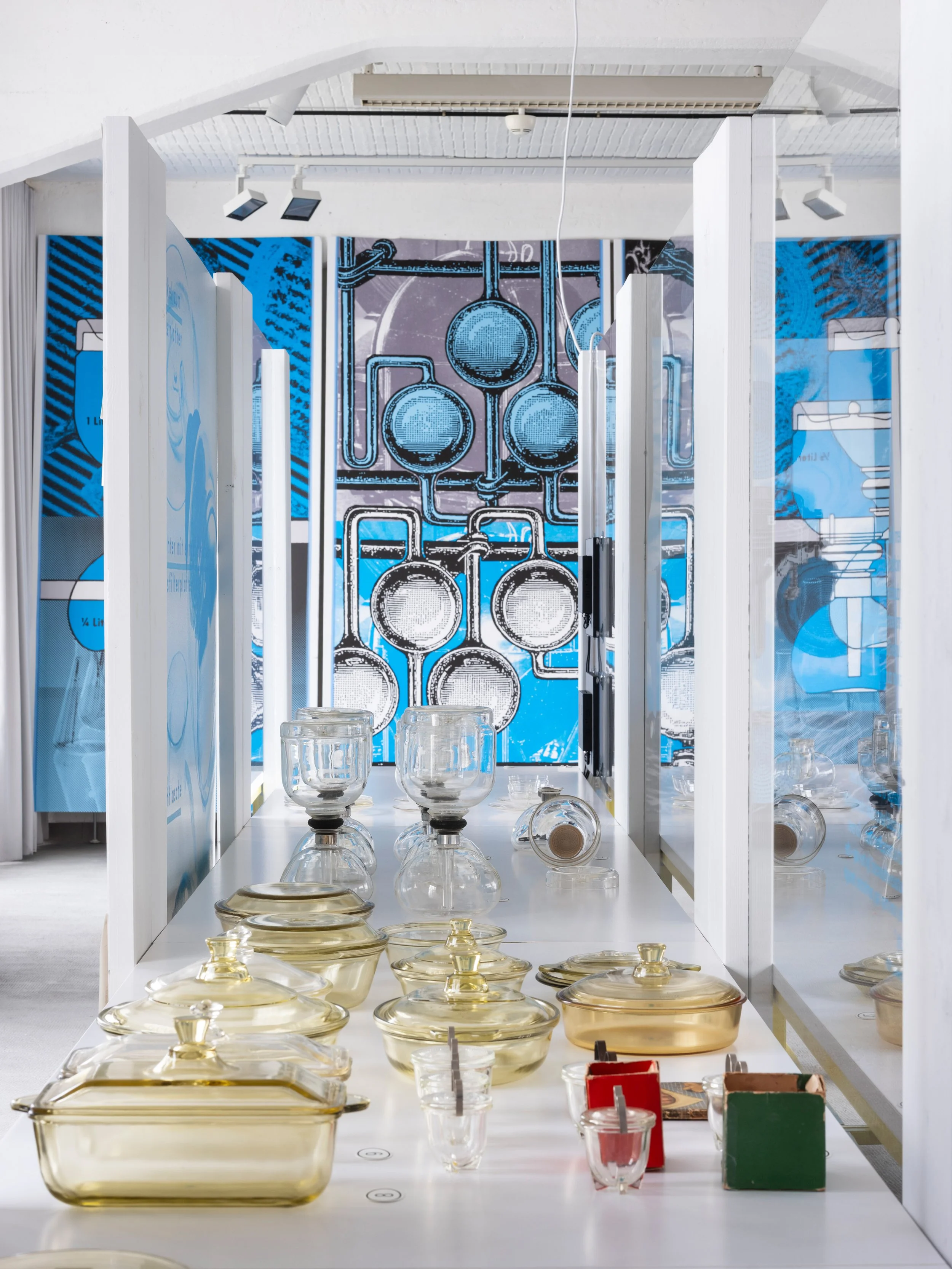
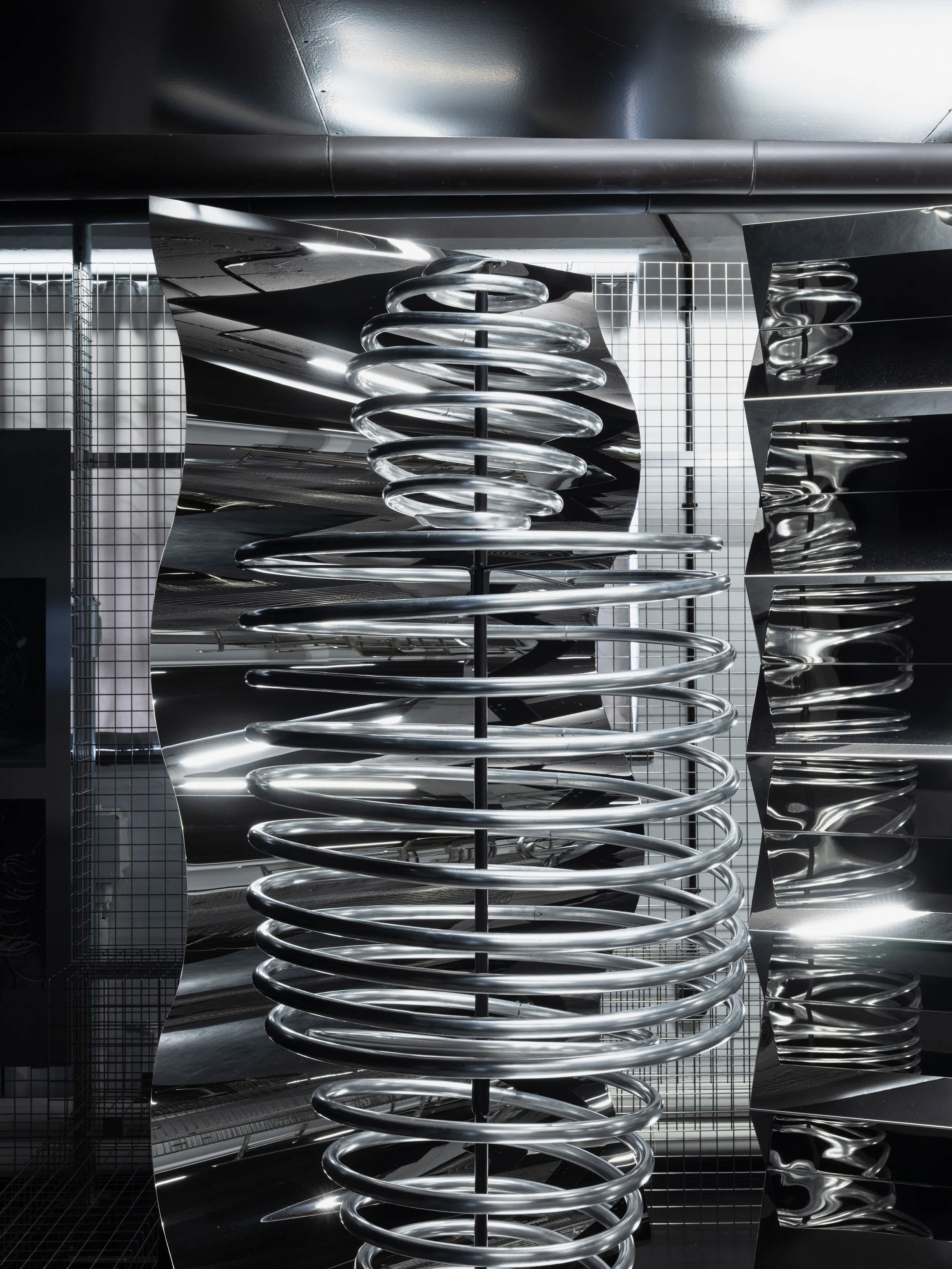
The metal workshop became one of the most influential parts of the school, producing sleek teapots, lamps and everyday household objects that helped shape the movement’s clean, modern aesthetic. These functional yet stylish designs brought a new approach to contemporary living and quickly became some of the most recognisable creations associated with the Bauhaus era.Around the same time, the furniture workshop introduced a revolutionary tubular steel chair design in 1925 that remains in production today, largely unchanged from the original concept.
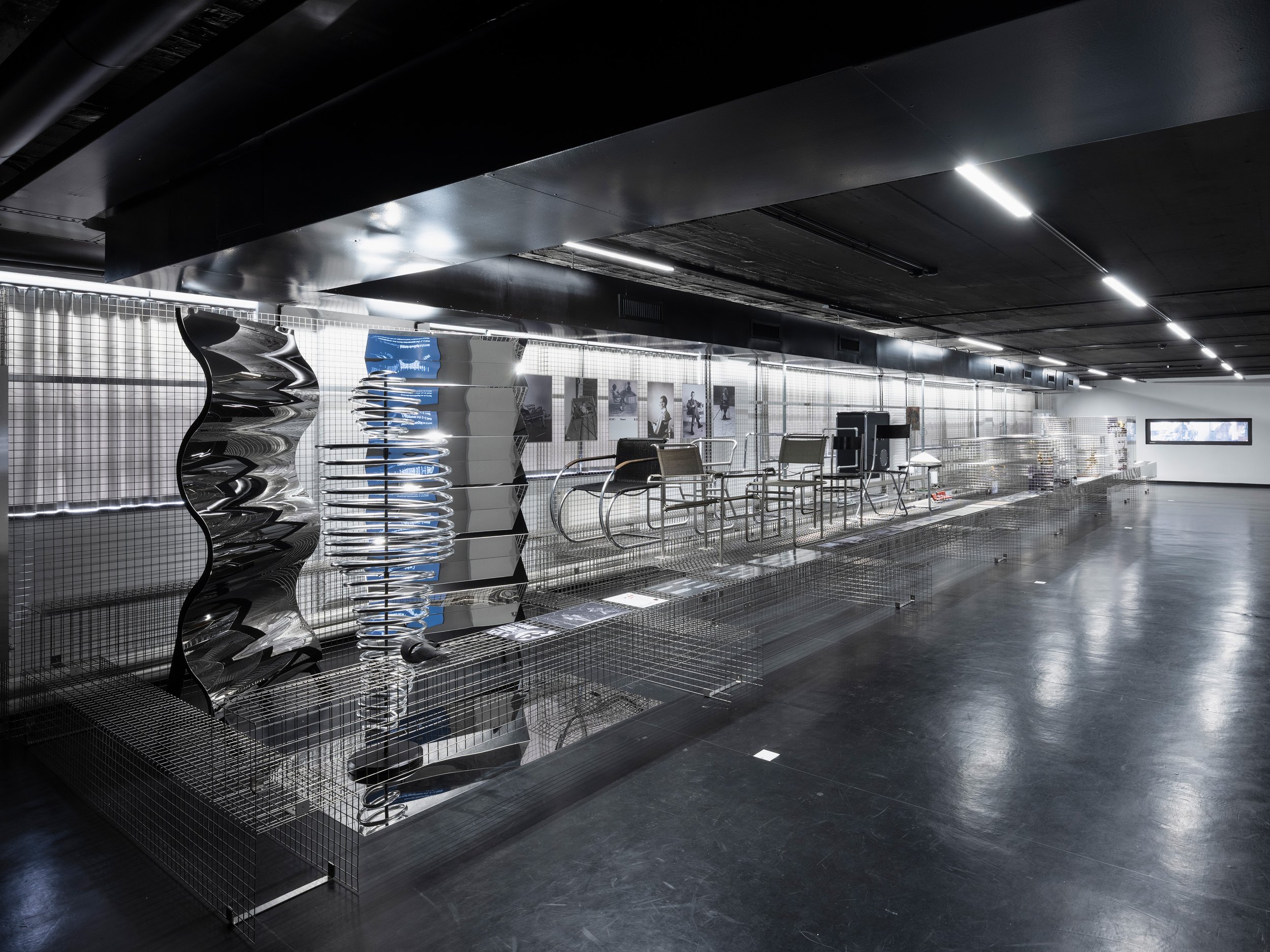
The restored Metal Workshop at Bauhaus Dessau, Photo: Bauhaus Dessau Foundation.
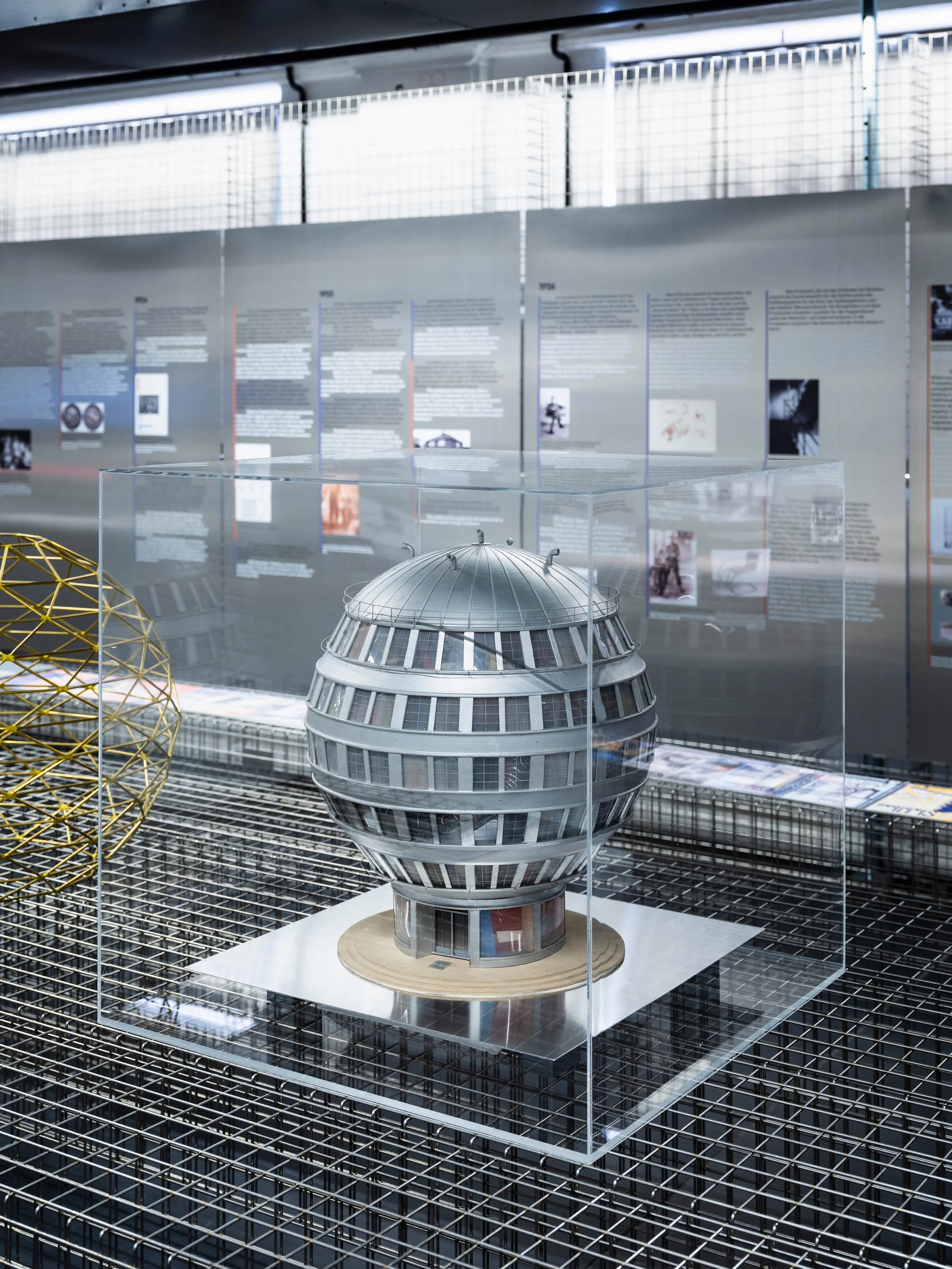
Concrete allowed the Bauhaus to build at scale. The Torten housing estate on the edge of Dessau, conceived by Gropius as a laboratory for low-cost modular living, was poured in site-mixed batches using a small transportable mixer the school helped design. Mass production, the argument went, was not the enemy of craft. It was its next phase.
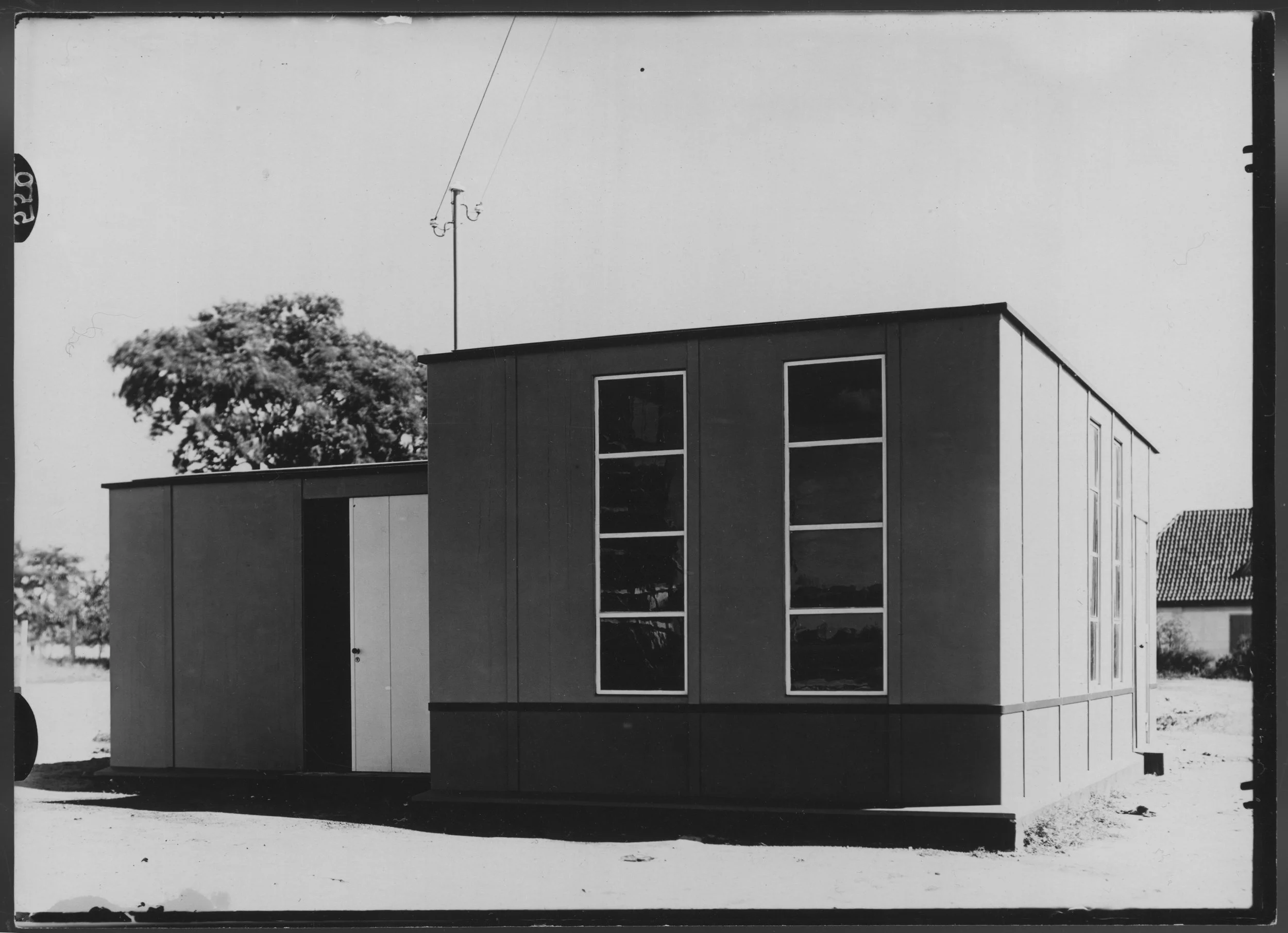
The Stahlhaus (Steel House), Torten Housing Estate Photo: Bauhaus Dessau Foundation.
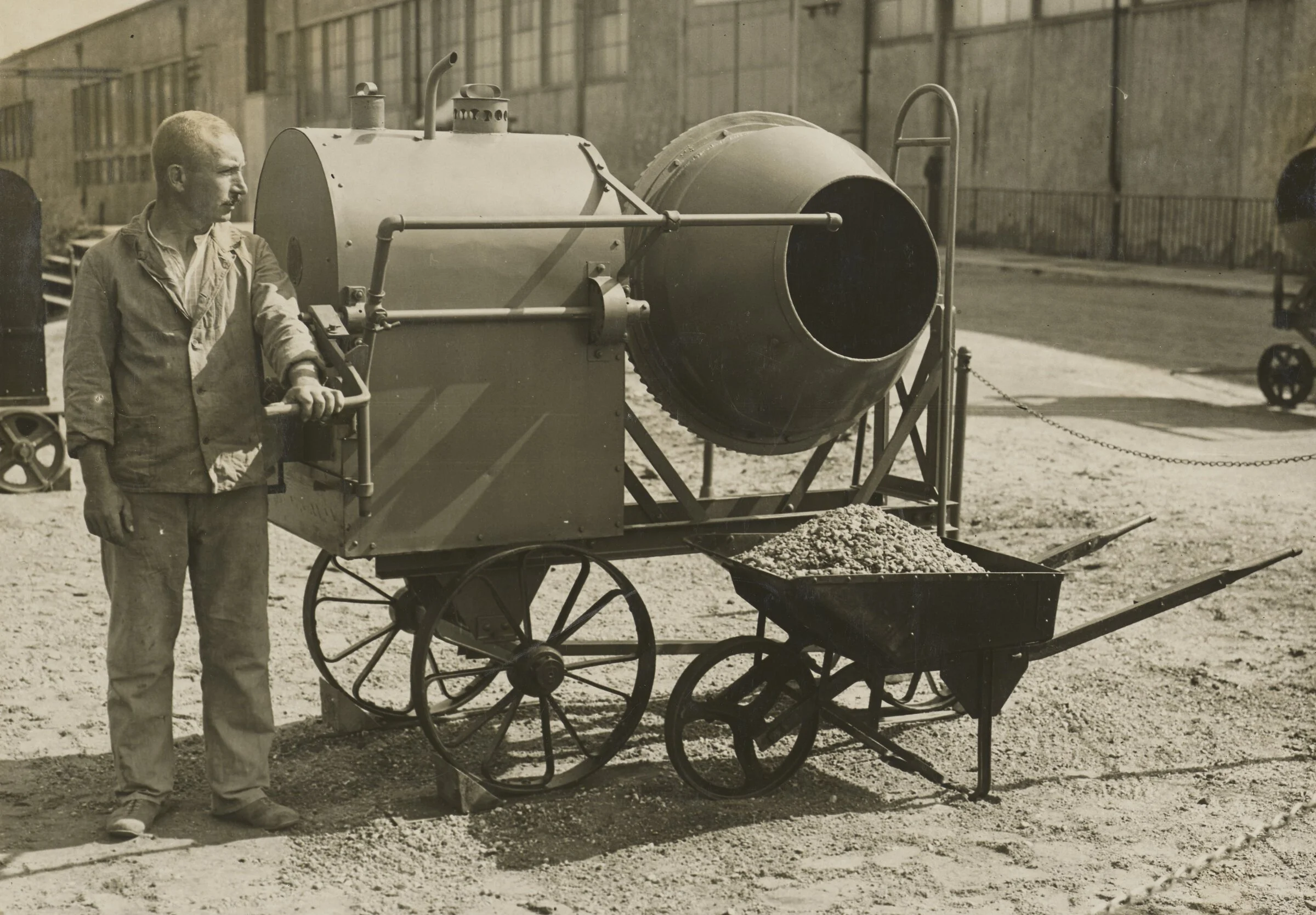
The transportable concrete mixer the Bauhaus helped design, c.1926. Photo: Bauhaus Dessau Foundation.
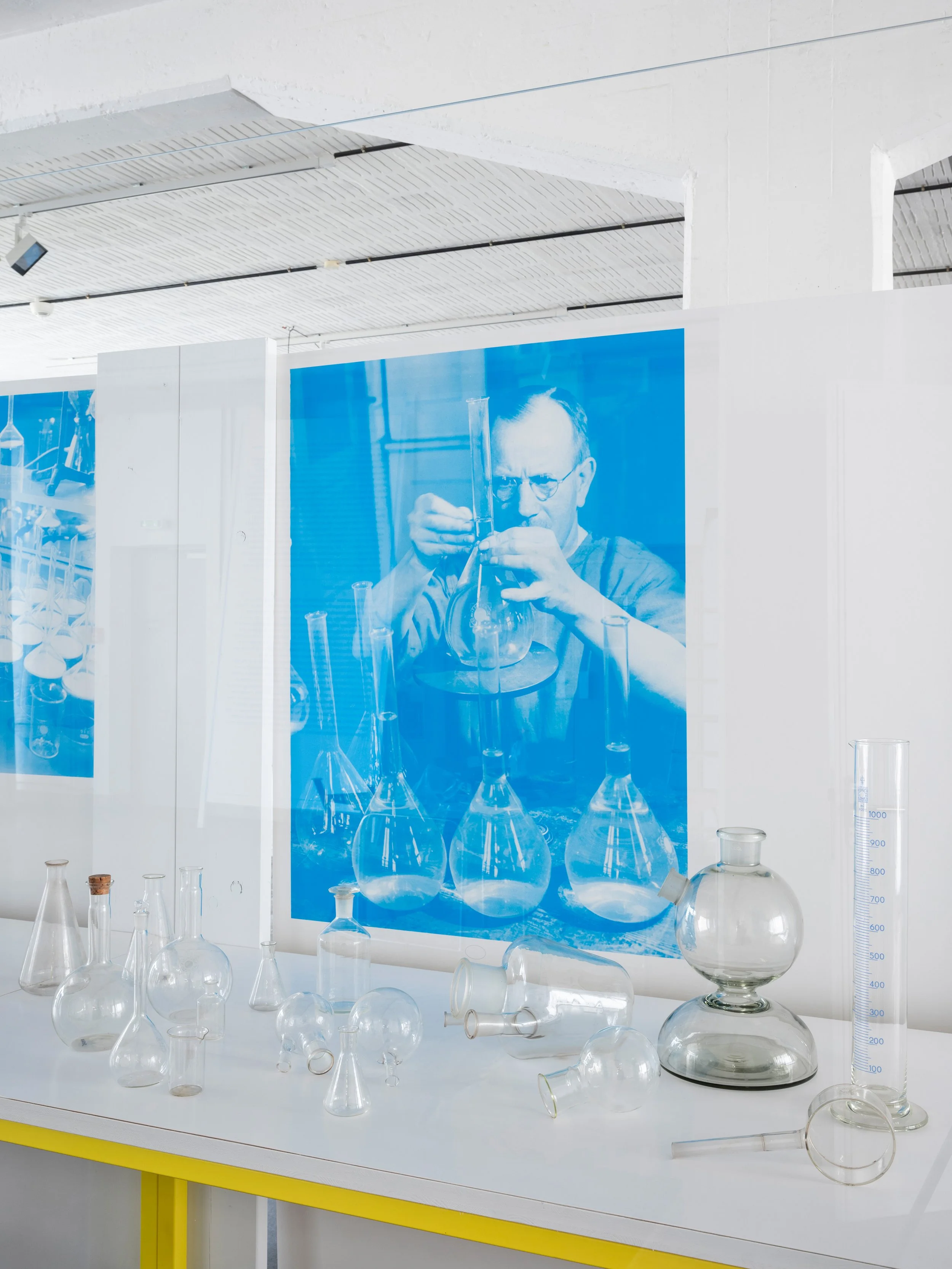
The 2026 strand pushes the same thinking forward. Alongside the historical objects sit prototypes of contemporary materials, algae cultures grown for carbon capture, demolition rubble pressed into new bricks, low-emission concrete substitutes. The materials show is not a museum of past ideas. It is a working studio in the same vocabulary.
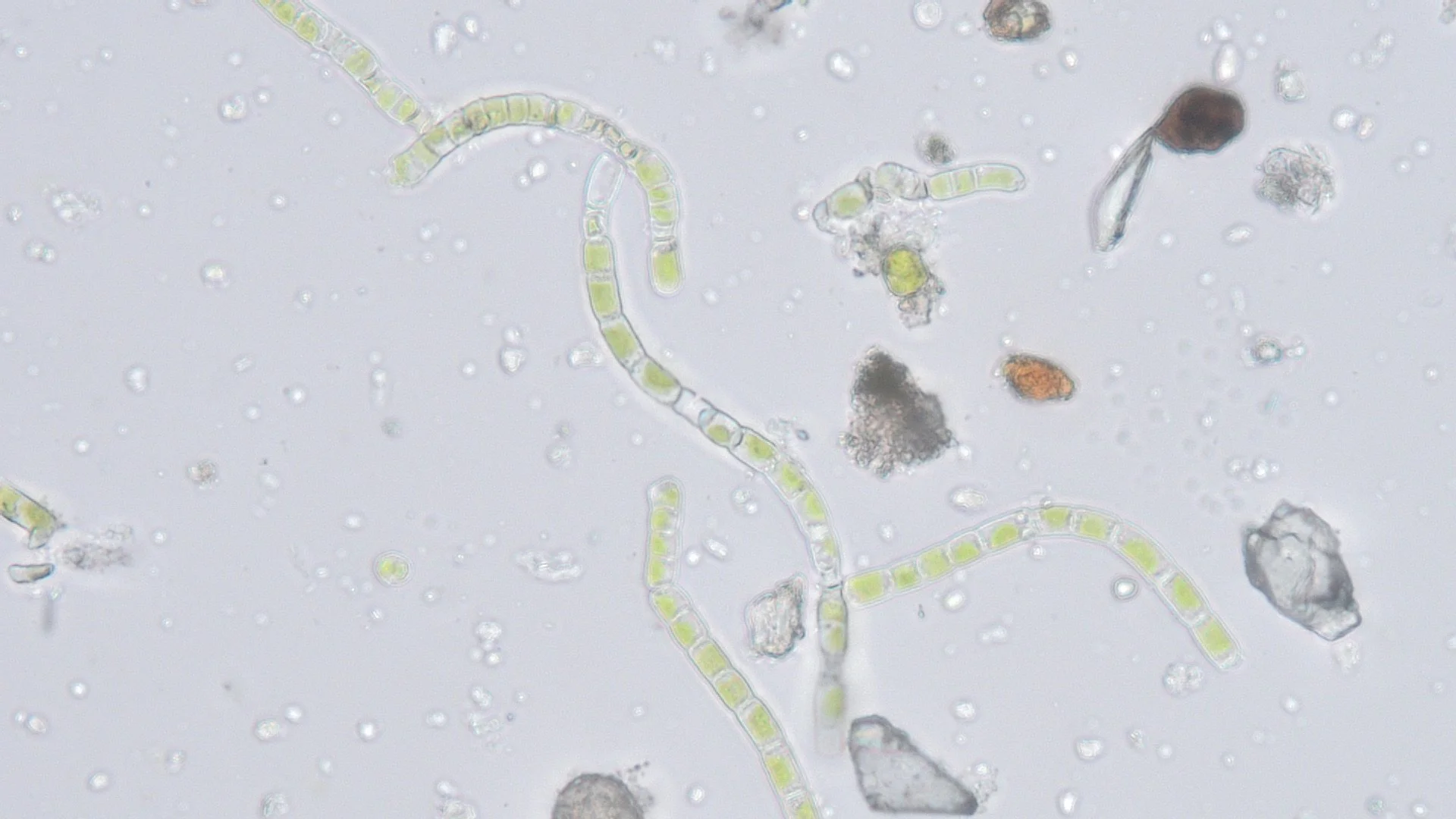
Algae cultures from the contemporary materials strand of the exhibition. Photo: Bauhaus Dessau Foundation.
What Endures
If the Bauhaus is remembered for any single line, it is Gropius's 1923 call for art and technology, a new unity. A century on, the answer is visible in almost every boutique hotel, every design studio, every stripped-back interior that leans on proportion rather than decoration. Dessau is where the template was set, and it is still worth the trip.
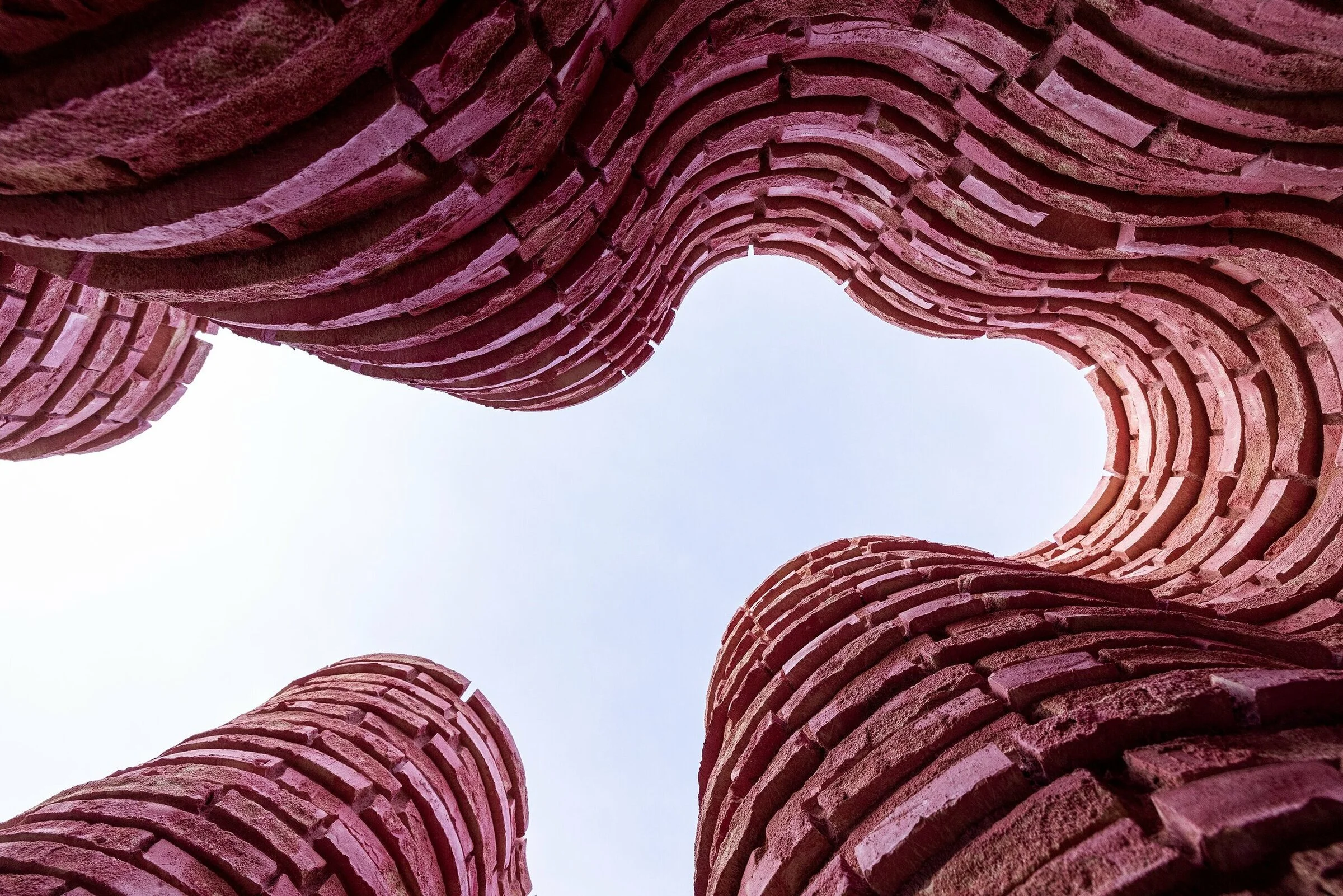
A recent Superflex commission. Photo: Bauhaus Dessau Foundation.
With thanks to the Bauhaus Dessau Foundation for hosting this visit.
Visiting Germany? Vist THE FLUXX Berlin guide here
Where: Dessau-Rosslau, Germany visit through to December 2026. Only 1h 50m by train.
Discover MORE fluxx Travel