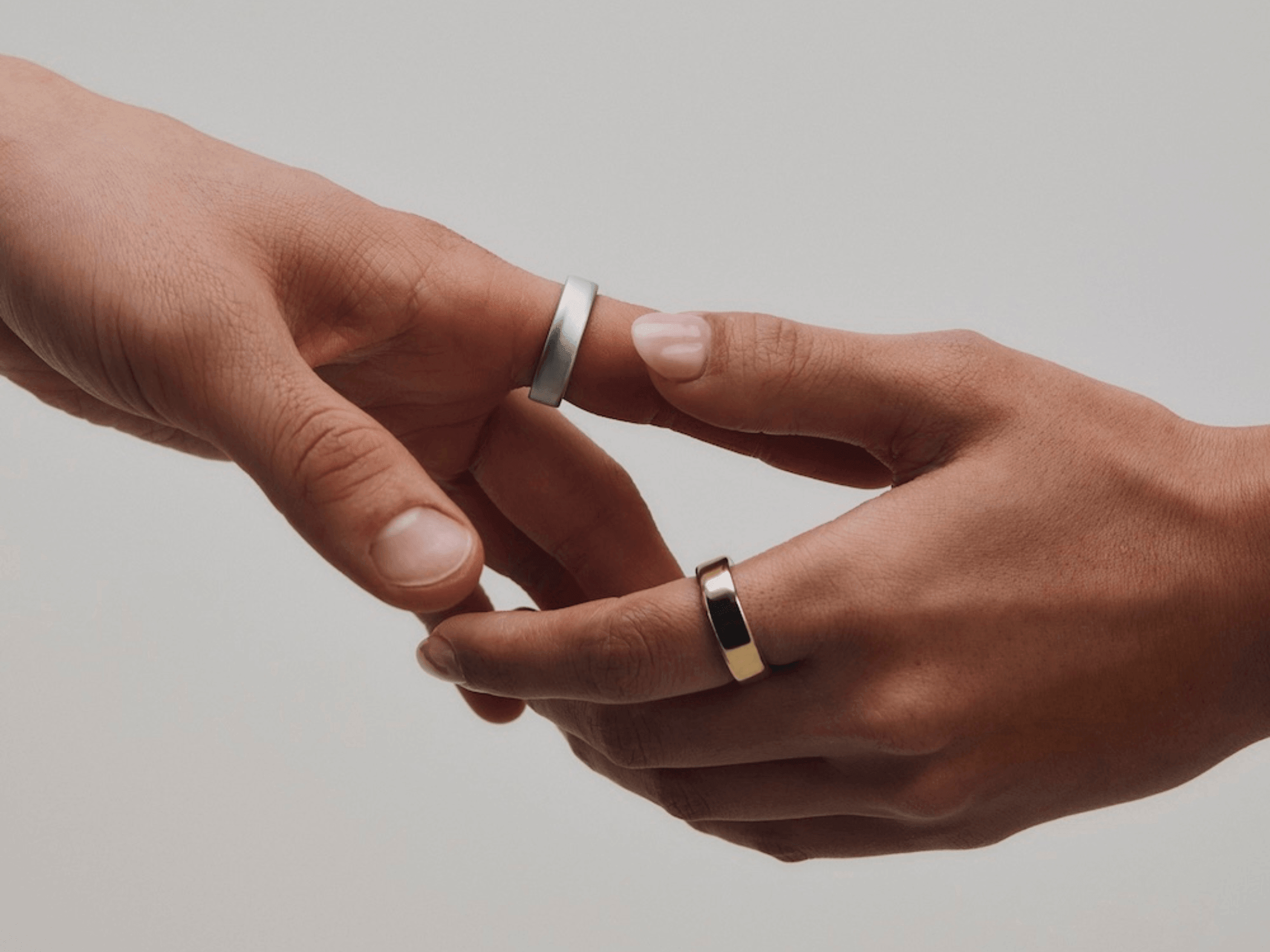
The Fluxx Guide to Luxury Smart Rings: Wellness Tech Worth Gifting This Season
The smartwatch asked you to wear a screen on your wrist. The smart ring asks nothing at all, which is exactly why it has become 2026's quiet obsession, and one of the more thoughtful gifts to give this Christmas.
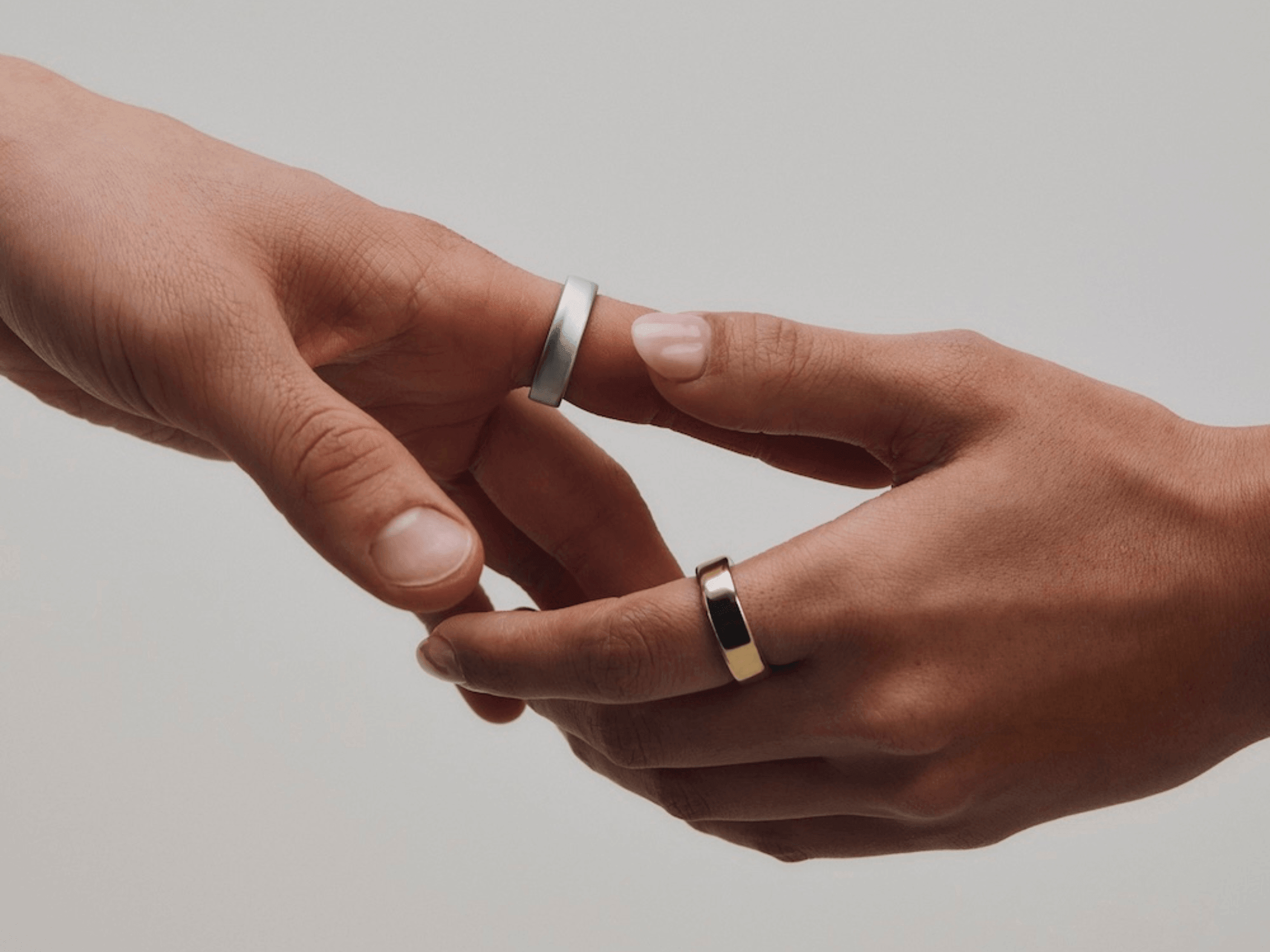
Photography, Oura Ring 5.
Wellness technology has spent a decade getting louder, more screens, more notifications, more things buzzing against your skin. The smart ring is the first genuine reversal of that trend. Slimline, screen-free and finished in the same golds, silvers and blacks as actual jewellery, it tracks more than its wrist-bound predecessors while asking for none of the visual real estate. Oura launched the category back in 2015, but it has taken almost a decade, and the arrival of Samsung and a wave of design-conscious challengers, for the smart ring to become something people now choose for how it looks as much as what it measures.
That shift matters to how we are covering it here. This is not a ranked review, more a guide to a category that has quietly become one of the most design-literate corners of wellness tech, and to what these rings are actually capable of tracking once they are on your finger.
What They Actually Track
The headline metrics are now fairly standard across the category: daily steps, heart rate, heart rate variability, blood oxygen and calories burned, alongside recovery analyses that translate into a daily readiness score. Where it gets more interesting is workout-specific tracking. A ring on your finger copes far better with a racket in your hand than a watch ever did, which makes it a genuinely useful companion for something like a session at one of the design-led London padel clubs guide we covered recently, where grip and wrist movement would otherwise interfere with a bulkier wearable. The same logic applies at the reformer, several of the design-forward pilates studios on our radar now see clients wearing rings rather than watches specifically because they don't catch on the straps.
Body temperature, stress levels and active minutes round out the picture, but it is sleep where the category has staked its reputation.
Sleep Is the Metric That Matters Most
Every ring in this category now tracks sleep in detail, hours slept, time spent in each stage from light to deep to REM, and an overall efficiency score. It is, by some distance, the data point users report changing behaviour around most. A ring worn to bed captures what a phone on the nightstand simply cannot, and the resulting readiness score has become something close to a modern mood ring, dictating everything from whether to push a workout to whether to cancel dinner plans entirely.
The broader critical reception for the category has been consistently positive on this point specifically, reviewers across the board rate sleep tracking as the feature that justifies the price, while the more common criticism is battery life and the need to stay tethered to a companion app for anything beyond the basic readiness number.
A Gift Worth Giving
There is a particular kind of gift that reads as thoughtful rather than expected, and a well-chosen smart ring has quietly become one of them. It sits in that rare category of present that looks like fine jewellery while discreetly supporting someone's sleep, training or recovery, which makes it a considered choice for a partner, a parent who has taken up padel, or anyone who has mentioned wanting to sleep better without wanting to talk about it further. Most brands, Oura included, now send a free sizing kit ahead of the ring itself, a small but useful detail for anyone buying for someone else and not entirely sure of the fit.
The Rings Worth Knowing
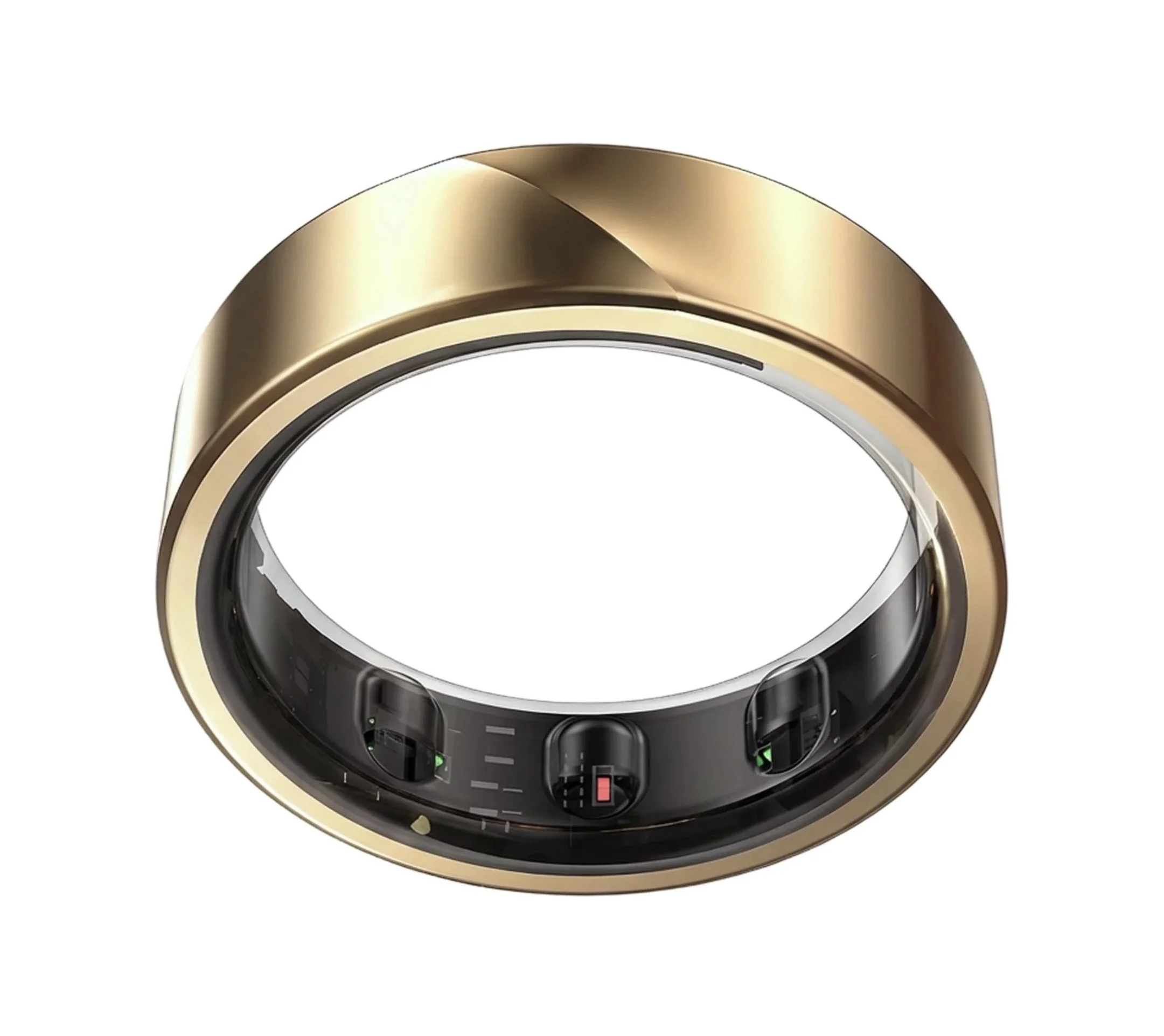
Oura Ring 5.
The smallest ring in the category, and the one that started it.
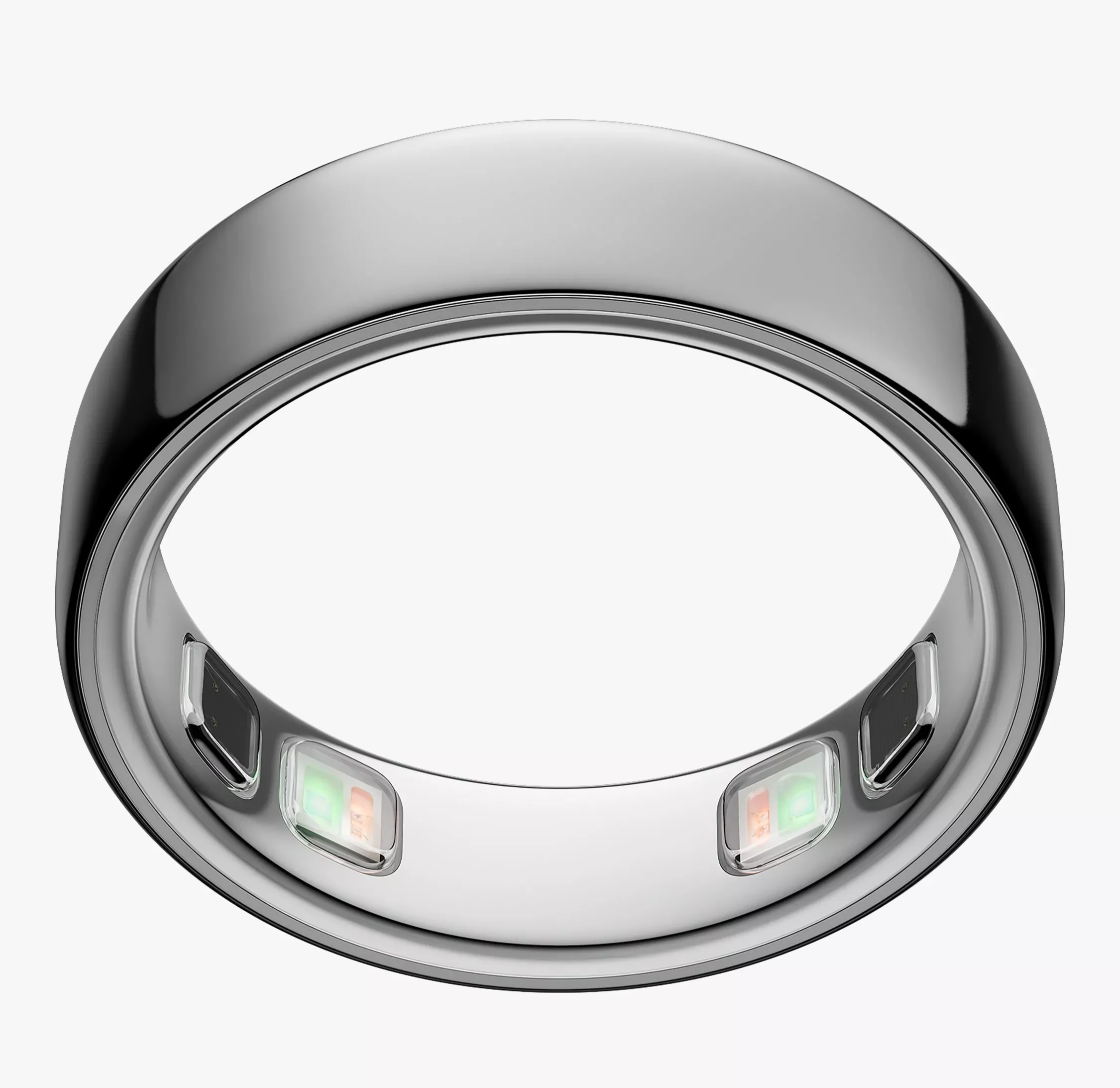
Photography, Oura Ring.
Launched in May 2026, the fifth generation tracks more than fifty health metrics across activity, sleep, heart health and stress, with up to nine days of battery life. Available in silver, black, gold and rose gold across multiple sizes, it remains the ring most likely to pass as fine jewellery rather than wearable tech.
From £399.
Samsung Galaxy Ring.
The tech giant's titanium entry, built to disappear on the hand.
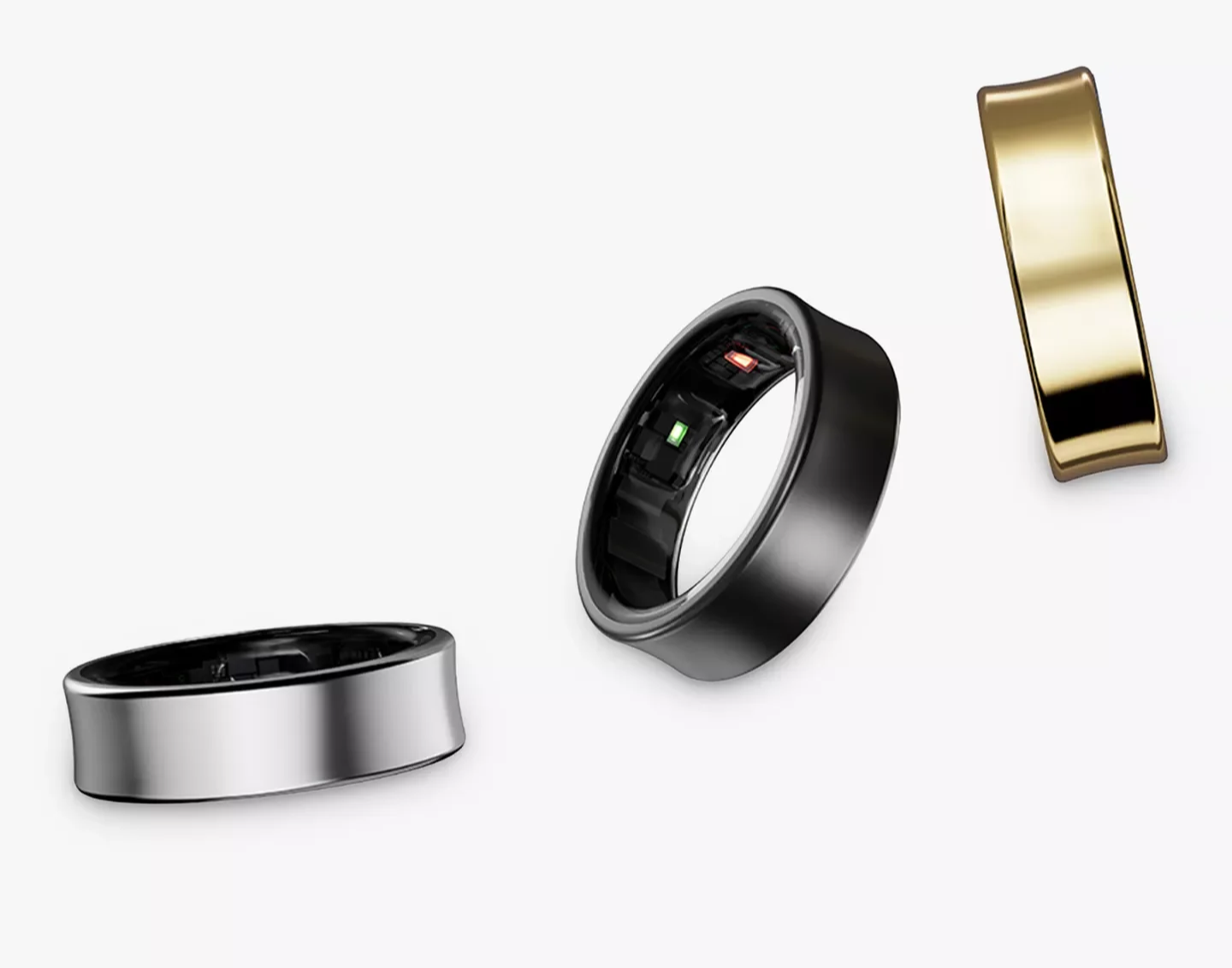
Photography, Samsung.
Built from titanium and finished in black, gold or silver, Samsung's ring leans on Galaxy AI for its health insights and lasts up to seven days before needing its charging case. Lightweight to the point of forgettable, which is precisely the point.
£399
Ultrahuman Ring Pro.
The longest battery life in the category, at up to fifteen days.
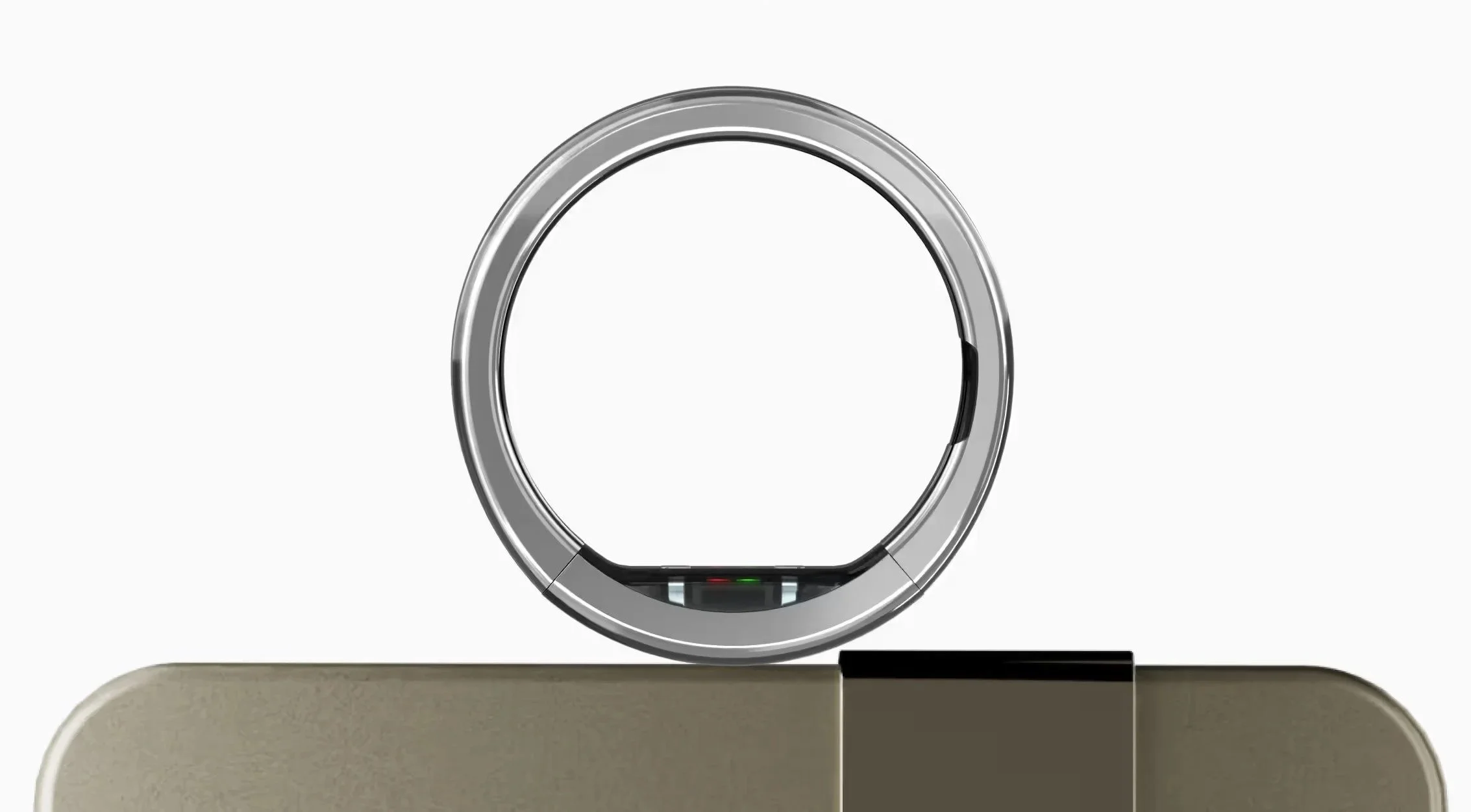
Photography, Ultrahuman.
Available in gold, silver, black and titanium finishes, the Ring Pro trades none of its sleekness for that extended battery life, offering round-the-clock tracking of performance, sleep and recovery.
£429
Gabit Smart Ring.
An AI health coach built around four pillars rather than one.
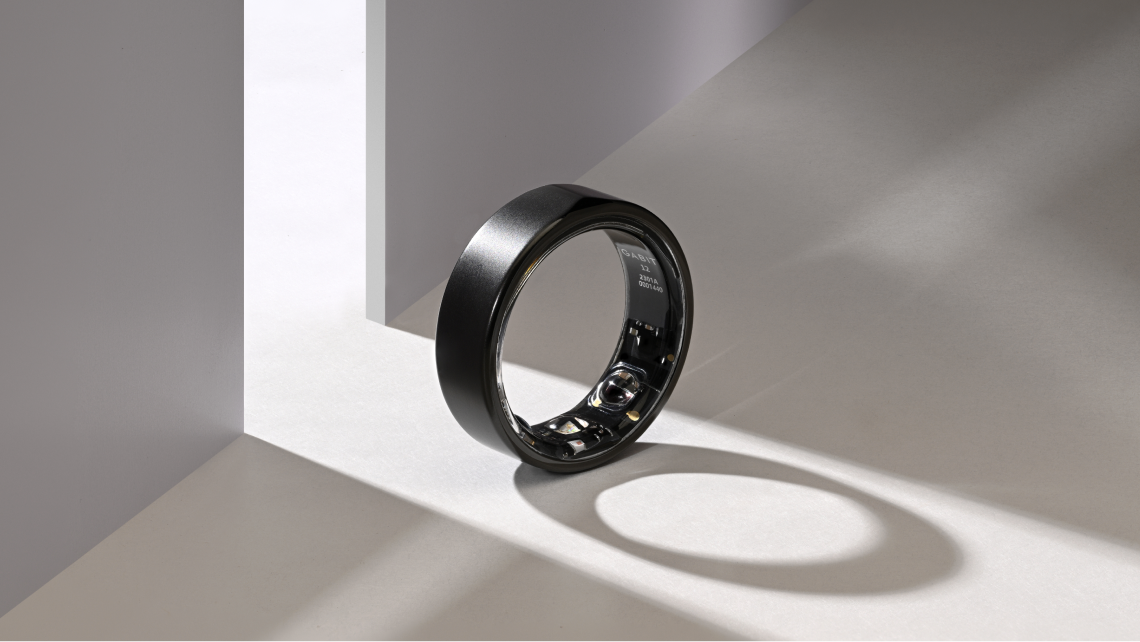
Photography, Gabit.
Gabit tracks sleep, fitness, nutrition and stress as a connected picture rather than isolated metrics, finished in graphite black, matte silver and gold. The ambition here is less a tracker than a daily coach.
£250
Leep Smart Ring.
Built specifically around sleep, at a notably lower price point.
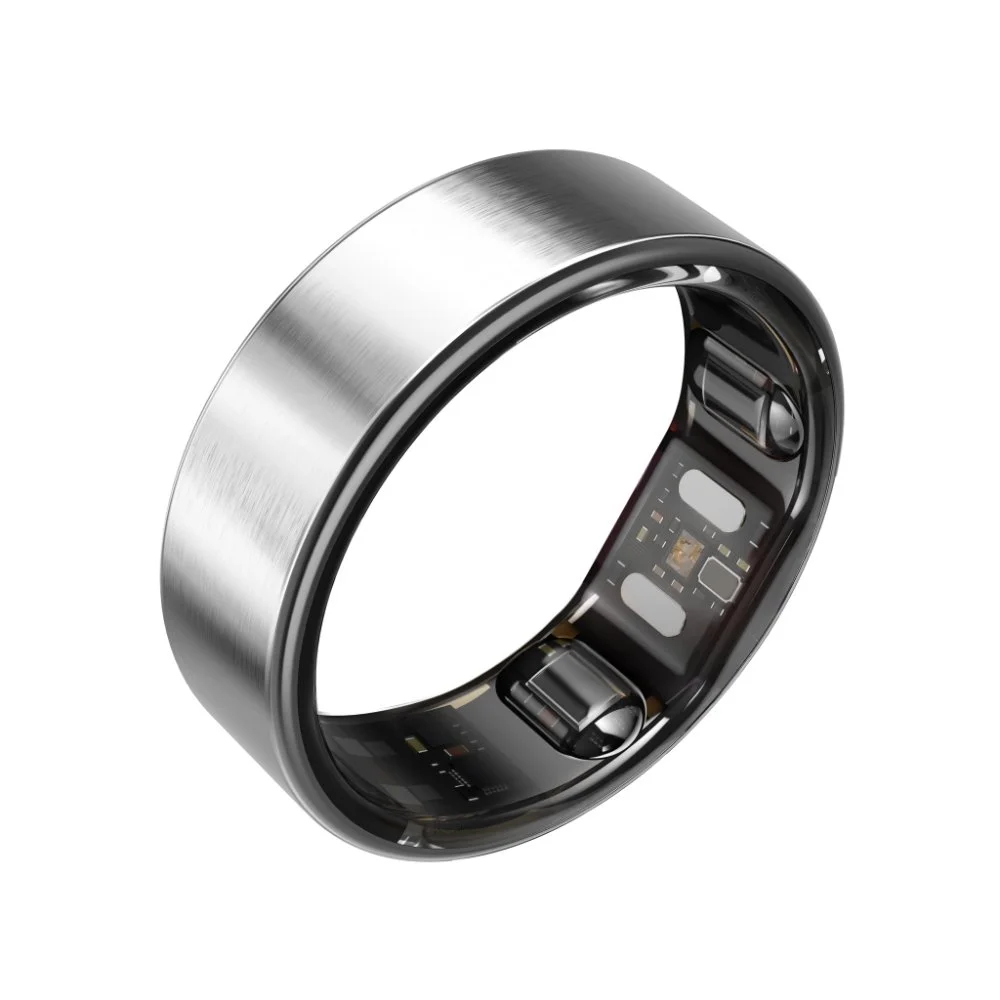
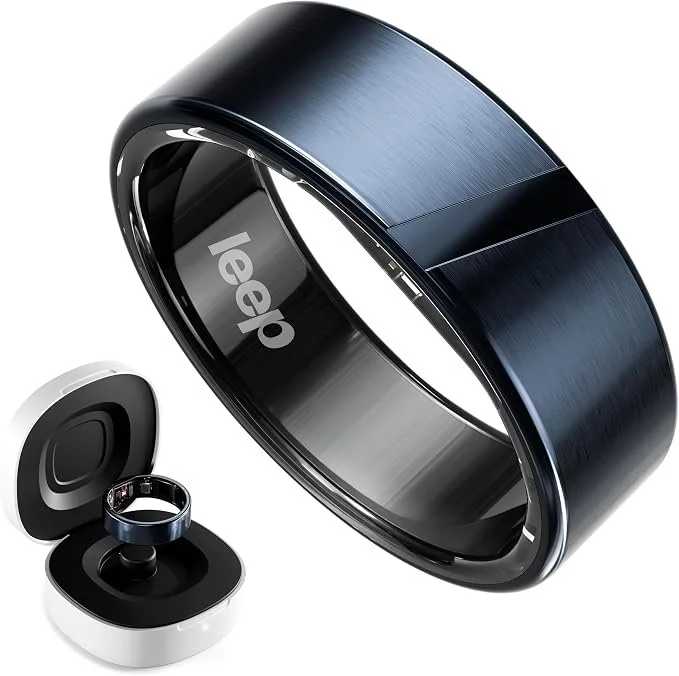
Leep narrows its focus to sleep duration, quality and pattern tracking alongside activity and heart rate, in a thin silhouette finished in starlight silver or midnight blue. A seven-day battery life and the category's most accessible pricing make it a sensible entry point. No subscription required.
£199
Luna Smart Ring Gen 2.
Athlete-tested, with workout and nutrition plans built in.
Photography, Luna.
Luna tracks movement, heart rate, sleep and stress, then layers on workout and nutrition planning for a more complete wellness picture. Available from rose gold to lunar black, it has been tested by competitive athletes including an Olympic swimmer and a Hyrox professional.
£299
THE FLUXX VERDICT
Seven rings, seven slightly different theories of what a piece of wellness jewellery should do. What unites them is the bet that the next generation of health tech succeeds by disappearing, on the hand, in the data, and eventually, in how much you think about it at all.
Frequently Asked Questions
What can a smart ring track that a smartwatch can't? Smart rings are generally more comfortable to sleep in than smartwatches, giving them an advantage for detailed overnight sleep stage tracking, and their slimmer profile makes them better suited to racket sports and grip-heavy workouts.
Which smart ring has the best battery life? The Ultrahuman Ring Pro currently offers the longest battery life in the category, at up to fifteen days per charge.
Do smart rings track sleep accurately? Reviewers consistently rate sleep tracking as the strongest feature across the smart ring category, with most rings tracking sleep stages, duration and efficiency alongside a daily readiness score.
What is the most affordable smart ring? The Leep smart ring, priced at £199 and focused primarily on sleep tracking, is currently the most affordable option among the major smart ring brands.
Can smart rings track specific workouts like padel or pilates? Yes, most smart rings track heart rate, calories and activity during specific workouts, and their compact, screen-free design makes them particularly well suited to racket sports and reformer Pilates, where a watch strap can get in the way.
*Smart rings track daily steps, heart rate, heart rate variability, blood oxygen, sleep stages and recovery readiness scores, syncing data to a companion smartphone app.
*Oura, launched in 2015, was the first major smart ring brand, with Samsung and Ultrahuman among the brands that have since entered the category.
*The Oura Ring 5, launched in May 2026, tracks more than fifty health metrics and offers up to nine days of battery life, priced from £399.
*The Ultrahuman Ring Pro offers the longest battery life in the category at up to fifteen days, priced from £429.
*Sleep tracking is widely considered the standout feature of the smart ring category, with most reviewers citing it as the primary reason to choose a ring over a smartwatch.
DISCOVER MORE FLUXX WELLNESS & BEAUTY NEWS