THE FLUXX Guide to Borough Market: The Restaurants Everyone's Booking in 2026
London's oldest food market has spent a thousand years feeding the city, and this year its restaurants are giving it a genuinely design-led reason to linger.
Borough Market's first recorded trade dates to 1014, grain, fish and cattle sold at the southern foot of London Bridge, making it a strong contender for London's oldest continuously operating food market. An Act of Parliament formally established it on its current triangular site, bounded by Stoney Street, Bedale Street and Winchester Walk, in 1756, and the cast-iron and glass halls that still frame the market today went up in the 1850s and 60s, with an Art Deco entrance added on Southwark Street in 1932 and the Royal Opera House's old Floral Hall relocated here in 2004.
For decades the market traded wholesale, then spent the 1990s reinventing itself as the artisanal destination Londoners know now. What has changed most in 2026 is what sits around its edges: a run of restaurants pairing serious cooking with equally serious design, several inside buildings with as much history as the market itself.
Seven RESTAURANT Tables Worth Building a Visit Around
The Decorated Newcomers
Camille, Stoney Street.
Intimate, French, quietly the best in London right now.

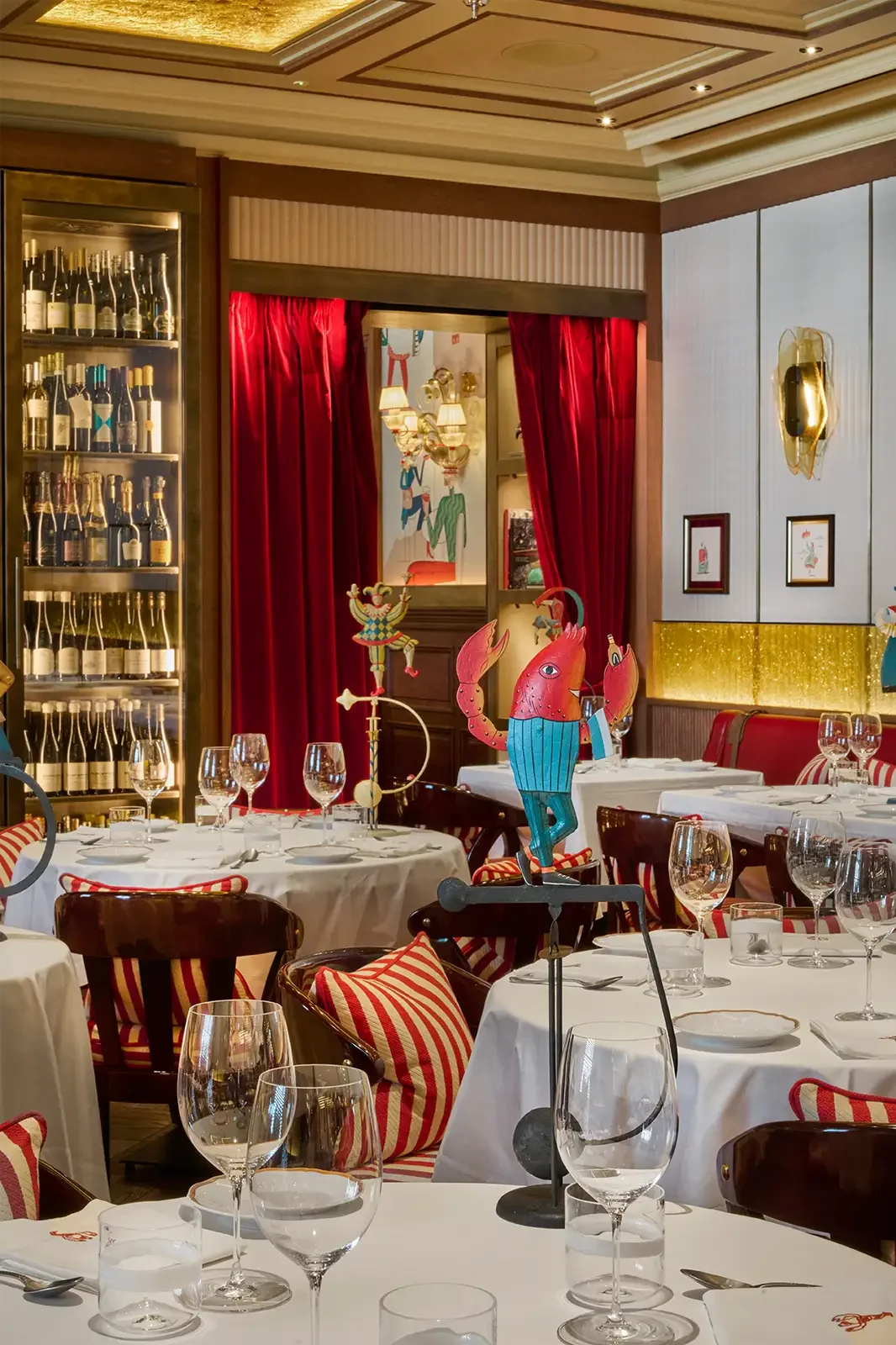
Photography,Camille.


Time Out named this small bistro London's best restaurant for 2026, and it placed twentieth in the National Restaurant Awards the same year. From Clare Lattin and Tom Hill of Ducksoup, with chef Elliot Hashtroudi cooking after training through St John and P Franco, it sits on the market's quieter edge in a dinky, cube-shaped room.
The food: regional French bistro cooking, partly inspired by Pierre Koffmann's Memories of Gascony, on a daily-changing blackboard menu built around whole-animal butchery and British produce, much of it from market suppliers. Expect devilled eggs with Devon smoked eel, crab toast, ox tongue with chanterelles, pig's head schnitzel and onglet with Café de Paris butter, alongside offal-led specials such as Normandy tripe. The wine list is low-intervention, from small French producers.
2-3 Stoney Street, Borough Market, London SE1 9AA
OMA and Agora, Bedale Street.
One restored building, two restaurants, the market's most decorated cooking.

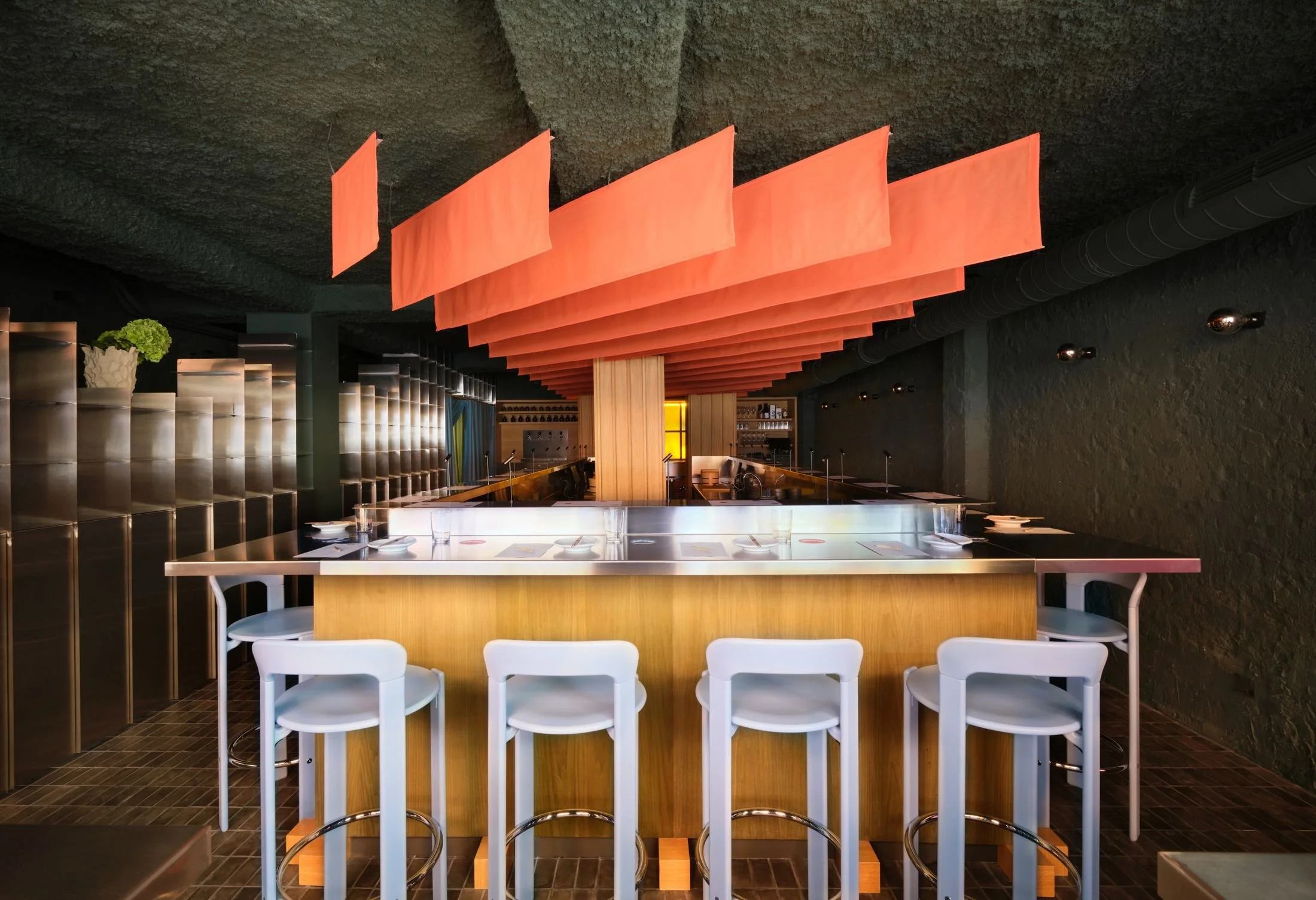
Photography,Oma & Agora.
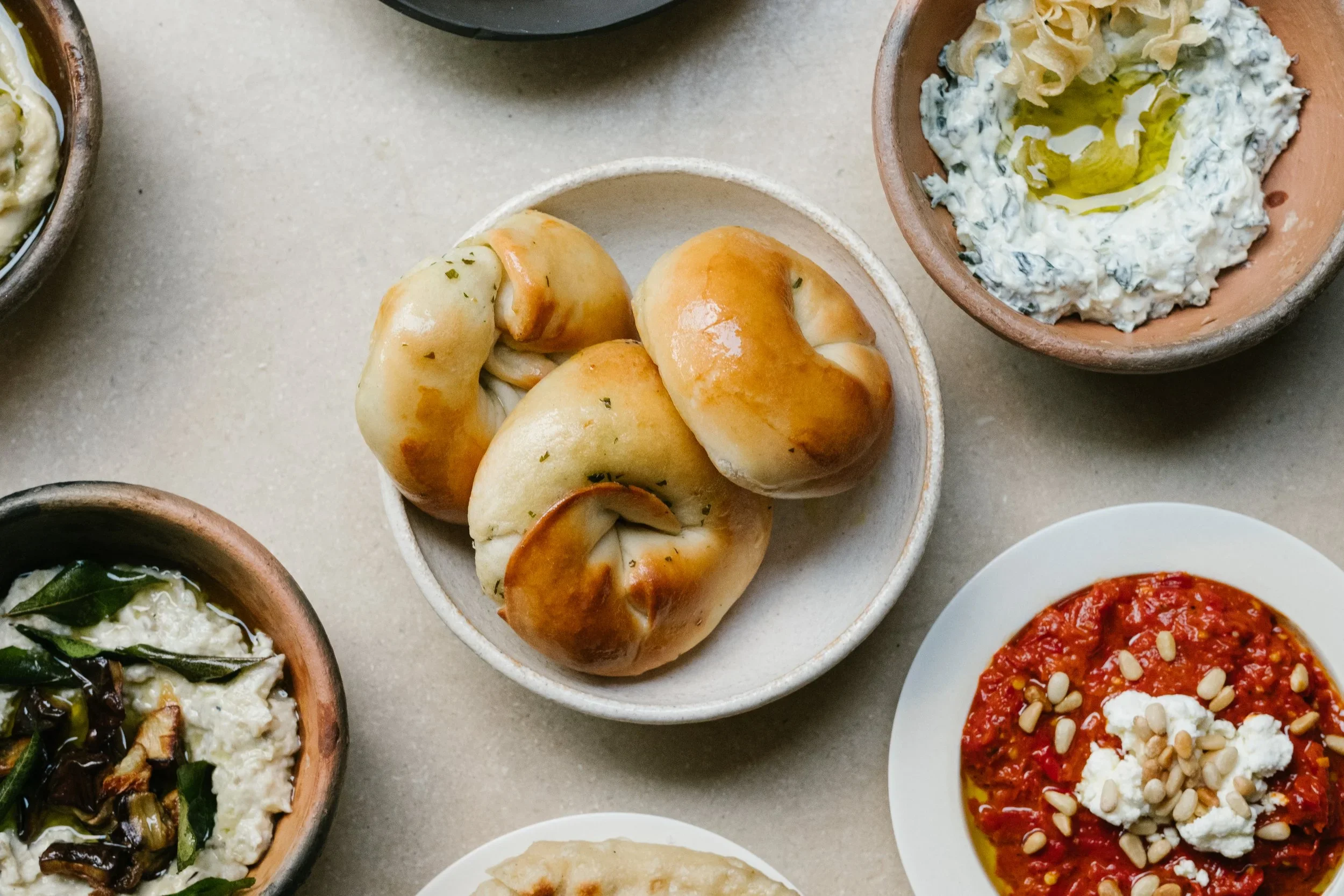
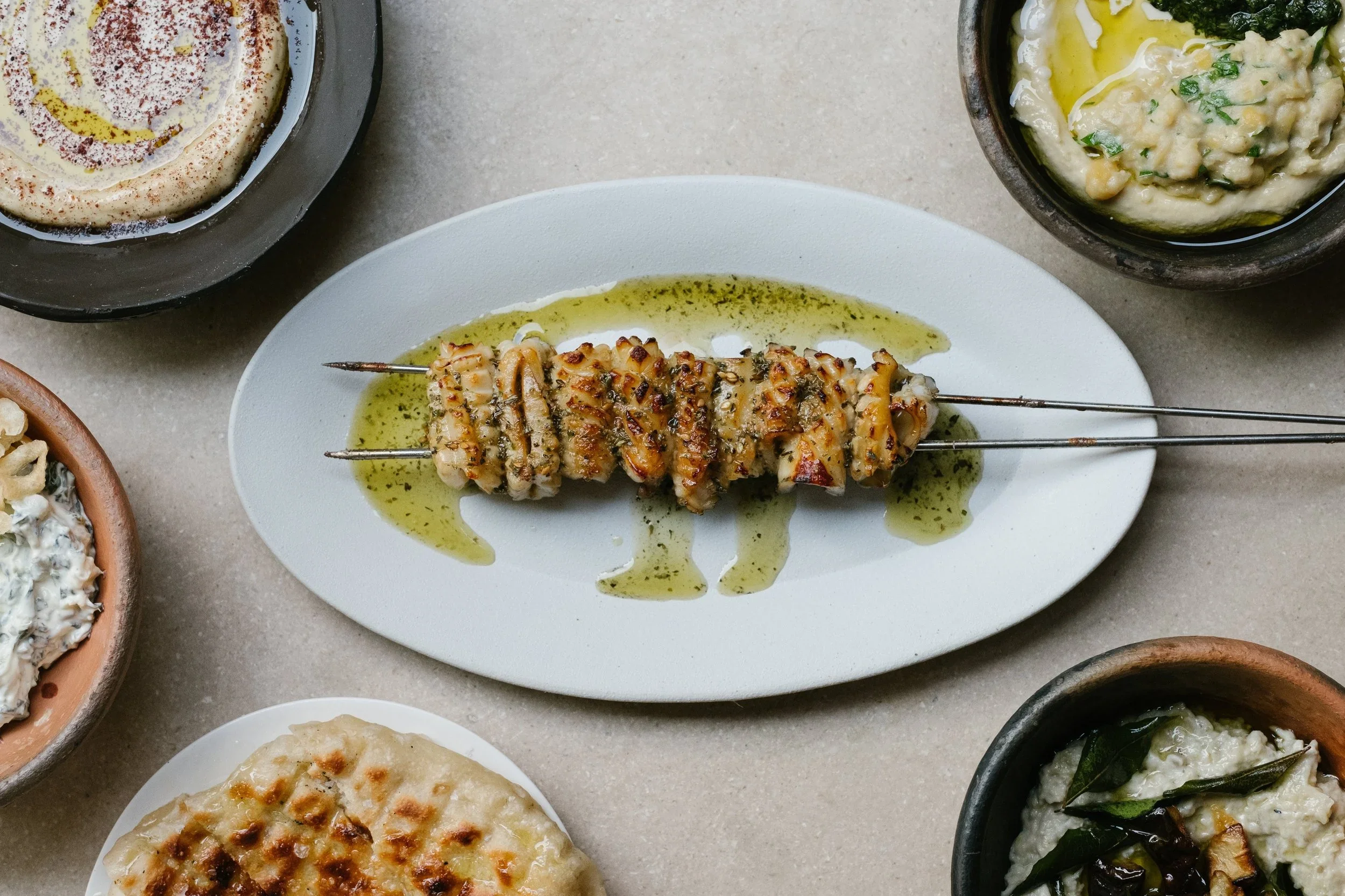
David Carter, the chef behind Smokestak and Manteca, made around fifteen trips to Greece before opening this pair. Upstairs, OMA became the first Greek restaurant in London to win a Michelin star in February 2025 and held it into 2026, built on live fire and raw fish. Downstairs, walk-in only Agora keeps things closer to a busy taverna, most dishes under £20.
The food: modern Greek cooking drawn from the islands and coasts, with Levantine and Yemeni accents (zhoug, XO sauce, tsalafouti) and plenty of live fire. At OMA, order Wildfarmed laffa with salt cod XO and labneh, gilthead bream aguachile, hand-dived scallop with XO chilli butter and oxtail giouvetsi with bone marrow, with new-season asparagus and gariguette strawberries on the spring menus. Agora is a souvlaki bar, with pork souvlaki, wood-oven flatbreads, rotisserie meats and a carob-rusk salata.
2-4 Bedale Street, Borough Market, London SE1 9AL
Akara, Stoney Street.
West African, under a railway arch, the newest name to be recognised.

Photography, Akara.
![Akara interior CHARLIEMCKAY_ (from website)[xya-1360x680].jpeg](https://images.squarespace-cdn.com/content/v1/671784f3dc5ab92560a87cdb/1791061777097-QZFY59G2YS4DIRW9Q9ZG/Akara+interior+CHARLIEMCKAY_+%28from+website%29%5Bxya-1360x680%5D.jpeg)

From Aji Akokomi of Akoko, Akara took a Bib Gourmand in the 2026 Michelin Guide, the only new one awarded in the area. Named for the black-eyed pea fritter at its centre, it sets West African cooking inside a Victorian railway arch, pairing the market's industrial bones with a menu rarely seen this close to London Bridge.
The food: modern West African cooking with a Brazilian thread, following the akara fritter from Nigeria to Brazil, where it became acarajé. Fillings include carabinero prawns with vatapá, hand-dived scallop, ox cheek and chanterelle pâté, while the grill brings Lagos chicken, dibi lamb, labu-aged beef and Efik rice. Finish with bofrot, the Ghanaian doughnut, or caramelised onion and honey ice cream, with a Smoked Plantain Caipirinha or Cacao and Dates Negroni to drink.
Arch 208, 18 Stoney Street, London SE1 9AD
The Design-Led Additions
Kismet, above The Globe Tavern.
A residency turned permanent, Istanbul by way of Bedale Street.
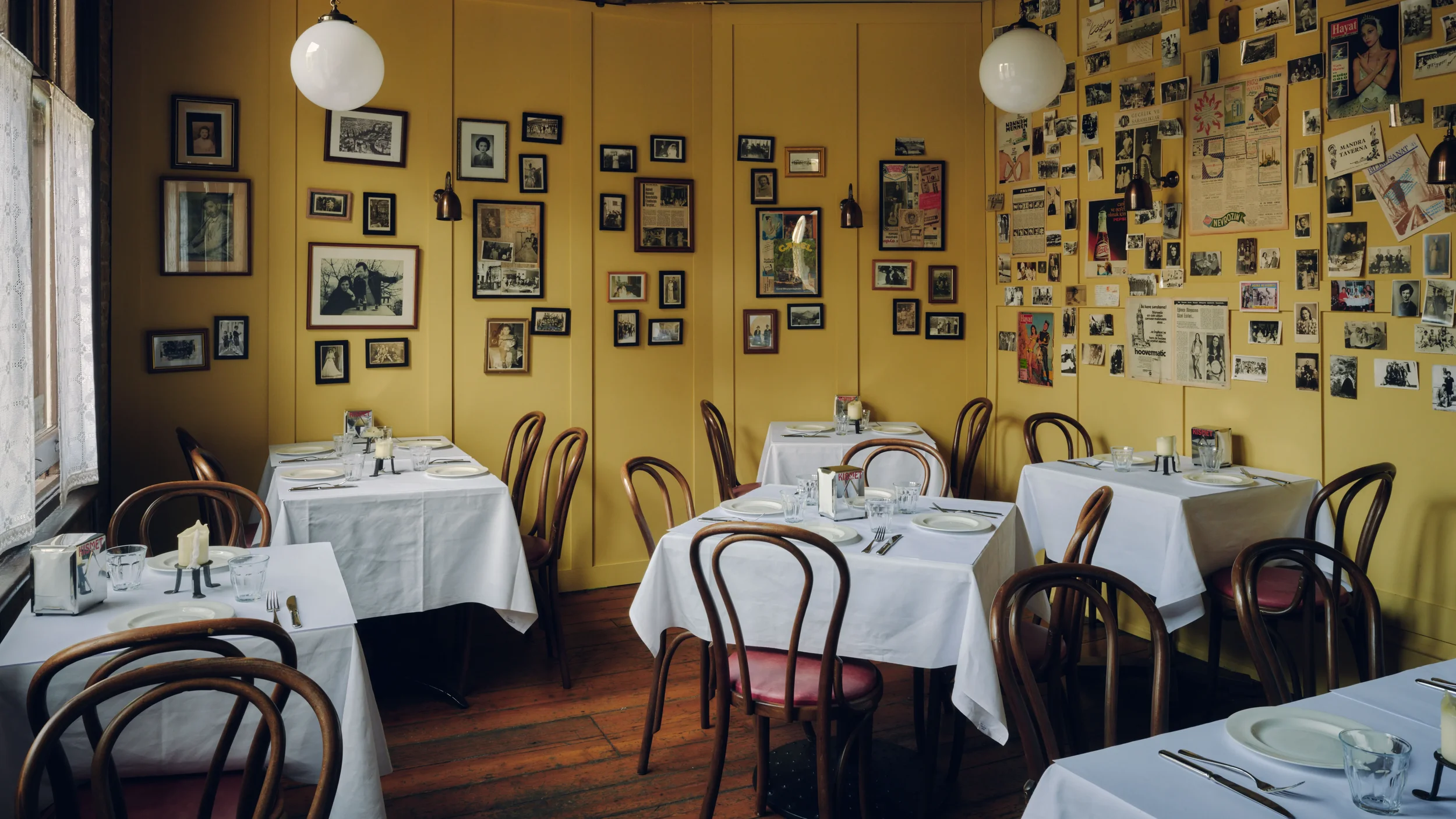
Photography, Jasper Fry.
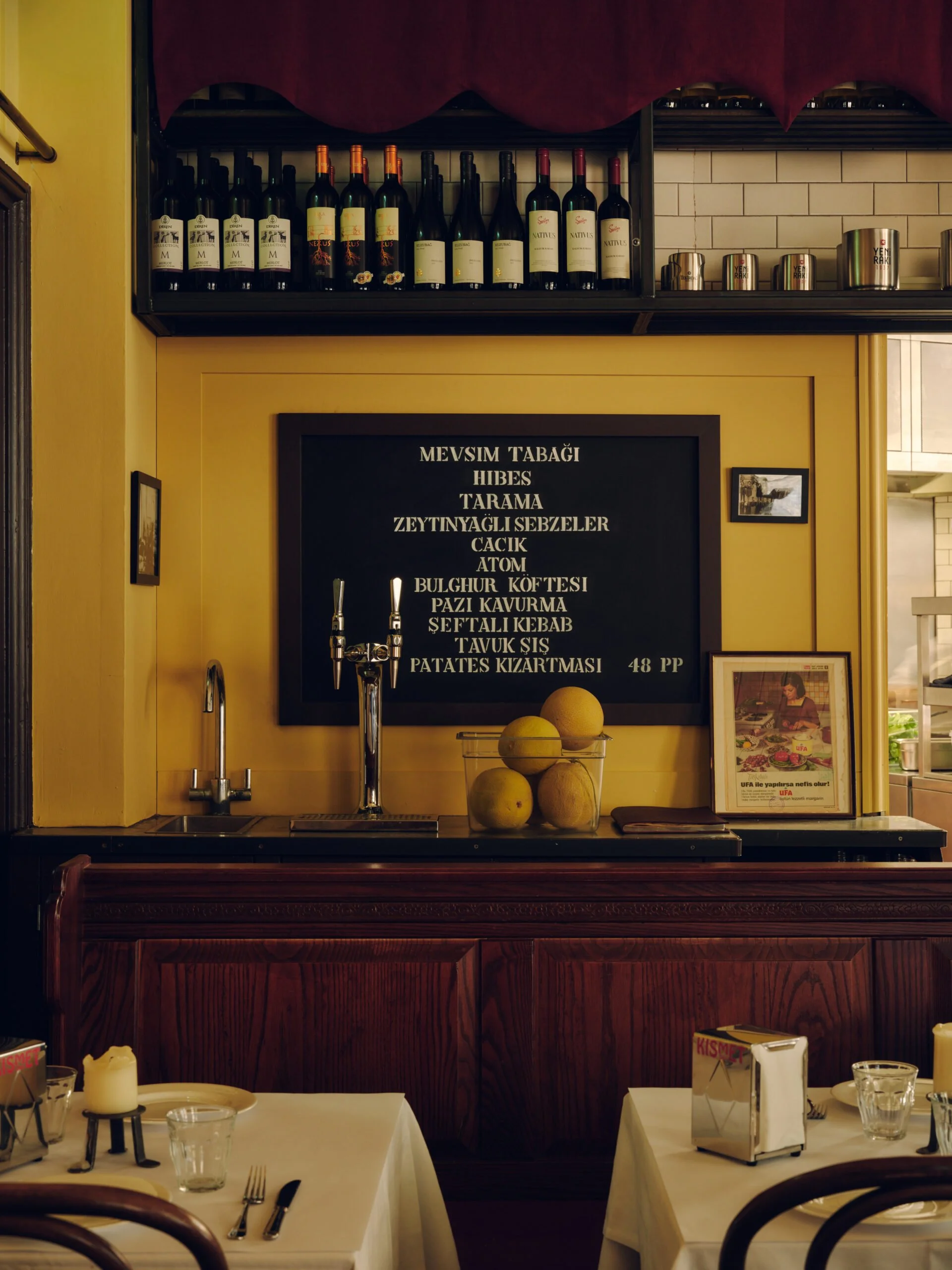
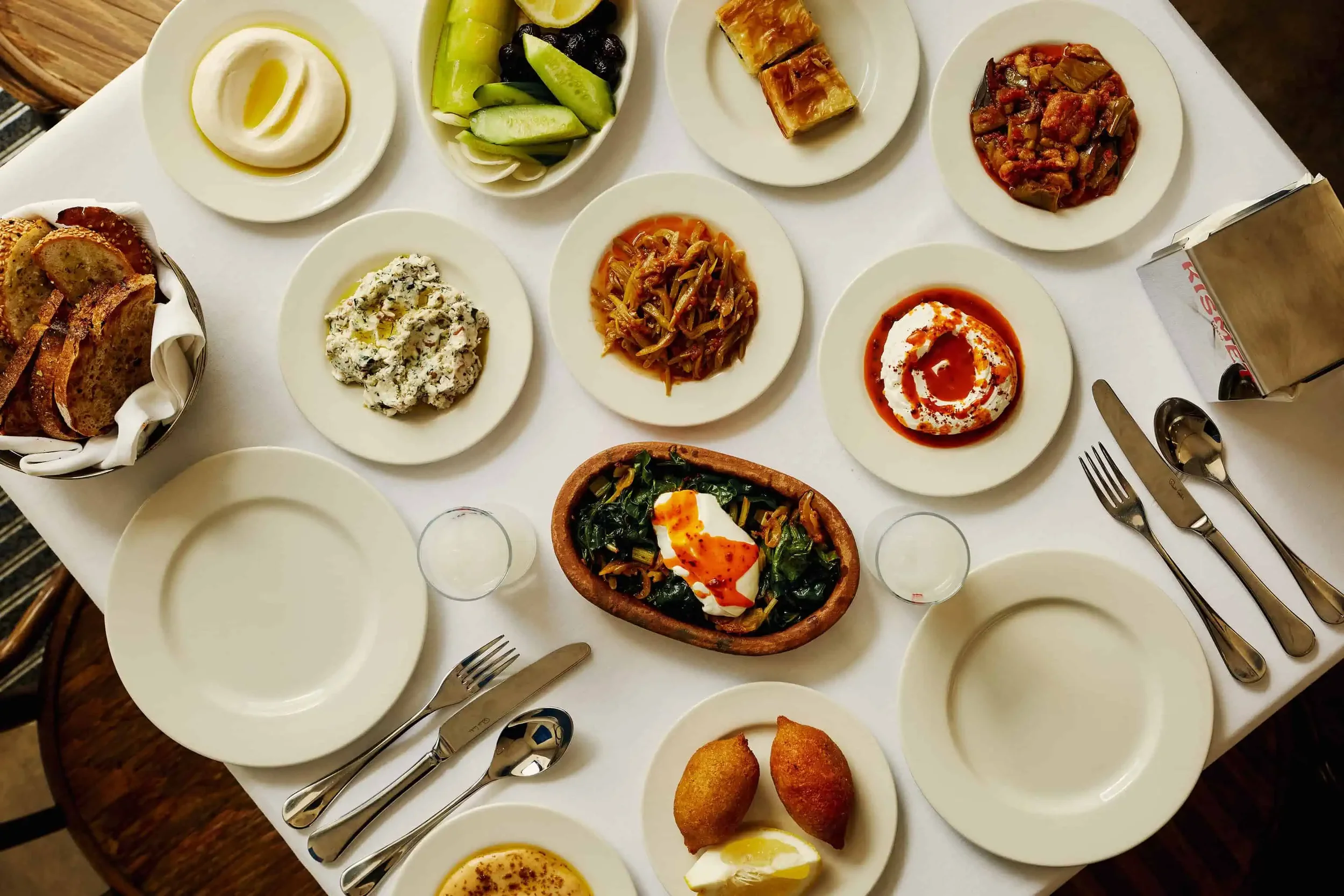
A meyhane, the Istanbul and Northern Cypriot take on a tavern, Kismet took over the upper floor of a Borough pub after two well-loved residencies, Khao Bird and Barang, and simply never left. Dishes arrive in waves rather than courses, and the room, all worn wood and low light above a working pub, does most of the atmospheric work.
The food: Turkish and Turkish Cypriot meze and mangal-grilled kebabs, served à la carte or as a £48 set menu that opens with a platter of seasonal fruit and vegetables such as melon and plums. Look for atom (buffalo-milk yoghurt with chilli butter), stuffed bulgur köftesi, fried lamb's liver, kuzu şiş cooked with lamb tail fat and şeftali kebabı, the Cypriot lamb and beef kebab wrapped in caul fat. Raki leads the drinks, and baklava arrives tableside on a silver tray.
8 Bedale Street, London SE1 9AL
Rambutan, Stoney Street.
Sri Lankan, post-colonial in the best sense, right on the market's busiest strip.
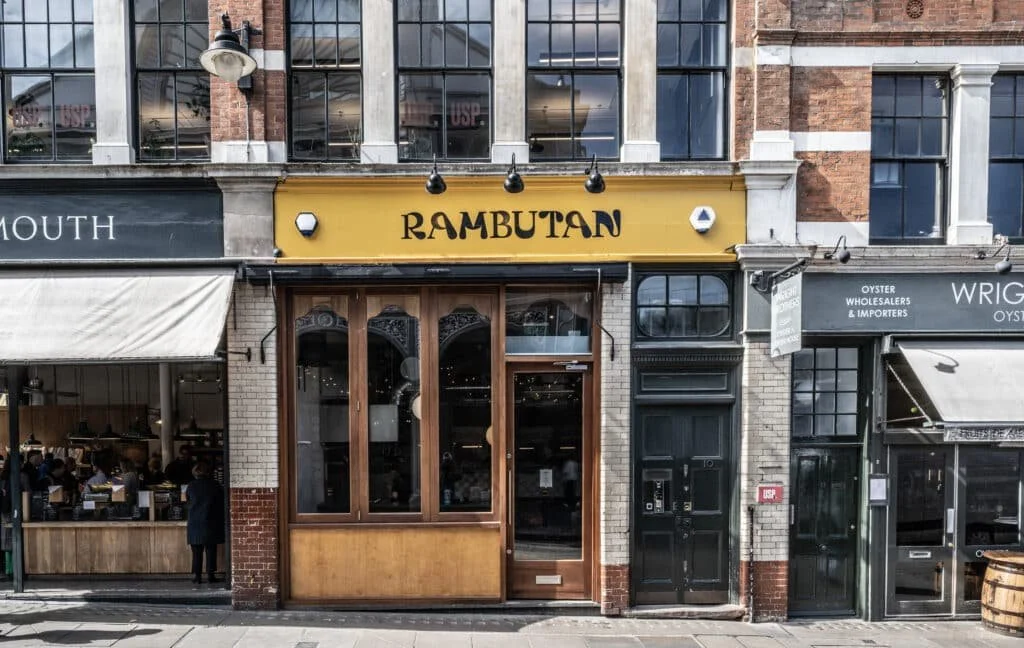
Photography,Rambutan.
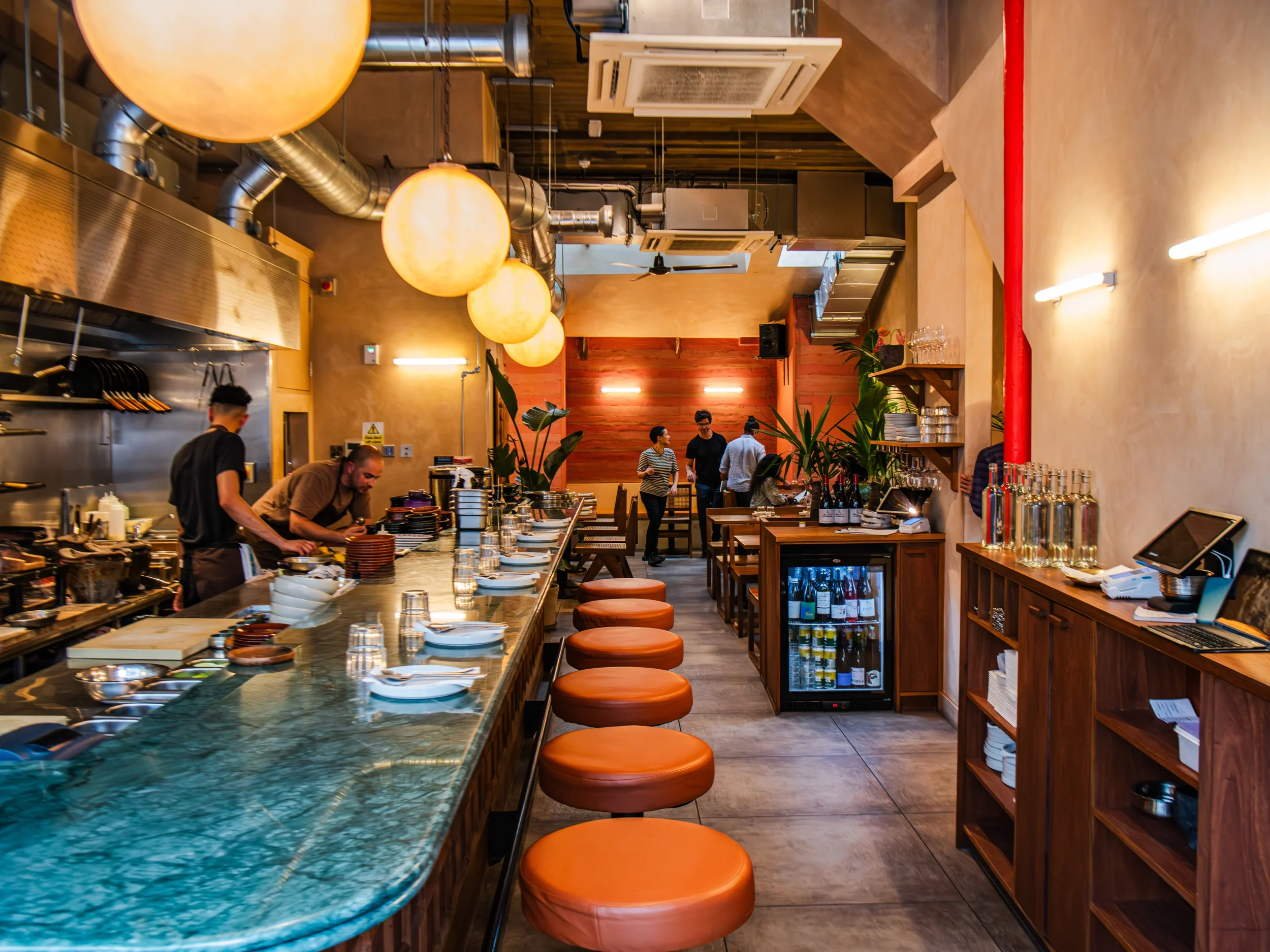
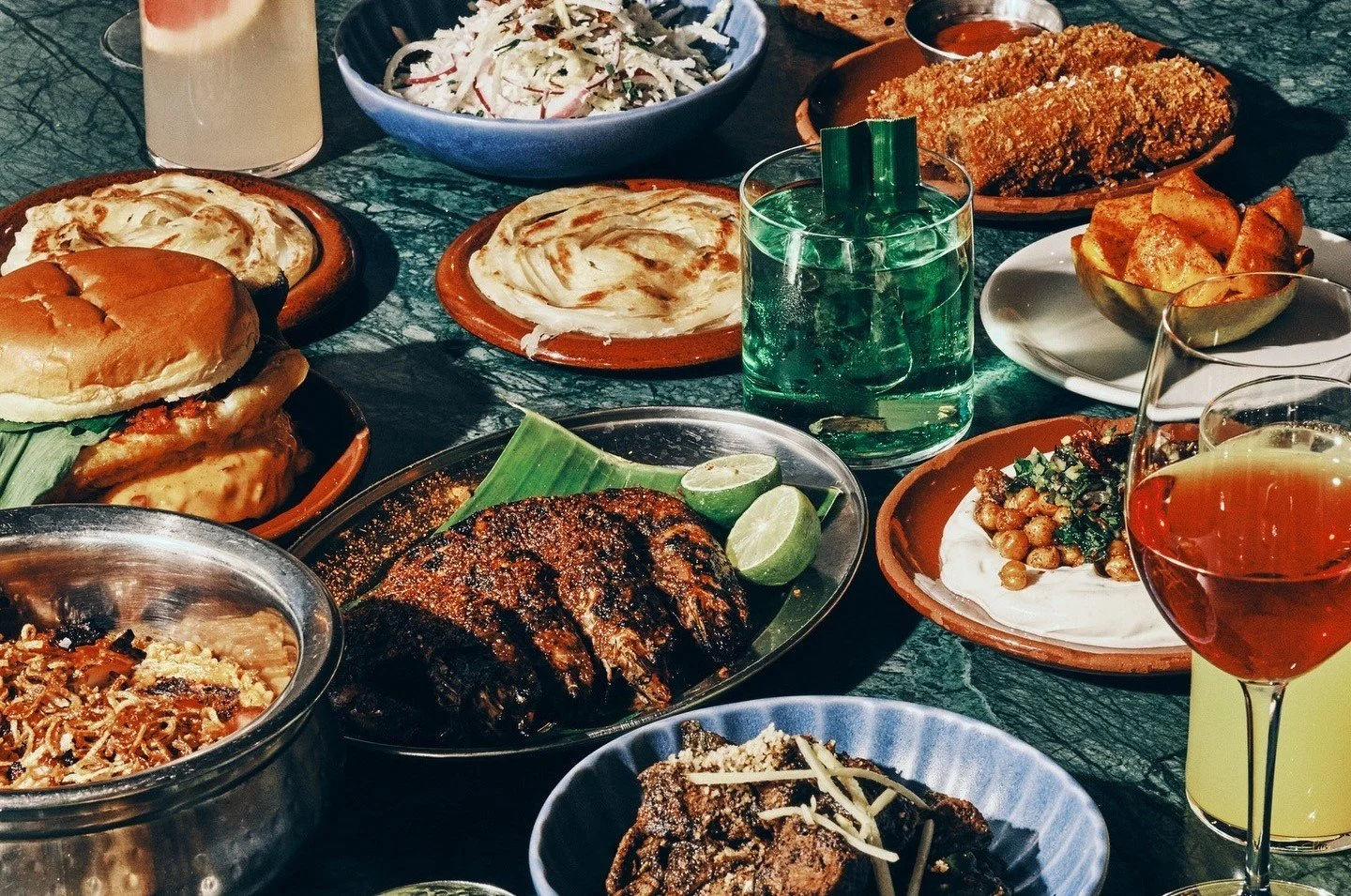
Cynthia Shanmugalingam's debut restaurant made her the first Sri Lankan Tamil woman to open a restaurant in central London, and the design matches the ambition: pink clay walls, concrete floors and hand-painted tiles built around the mid-century post-colonial style of Sri Lankan architect Minnette de Silva, with furniture commissioned from Sri Lankan carpenters and weavers. Sixty covers over two floors, and a scarcely-lit downstairs bar pouring spirits once banned under colonial rule.
The food: northern Sri Lankan, Jaffna Tamil cooking from an open fire, on a daily-changing menu that is more than half vegetable-led. Order the crab curry with savoy cabbage kottu roti, saffron chicken pongal rice (adapted from her grandmother's recipe, with the rice cooked in coconut milk), gundu dosas with sambols, and curries from black pork to red pineapple. Produce comes from market suppliers including Furness Fish and Ted's Veg, with heritage rice imported from Sri Lanka.
10 Stoney Street, Borough Market, London SE1 9AD
Oudh 1722, Union Street.
Two Michelin stars' worth of pedigree, inside a listed Victorian building.

Photography, Oudh.
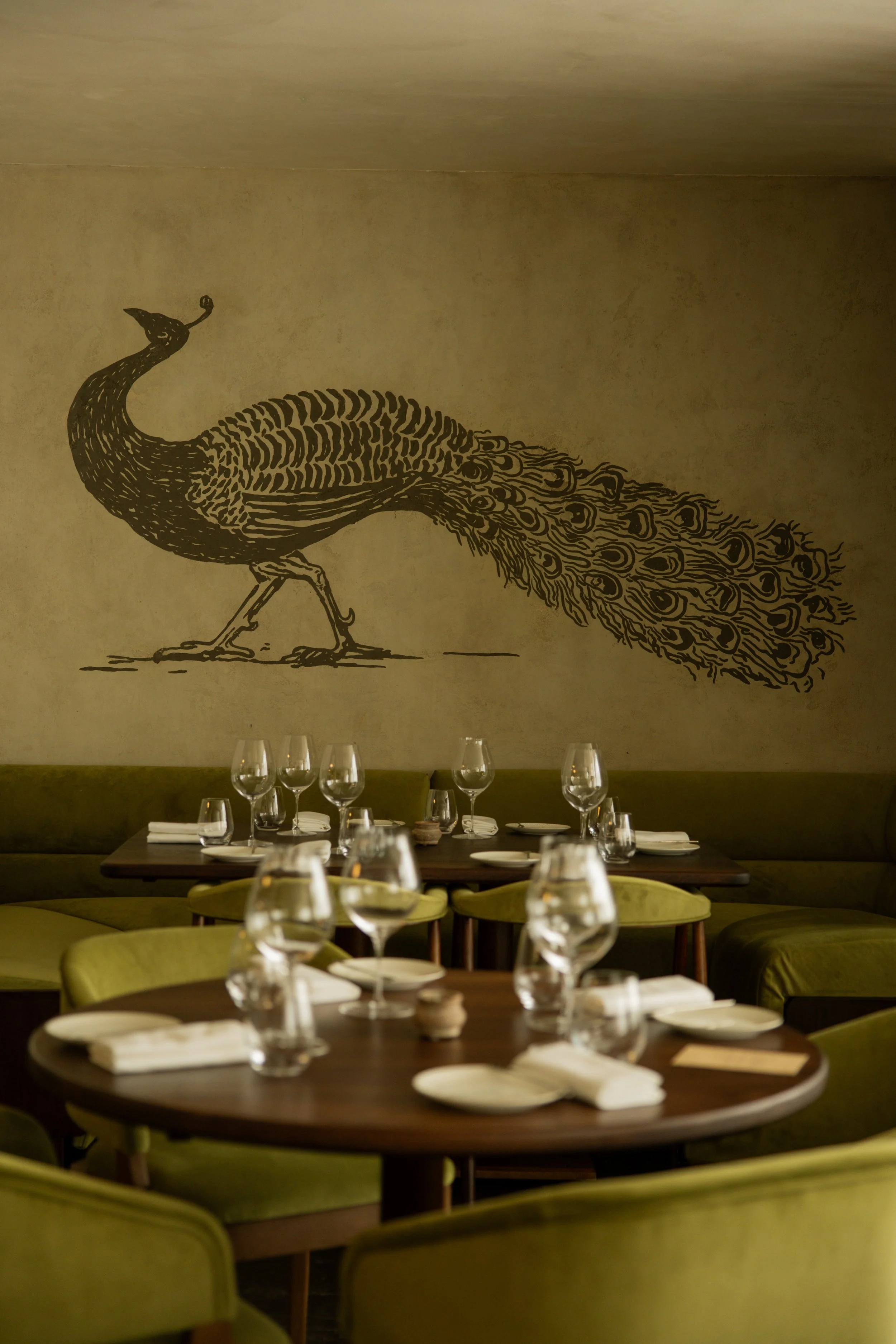
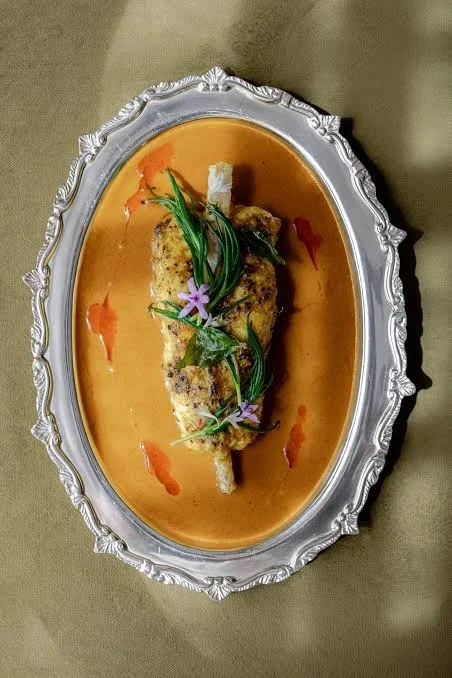
Aktar Islam, the Birmingham chef whose Opheem became the first Indian restaurant in the UK to hold two Michelin stars, brought his London debut to a three-storey listed Victorian building a short walk from the market. Named for the Awadhi region of northern India, it trades the market's food-stall energy for something considerably more formal.
The food: Awadhi cooking from the royal Nawabi kitchens of Lucknow, from shorba and kebabs to dum dishes slow-cooked under a sealed lid. Order the lamb gilawat kebab, mutanjan dum biryani of oxtail and aged basmati, and machhli qaliya, an Awadhi monkfish curry, with a seasonal mushroom kebab in romali roti and morel shorba in spring. Desserts include awadhi nimish, an aerated saffron soft serve, and shahi tukda. Everything is halal.
66 Union Street, Borough, London SE1 1TD
The Cult Classic (there’s no way we were going to leave this one out)
Padella, Southwark Street.
No bookings, no signage to speak of, still the coolest queue in the market.
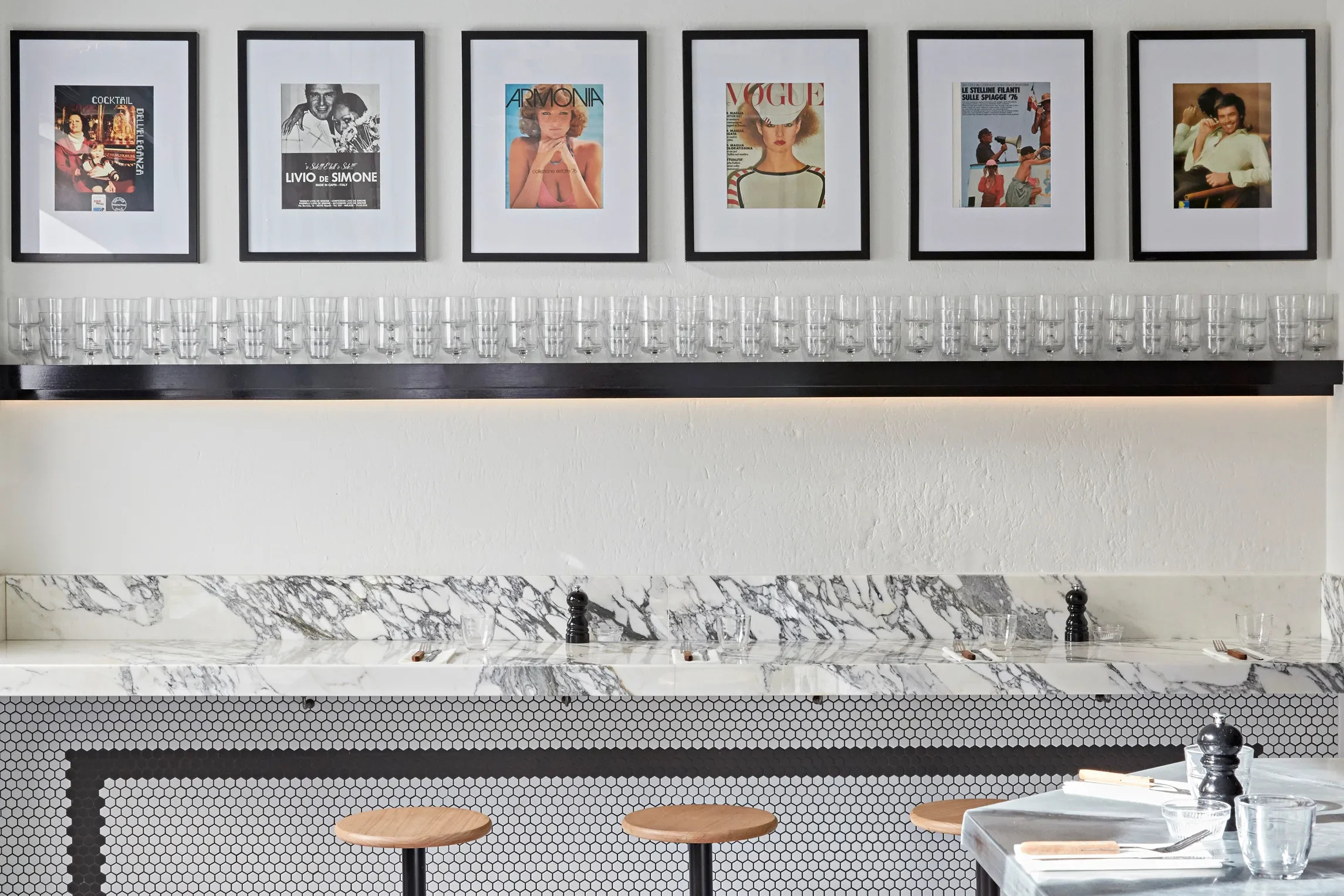
Photography, Padella.
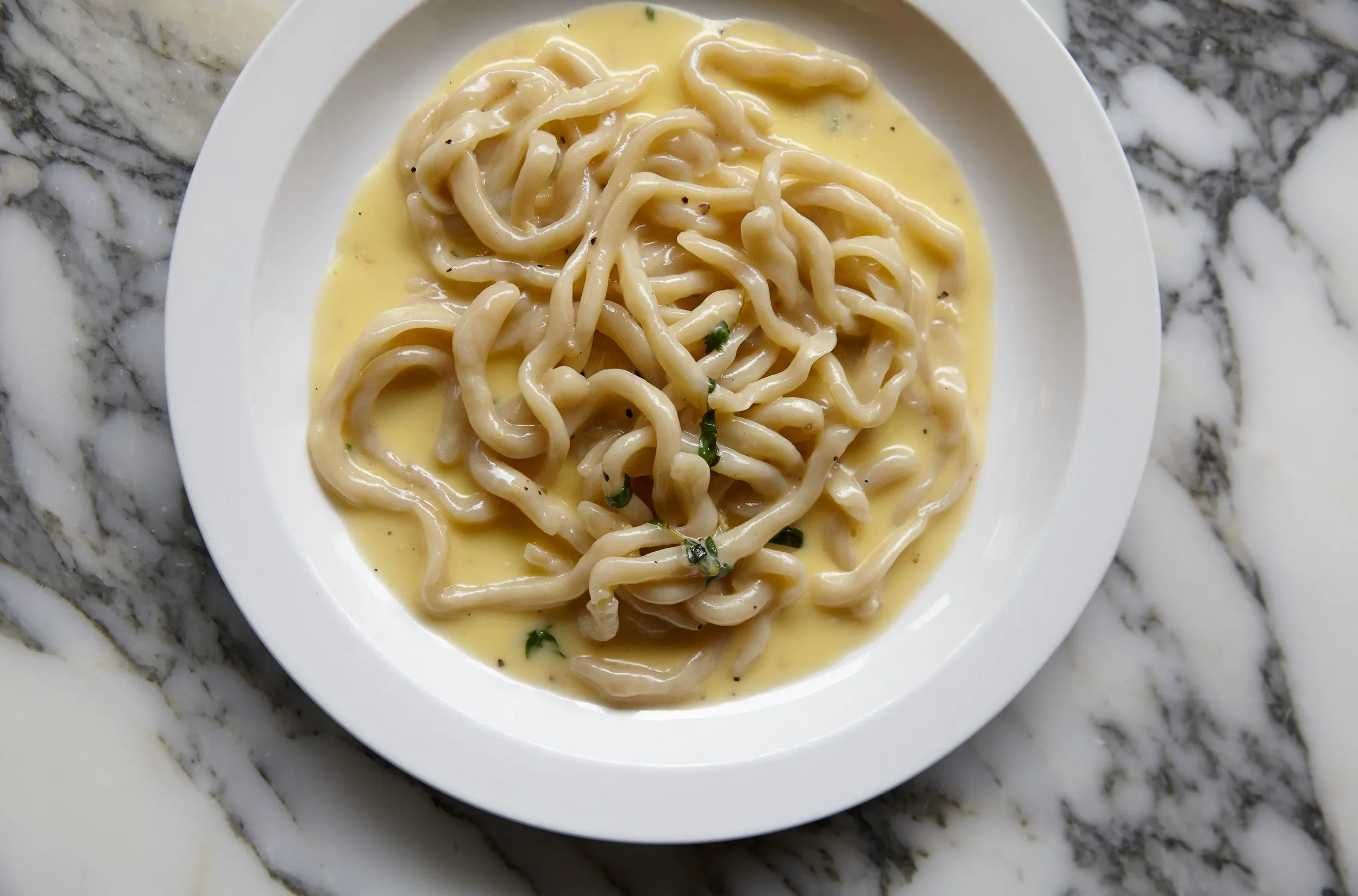
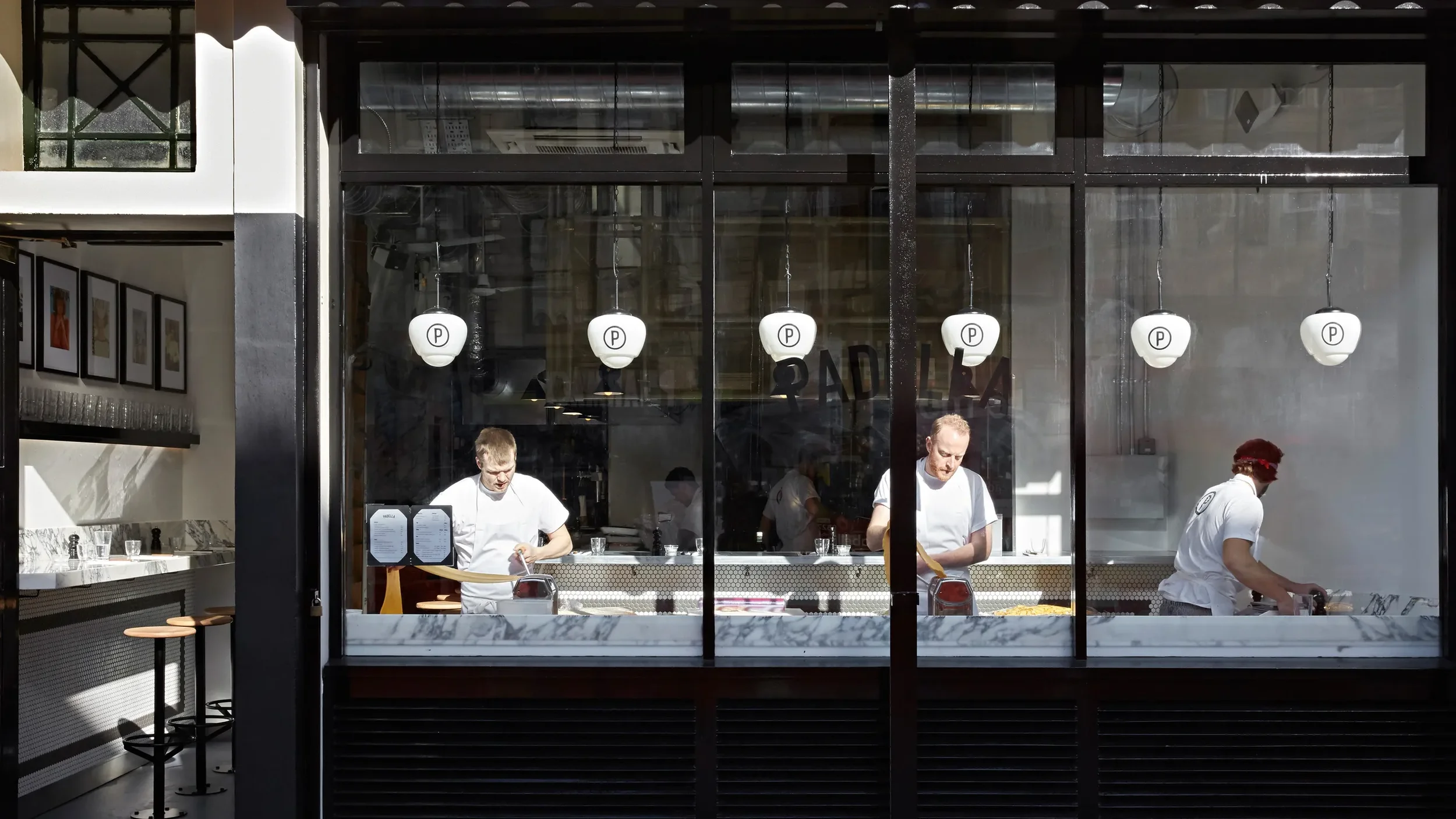
Opened in 2016 by the team behind Islington's Trullo, Padella is widely credited with starting London's fresh-pasta boom, small plates of hand-rolled pici and pappardelle, made in full view of the counter, at prices that still undercut most of its imitators. It has never taken a booking and, a decade on, still doesn't need to. If any restaurant here defines what cool looks like when it isn't trying, this is it.
The food: Italian fresh pasta, rolled by hand each morning and paired with slow-cooked sauces on a short, daily-changing menu. The two originals are still the order, pici cacio e pepe and pappardelle with eight-hour beef shin ragu, alongside seasonal specials such as tagliarini with Dorset crab, chilli and lemon. Eat at the kitchen counter, upstairs or in the cosy basement.
6 Southwark Street, London SE1 1TQ
THE FLUXX FOODIE VERDICT
What ties all seven together is a willingness to let the building, and often a culture, do some of the talking, a railway arch, a pub's upper floor, a listed townhouse, a room built around a Sri Lankan architect's legacy, rather than treating the space as neutral backdrop to the plate. In a market that has been feeding London for over a thousand years, that feels like the right instinct.
What is the best restaurant in Borough Market in 2026? Camille, a small French bistro on Stoney Street, was named London's best restaurant for 2026 by Time Out and placed twentieth in the National Restaurant Awards.
Which Borough Market restaurant has a Michelin star? OMA, on Bedale Street, became the first Greek restaurant in London to win a Michelin star in February 2025 and held it into 2026.
Is Borough Market open every day? The market itself is closed on Mondays, trading Tuesday to Friday 10am to 5pm, Saturday 9am to 5pm and Sunday 10am to 4pm, though the restaurants around its edges keep their own, longer hours.
How old is Borough Market? Trade at the site dates to at least 1014, with the market formally established by Act of Parliament in 1756 and its Victorian iron and glass halls built in the 1850s and 60s.
What is the newest notable restaurant near Borough Market? Akara, a West African restaurant from Aji Akokomi of Akoko, took a Bib Gourmand in the 2026 Michelin Guide, the only new one awarded in the area.
What is the coolest restaurant in Borough Market? Padella, a no-bookings pasta bar on Southwark Street open since 2016, is widely credited with starting London's fresh-pasta boom and remains one of the market's most enduring cult favourites.
The market is located in Southwark, south London, a short walk from London Bridge station, and is closed on Mondays.
DISCOVER MORE FLUXX RESTAURANT & BAR INSPIRATION