Frieze London 2026: The Giant Daffodil, the Van Dyck and What to See
Frieze London and Frieze Masters return to The Regent's Park from 14 to 18 October 2026, bringing 318 galleries, a 3.5-metre daffodil princess and a life-size Van Dyck to a city with a point to prove.
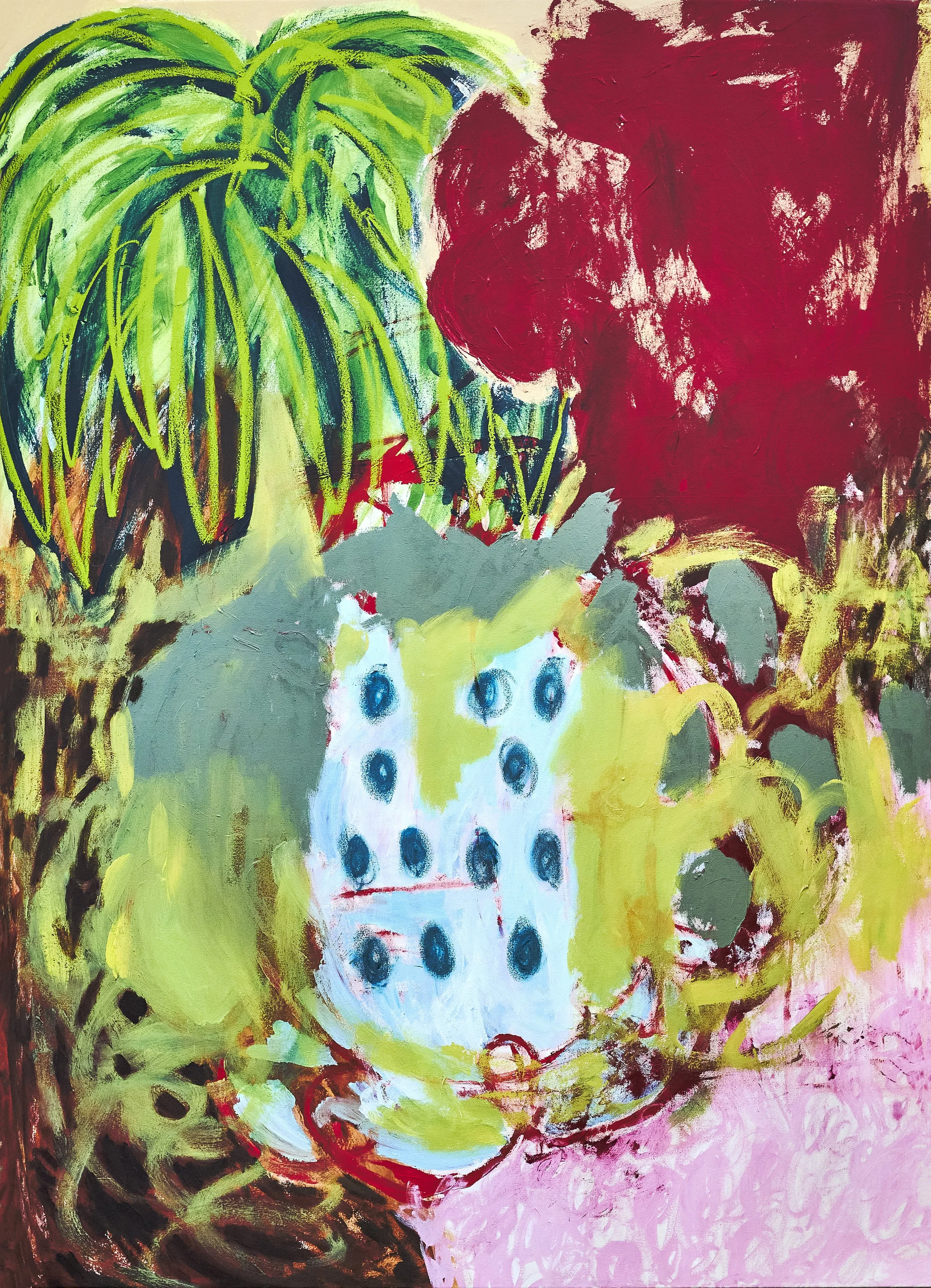
Photography, Bolanle Contemporary, Eilen Itzel do Espirito Santo, Ofun Irosun, 2024, Acrylic and oil on canvas,65 × 230 cm. Courtesy of the artist and Bolanle Contemporary.
For two years the art world has been in what might politely be called a period of reflection. The mood is now lifting, if carefully. The Art Basel and UBS Global Art Market Report 2026 puts global sales at $59.6 billion for 2025, up 4 per cent, a return to growth led by the top end and a rebound at auction. The money is back in the room but it is behaving itself: modern art rose 9 per cent while sales by contemporary dealers stood still, which suggests collectors currently prefer a proven name to a promising one.
London, meanwhile, is having an argument with itself. The UK remains the world's second-largest art market, with $10.5 billion in sales and an 18 per cent global share, yet it was auction houses rather than dealers doing the lifting. In June, Pace was reported to be giving up its 8,600 sq ft London gallery for somewhere “less corporate”, having cut 50 staff and 50 artists worldwide, and Art Basel Paris now opens five days after Frieze closes. “London needs some lobbying,” dealer Thaddaeus Ropac told a London Gallery Weekend panel that same month. The weekend drew 50,000 visitors to more than 120 galleries. Decline, it turns out, is very well attended.
This is the backdrop to the 24th edition of Frieze London and the 14th edition of Frieze Masters. Frieze London brings 176 galleries from 43 countries and regions; a stroll across the park, Frieze Masters gathers 142 galleries from 33 countries, with Deutsche Bank as global lead partner for a 23rd consecutive year. Eva Langret, Director of Frieze EMEA, describes a fair where “established names and the next generation show in dialogue, testing new ground together and shaping what comes next.” In a cautious market, that reads as a statement of intent.
What Should You See at Frieze London 2026?
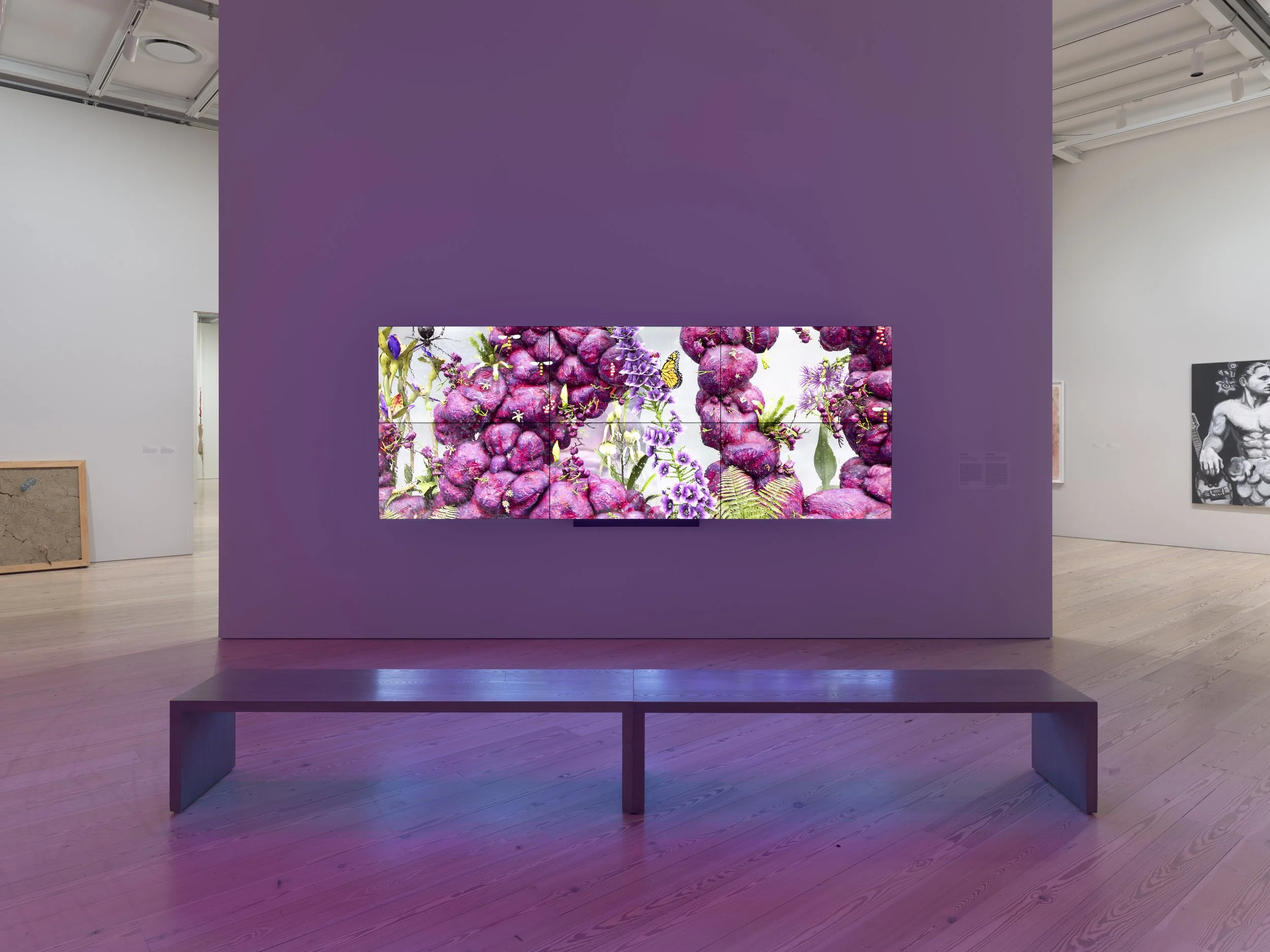
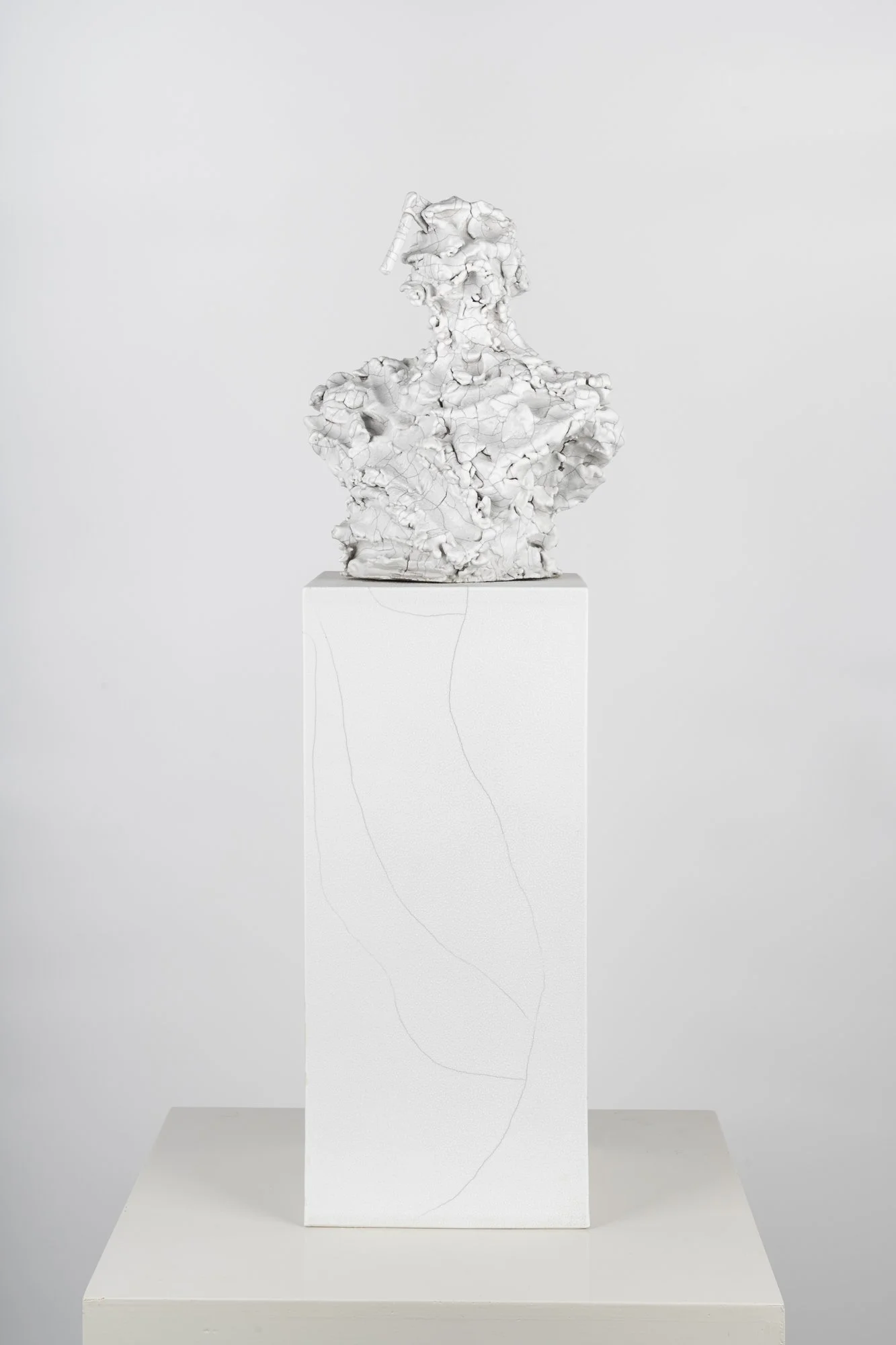
Photography, BugSim, Theo Triantafyllidis, 2022 at Shifting Landscapes group exhibition at Whitney Museum of American Art, 2025. © Courtesy the Artist and The Breeder.
Start with scale. Sadie Coles HQ has commissioned Alex Da Corte's Princess Daffodil, a sculpture standing more than 3.5 metres tall, which is the sort of thing a gallery does when it is not feeling nervous. Gagosian shows six large new paintings by Albert Oehlen, Lisson presents Dalton Paula's portraits returning Black historical figures of the 16th to 19th centuries to view, and Fort Gansevoort gives Haitian artist Myrlande Constant her first European solo, her drapo, or Vodou flags, reworking a traditionally male craft.
The trend THE FLUXX will be watching, however, is the booth as interior. Edel Assanti is rebuilding the Soviet-era Kraków apartment in which artist Marcin Dudek grew up, then hanging other artists' work inside it. In Focus, the section for 35 galleries aged 12 years or under, Tamo Jugeli papers her stand in William Morris's Brer Rabbit print on the grounds that home is where art ends up anyway, while Steph Huang skewers oversized olives on a steel bar cart. Art fairs have always been showrooms. This year they are admitting it, and decorating accordingly.
New curated section The Code Universe, led by Carol Yinghua Lu of Beijing's Inside-Out Art Museum, examines how pop culture has been made and consumed since the late 1970s, and Artist-to-Artist returns with seven artists nominated by peers including Yinka Shonibare and Otobong Nkanga. Note, too, how many London-based names are in play: Hauser & Wirth's group hang runs from Frank Bowling to Sonia Boyce and Michaela Yearwood-Dan. The city is lobbying, as instructed.
Is Frieze Masters the Smarter Ticket This Year?
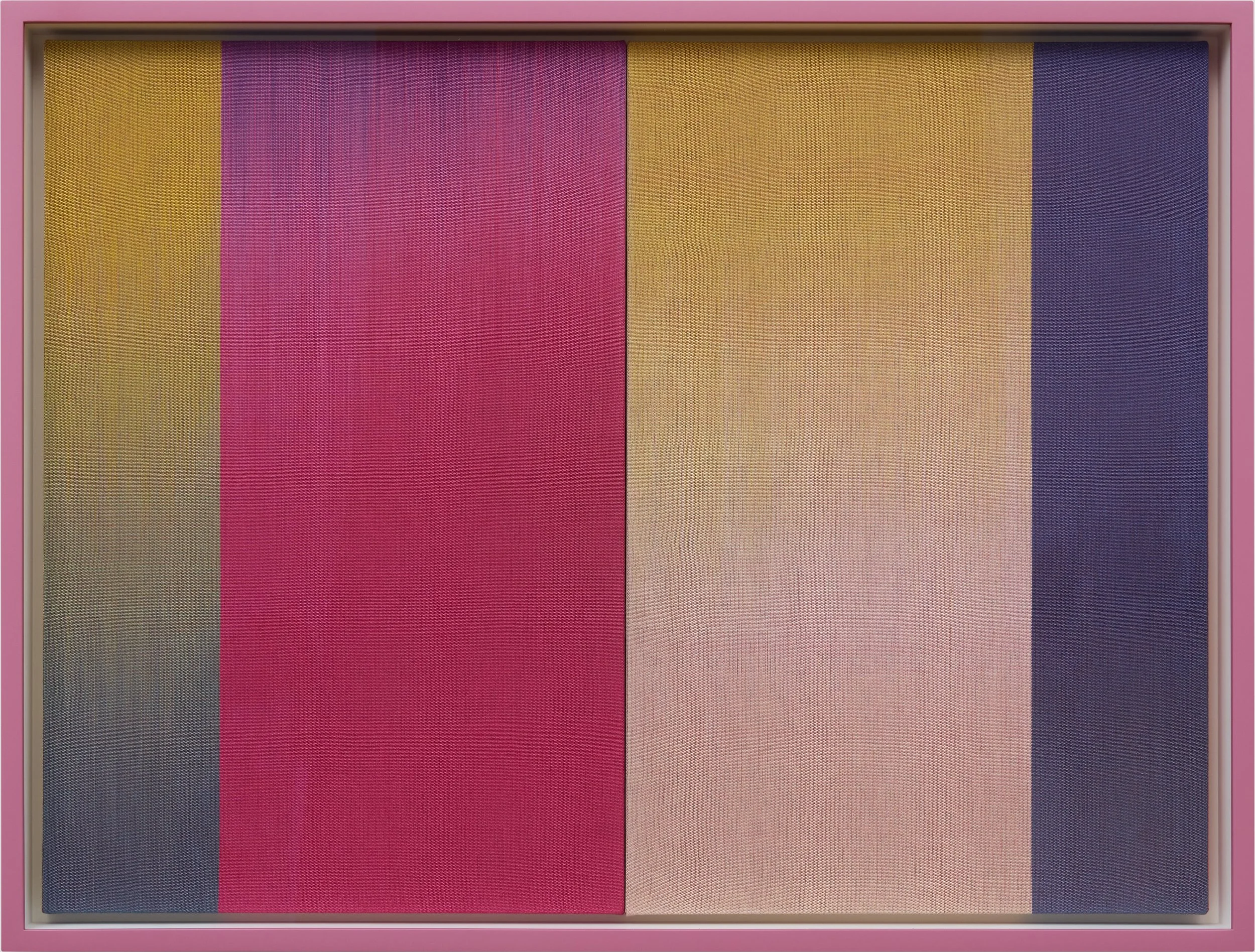
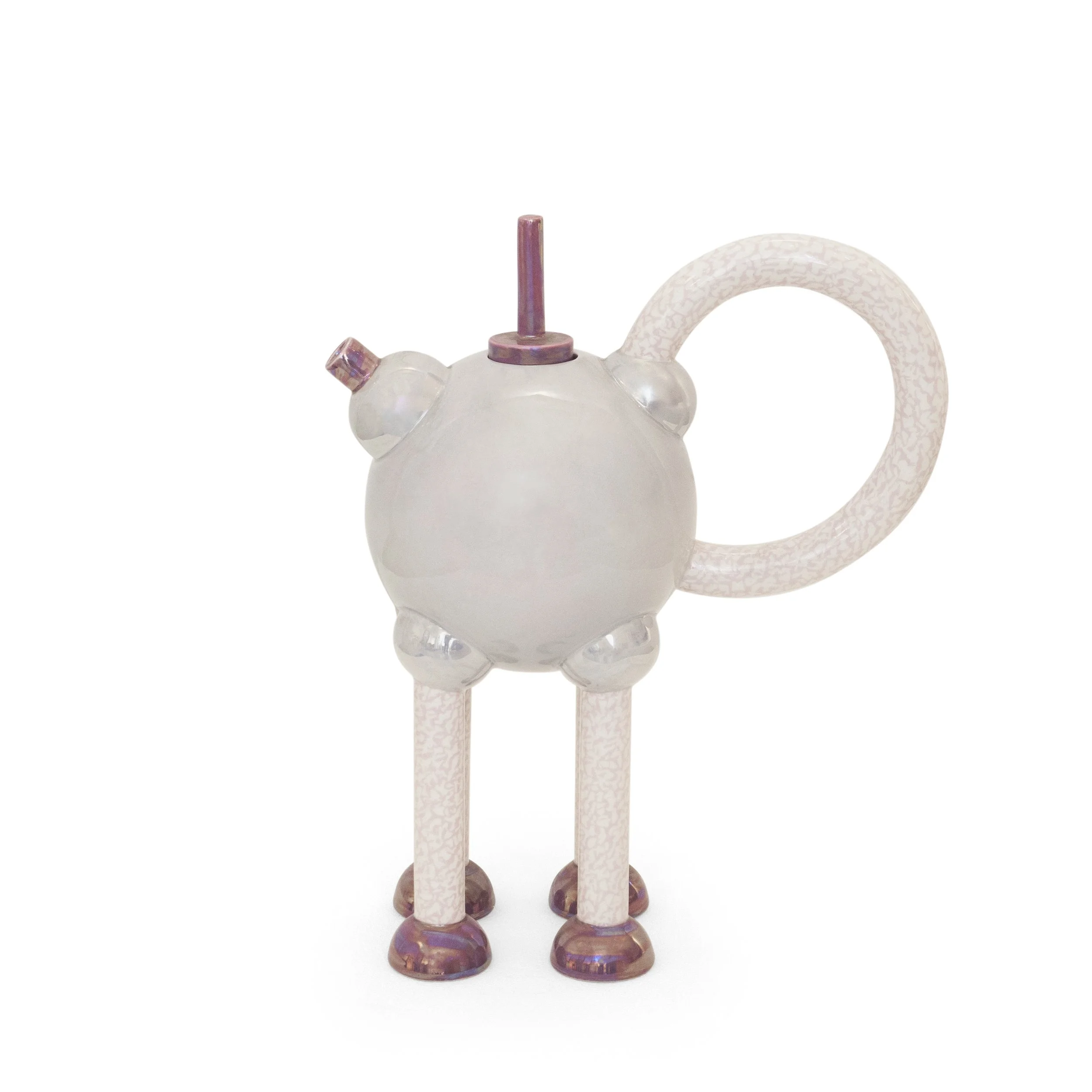
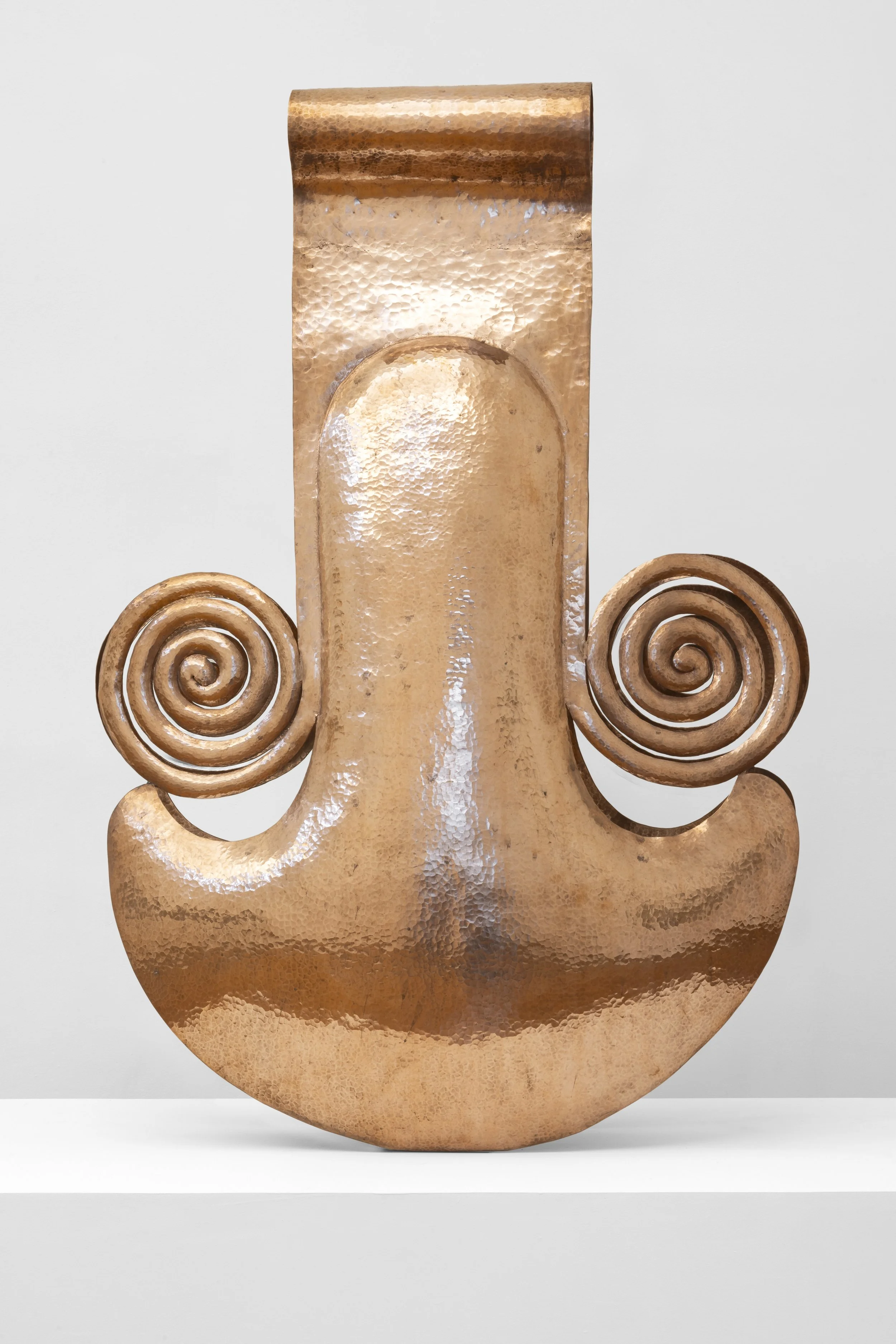
Photography, above Ptolemy Mann, Untitled, 1990s. Hand dyed and woven viscose and mercerised cotton. 60 x 80 cm. Bottom Left, Matteo Thun for Alessio Sarri-Sesto Fiorentino, Columbina Superba Teapot, 1982. Courtesy Ammann Gallery. Bottom right, Ana Pellicer, Pinzas Tarascas, 2024. Hammered Copper. 150 x 130 x 100 cm 59 x 51 1/8 x 39 3/8 in Unique Courtesy Masa Galería.
Quite possibly. With historic and modern work outperforming, the older fair has the wind behind it, and its objects have the better stories. Colnaghi brings a life-size Van Dyck, Portrait of a Nobleman (c. 1627 to 1632). Rupert Wace shows a 26th-Dynasty bronze of Ptah once owned by William Randolph Hearst and thought to have informed the silhouette of the original Oscar statuette in 1927. Raccanello & Leprince has the Sèvres breakfast service delivered to Empress Marie-Louise as a New Year's gift around 1812, reunited with its original leather case.
Emanuela Tarizzo, Director of Frieze Masters, says the fair “has always resisted the idea of a single art history,” and 2026 makes the point with Queering Modernism, its first curated thread on queer visual history, conceived by Anke Kempkes and featuring Alice Neel, Claude Cahun and Glyn Philpot. For design readers the essential stop is Reflections, which takes its cue from two houses, Casa Luis Barragán in Mexico City and the Jencks' Cosmic House in London, and is anchored by Alessandro Mendini's Poltrona di Proust (1978) at Ammann Gallery. Postmodernism, once the embarrassing uncle of design history, finally gets the good room.
How Do You Do Frieze Week Properly?

Photography, David Altmejd, Nymph 1 Nymph 2 Nymph 3, 2025, presented by White Cube. Frieze Sculpture 2025. Photo by Linda Nylind. Courtesy of Frieze.
General admission begins at 1pm on Thursday 15 October; Wednesday is invitation only. Friday and Saturday run 11am to 7pm and Sunday closes at 6pm, while the online Frieze Viewing Room opens on 8 October for anyone who prefers to do their reconnaissance from the sofa. Frieze Sculpture, 11 artists across the English Gardens curated by Fatoş Üstek, is free until 1 November and remains the best-value culture in London.
Eat well: Jikoni, Maison François and Sessions Arts Club are at Frieze London, with Trullo, Nobu and newcomer Pophams at Masters. Beyond the tents, PAD London occupies Berkeley Square from 13 to 18 October and1-54 Contemporary African Art Fair takes Somerset House from 15 to 18 October, while Frieze's own No.9 Cork Street marks its fifth anniversary with Jordan Nassar and Robin F. Williams until 24 October. If Mayfair is on the route, THE FLUXX's feature on RH London Mayfair Gallery covers the design detour, and our pieces on Dive Bar Marylebone and Temaki Mayfair answer the question of where to go once the feet give up.
The most telling numbers this year may not be the sales totals. Two acquisition funds launch in 2026: the WAC x FAMM Fund, which will buy a woman artist's first work to enter a UK public collection, and the Dasha Shenkman Focus Fund, purchasing for Abbot Hall in Kendal, while the Contemporary Art Society marks ten years of its Collections Fund by buying for the Whitworth in Manchester. A fair that sends work to Kendal and Manchester, as well as to very private walls, is making an argument about what London is for. Frieze Abu Dhabi follows in November. For five days in October, though, the case for London gets made in a tent in the park, with very good pasta.
DISCOVER MORE FLUXX ART