London Gallery Weekend 2026: the Fluxx guide
London Gallery Weekend opens 5–7 June. We've done the planning so you don't have to.

National Portrait Gallery forecourt by Olivier Hess © National Portrait Gallery, London.
London Gallery Weekend (LGW) returns this June for its sixth edition and by any measure, this year feels like a step up. Free for all to attend, the event brings together over 130 of London's leading contemporary galleries across three days, with each day anchored in a different area of the city. Exhibitions open 5–7 June, with shows on view through to 28 June giving you three weeks to return and see things properly.
What is London Gallery Weekend?
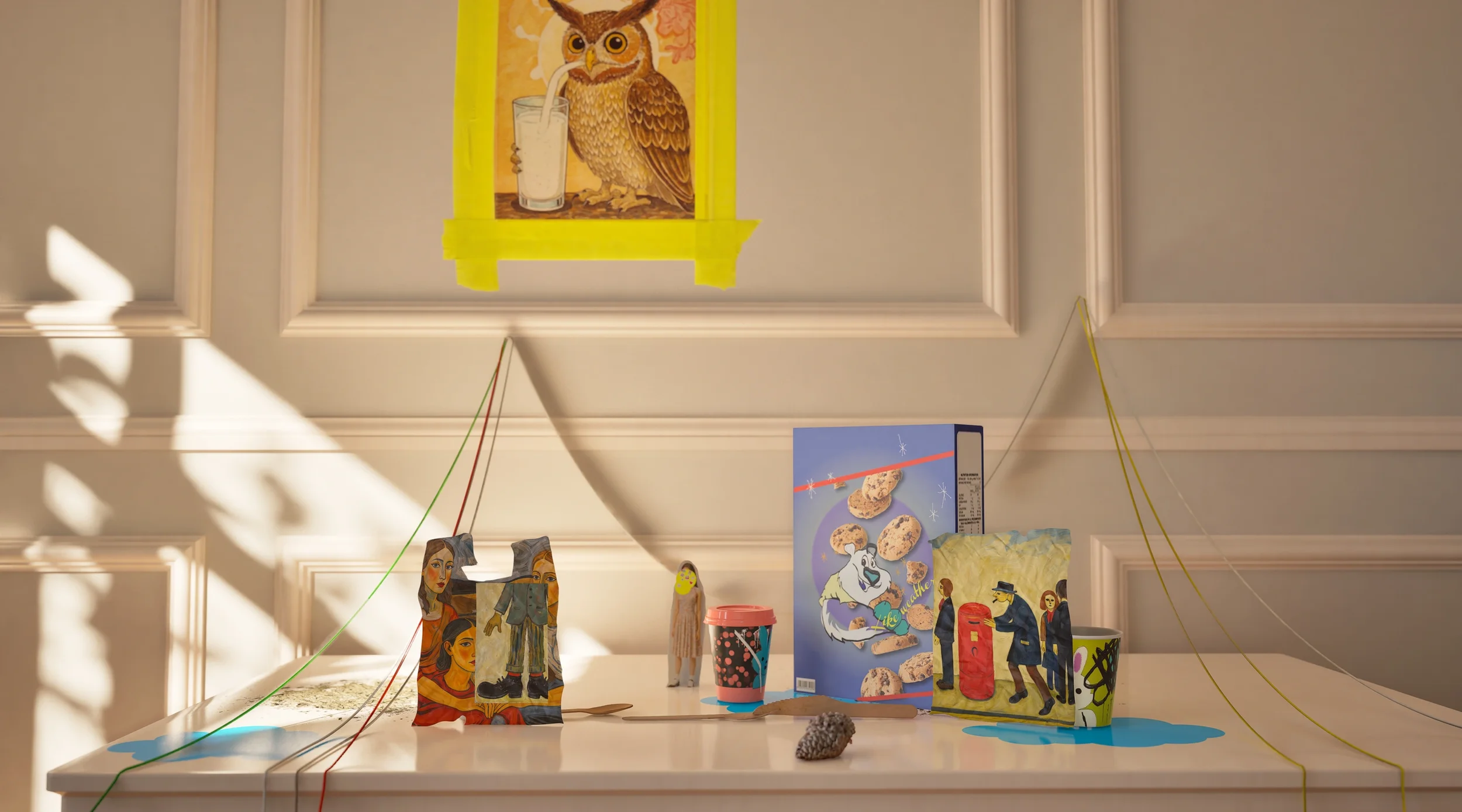
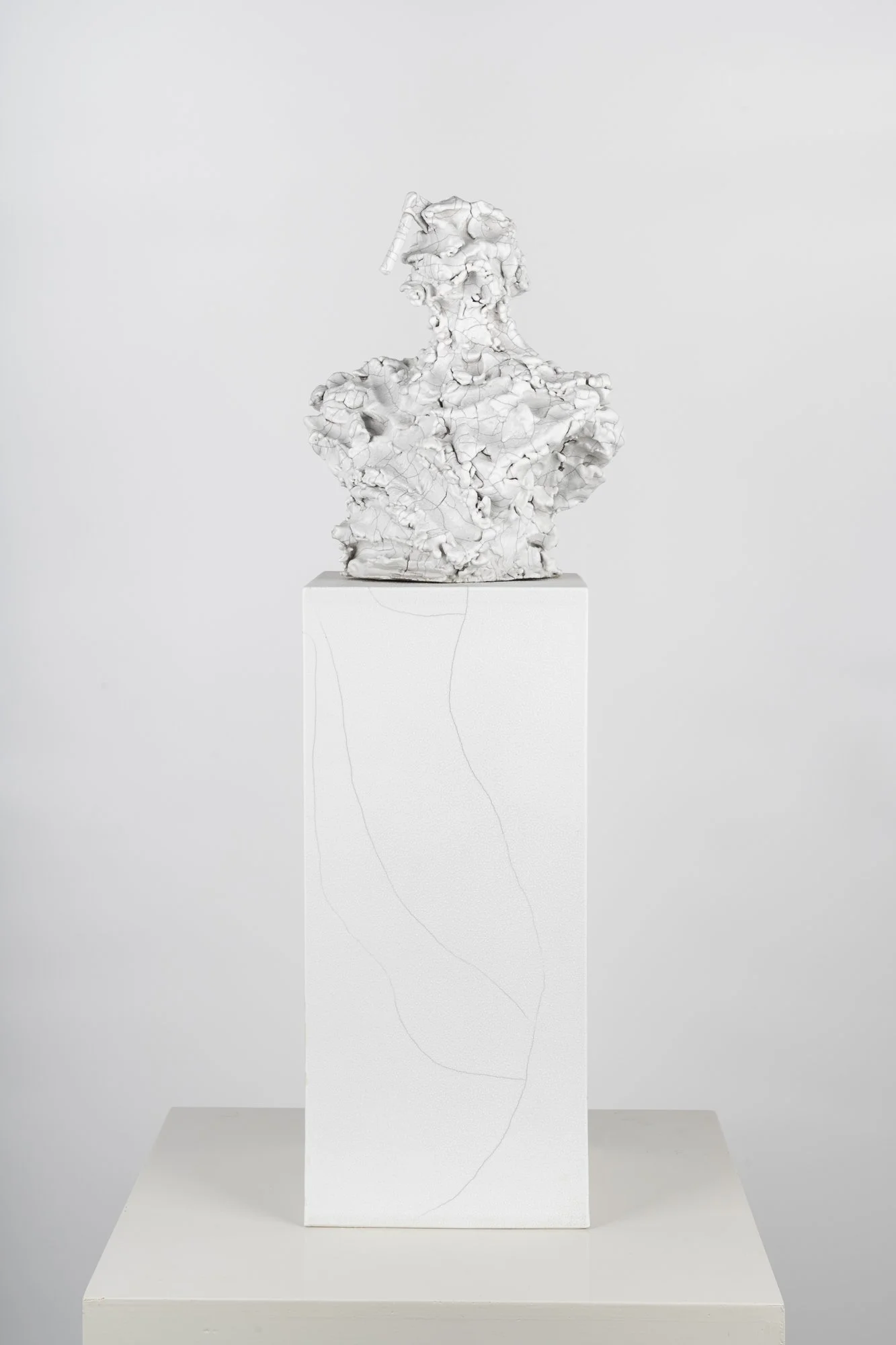
Helen Marten, 27 May — 12 September 2026. Sadie Coles HQ, 17 Savile Row W1S.
For the uninitiated: LGW is the capital's most significant open gallery event of the year. It's not a fair, not a ticketed institution, it's the city's commercial and public gallery scene throwing its doors open simultaneously, free of charge. The scale of it across one weekend is genuinely unlike anything else in London's cultural calendar, and unlike Art Basel or Frieze, you don't need an invitation or a four-figure entrance badge to be part of it.
Who's showing
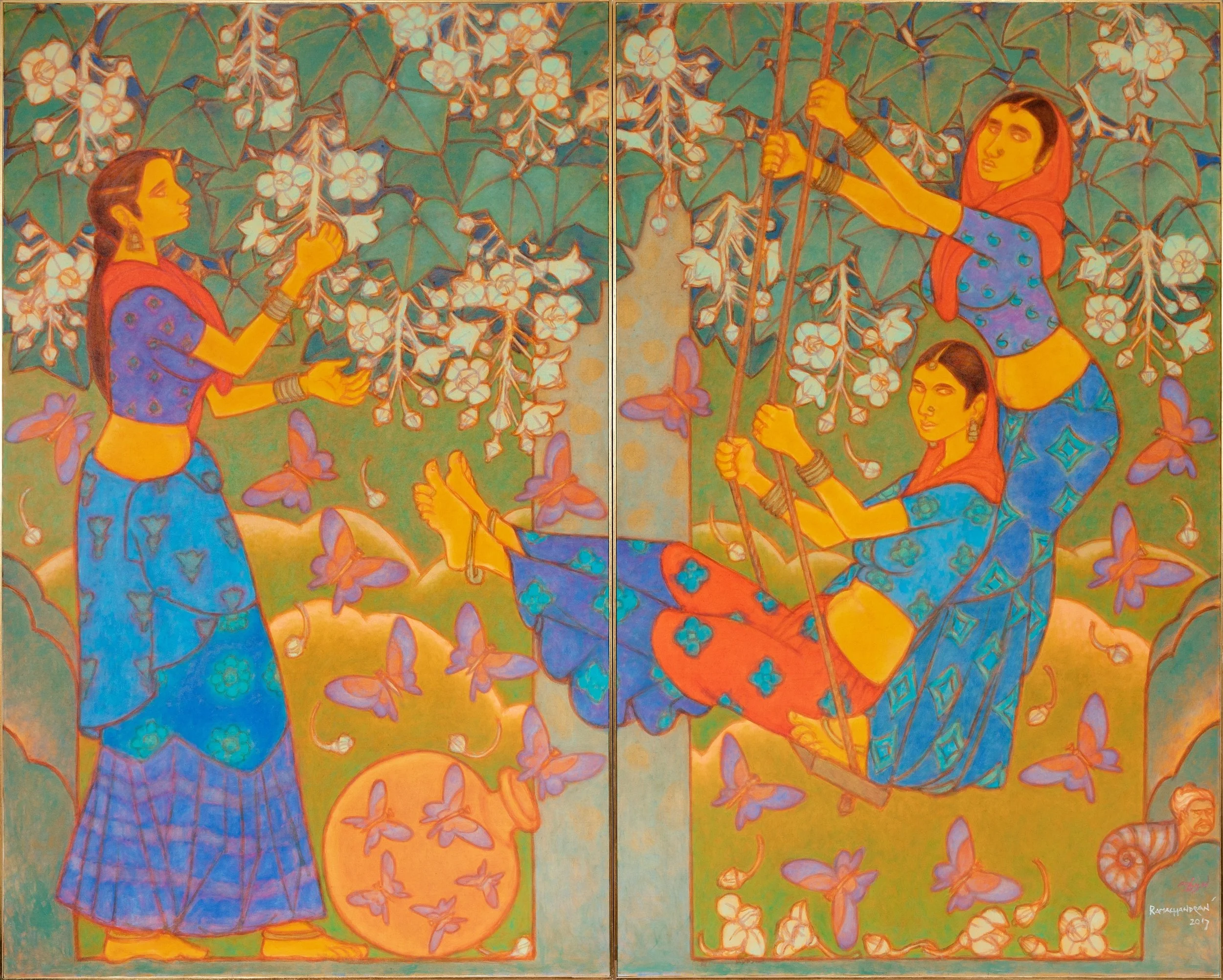
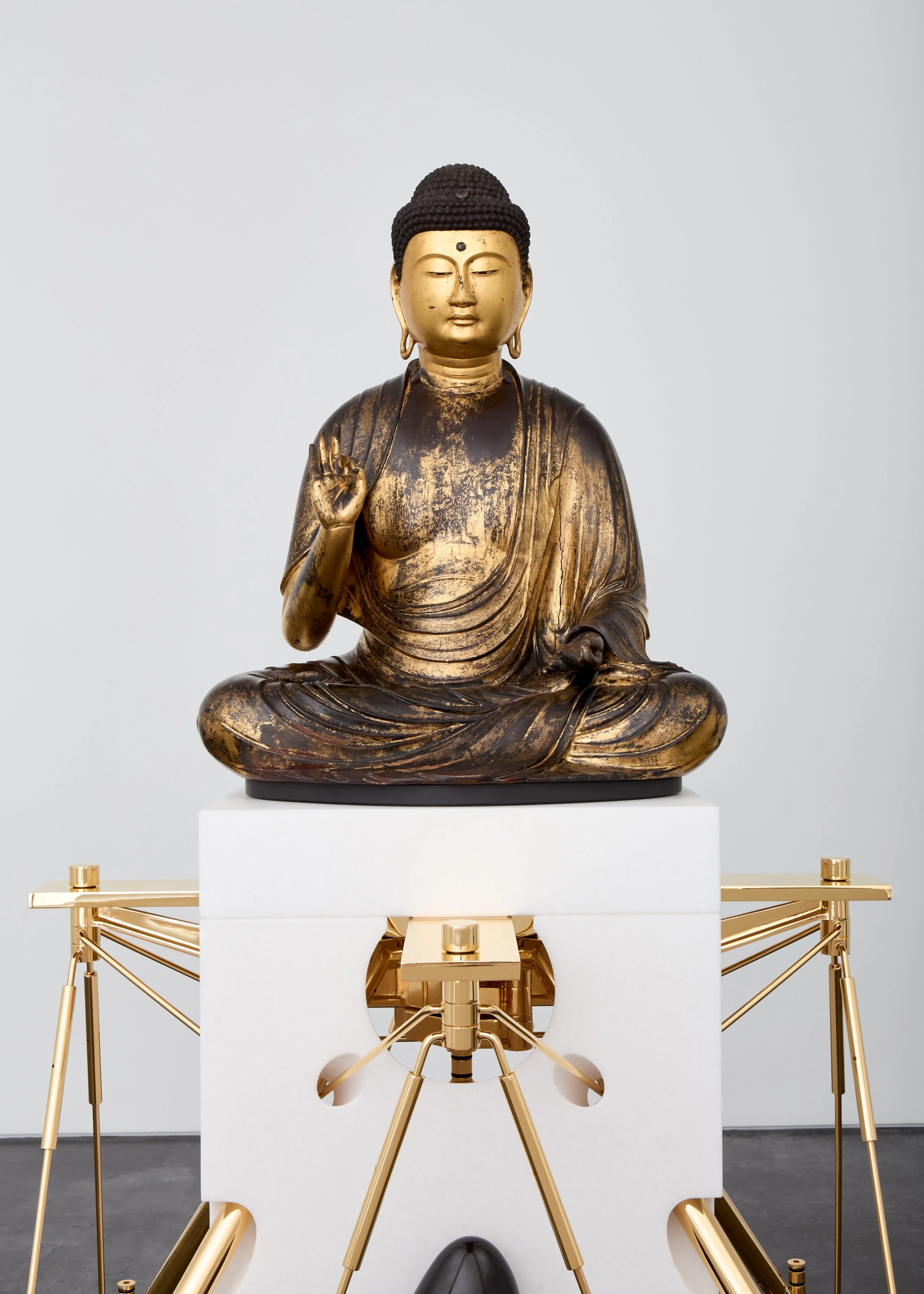
A. Ramachandran, 'Girls on the Swing', 2017, oil on canvas, 78 x 96 in. Courtesy of Vadehra Art Gallery and the Ramachandran family.
Participating venues span the full spectrum of London's art world, from Tate Modern, Tate Britain, the National Portrait Gallery and the V&A, to commercial galleries including Hauser & Wirth, White Cube, Lisson Gallery, Thaddaeus Ropac and Sadie Coles HQ. On the artist front, the programme takes in Alvaro Barrington, Francis Picabia, Eileen Agar, Jean Dubuffet, Roni Horn, Anne Imhof, Lubaina Himid, Tracey Emin and Henry Moore, across painting, sculpture, photography and digital art.
Frieze's year-round gallery space in London, No.9 Cork Street, will open exhibitions by Mumbai's Project 88 and New Delhi's Vadehra Art Gallery during London Gallery Weekend (5–7 June), on view through to 4 July
Several shows are worth planning around specifically. Lubaina Himid's presence in the programme is always an event, her work on Blackness, history and the politics of visibility has only grown in critical urgency since her Turner Prize win. Roni Horn, whose practice spans photography, drawing and sculpture with a rigorous focus on identity and indeterminacy, is another not to miss. And the Picabia shows are worth tracking down for anyone interested in the stranger turns of early 20th-century modernism.
See a list here
The institutional partnerships
This year's edition also expands through collaborations with the Arts Council Collection, Government Art Collection, Art Fund, Paul Mellon Centre and the Henry Moore Foundation. These aren't token associations, they bring access to works and collections that rarely circulate through the commercial gallery circuit, and they add an institutional depth that raises the whole weekend beyond what any single organisation could programme alone.
The curated routes
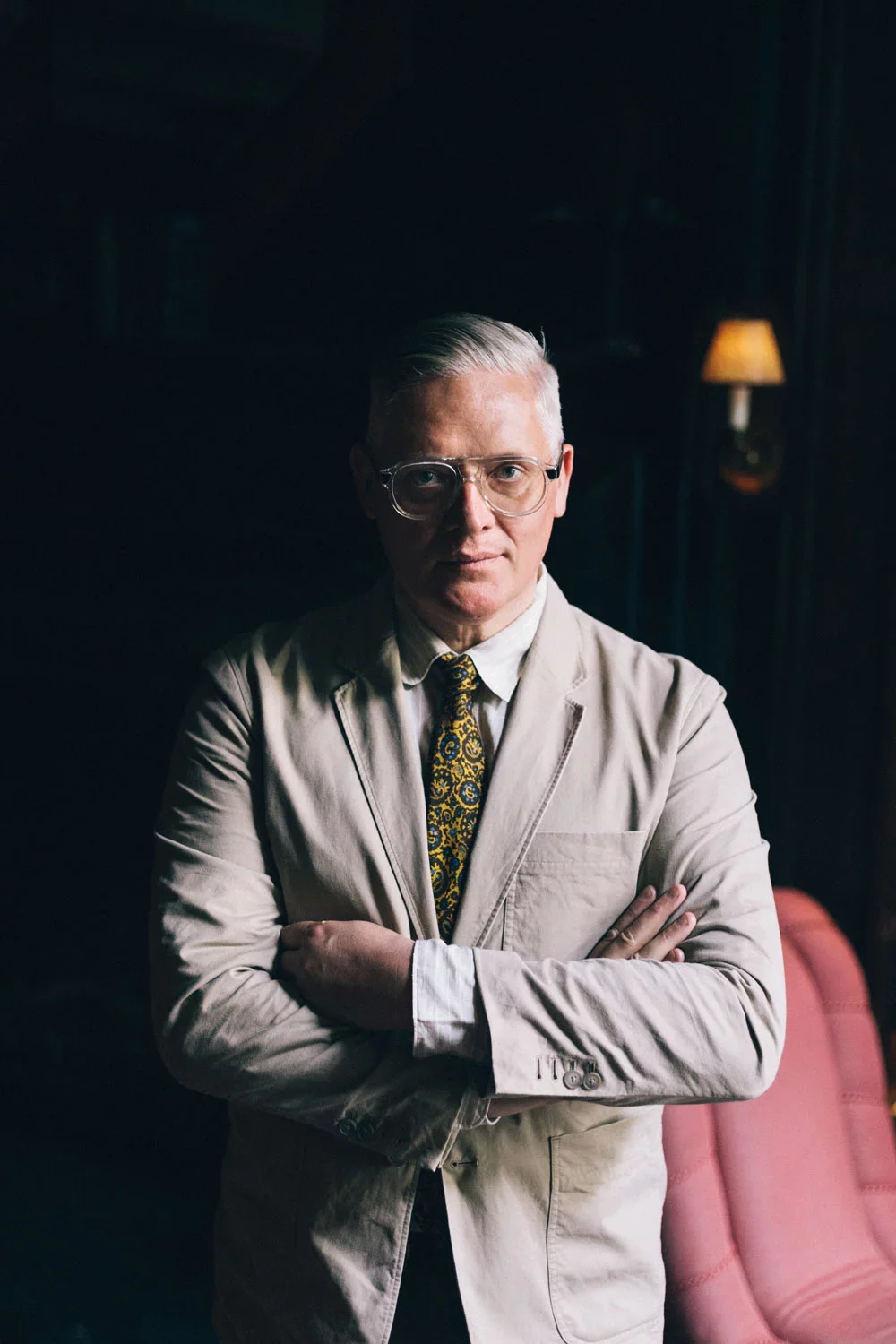
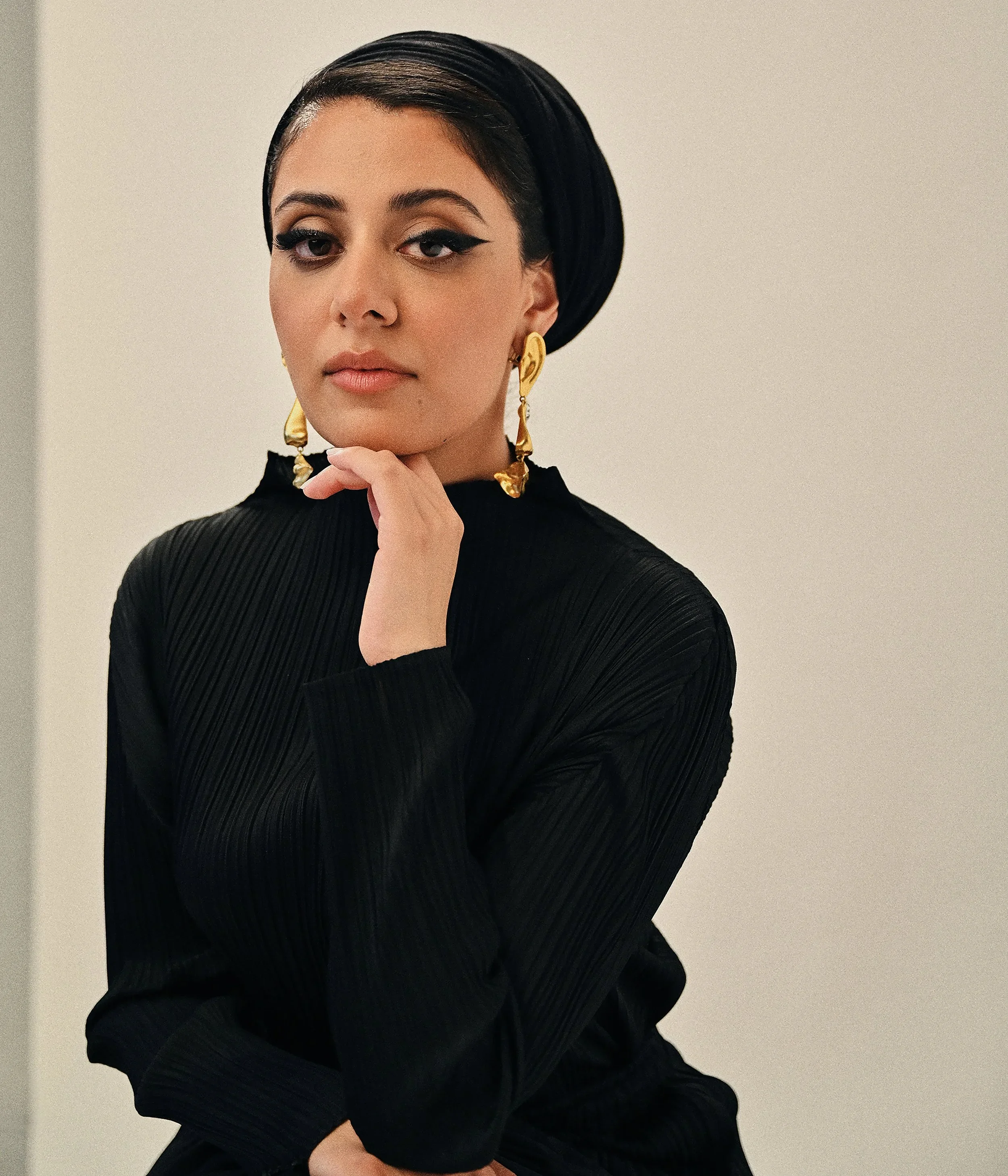
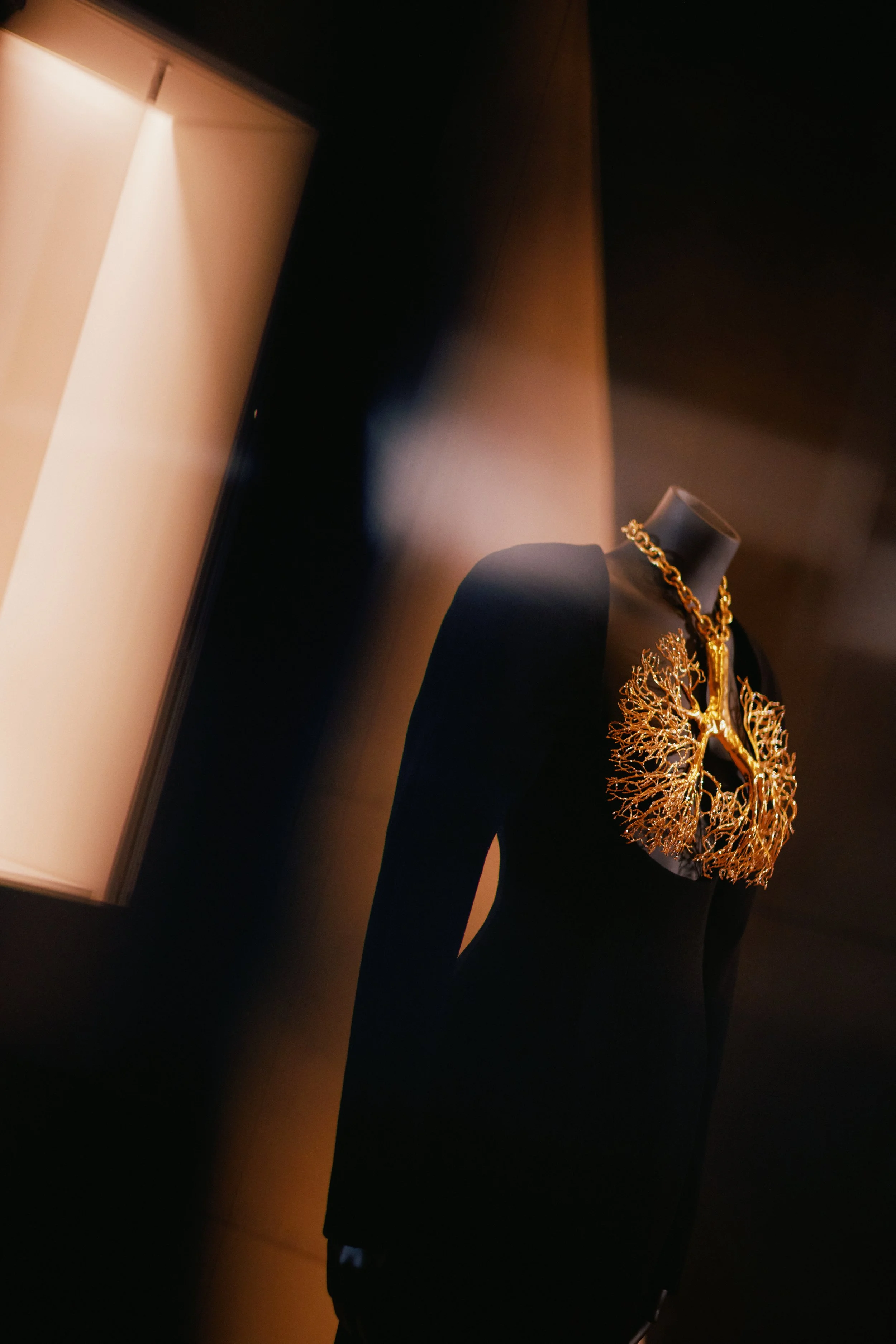
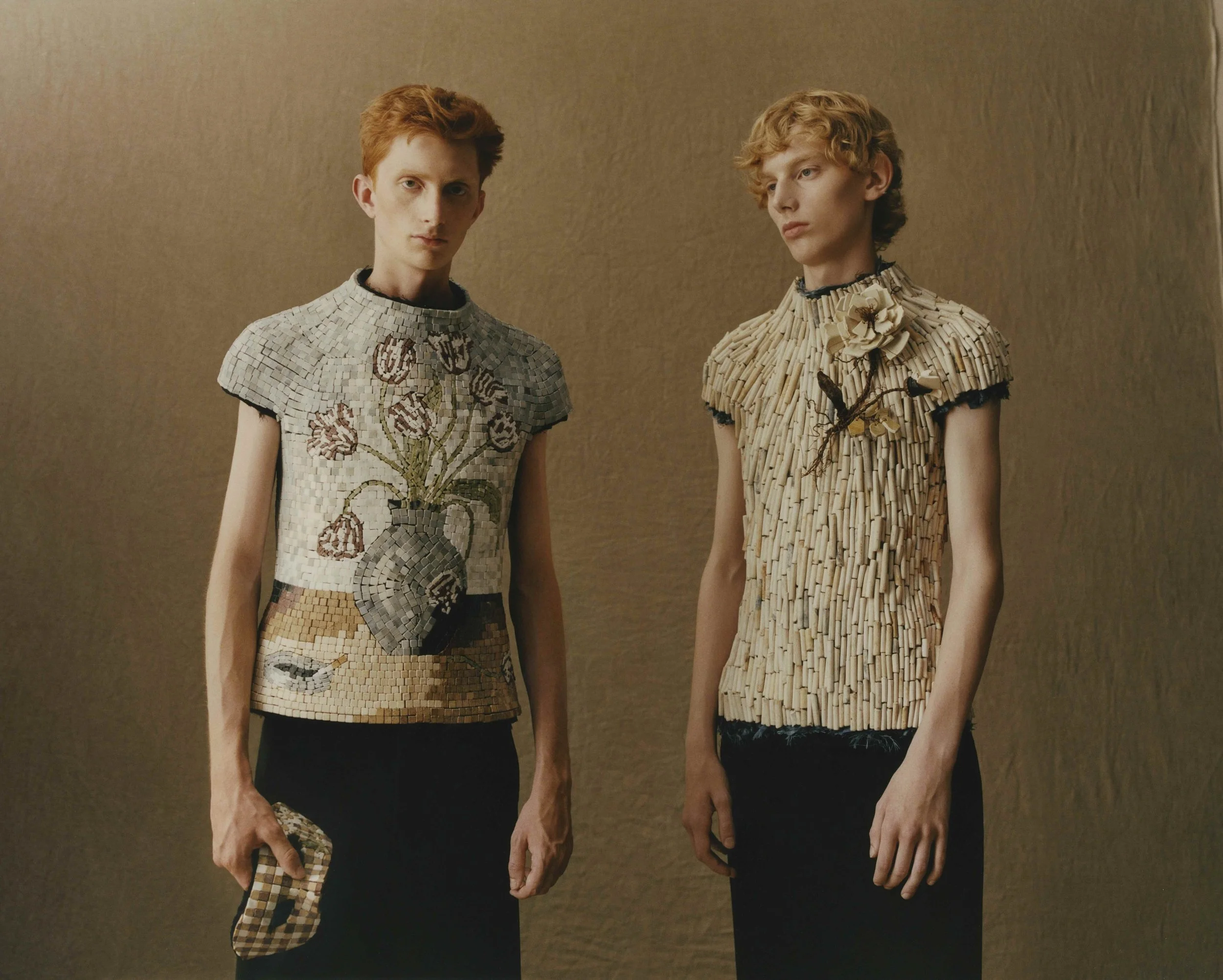
Photography, left Giles Deacon © Alexandra Dao. Right, Sumayya Vally by Lou Jasmine.
One of LGW's most useful features is its programme of curated routes: itineraries built by leading figures from across the art and creative world, each offering a personal lens on the weekend. This year's routes have been created by author Alice Hattrick, designer and creative director Giles Deacon, Erdem Moralioglu, founder of the eponymous fashion house, ERDEM and architect Sumayya Vally.
Each brings a genuinely different eye. Deacon's fashion-meets-art sensibility makes for a route that moves between aesthetic worlds fluidly, expect his picks to be visually sharp and surprising. Vally, whose architectural practice centres on spatial justice and collective memory, will have chosen spaces and works that reward slow looking. Hattrick, whose writing explores art, illness and the archive, brings an essayist's instinct for overlooked connections.
Following one of these routes is a far more rewarding approach than trying to map your own itinerary from scratch.
Discover the curated routes here
How to approach the weekend
With 130+ galleries across three days, the temptation is to try to cover everything. Don't. LGW works best when you treat it like an edit rather than an audit, pick eight to ten galleries, leave room to linger, and let yourself get diverted by something unexpected. The programme's geographic structure helps: Friday tends to concentrate on East London and the City; Saturday on the West End and Mayfair; Sunday across South London. Check the map before you go and build your route around neighbourhoods rather than individual venues.
Galleries are open Friday and Saturday 11am–6pm, and Sunday 12–5pm. Most openings and private views cluster on Friday evening, when the social energy of the weekend peaks but the actual shows are often better experienced in the quieter hours of Saturday morning or Sunday afternoon, when you can spend real time with the work.
The wider programme
Beyond the gallery shows, LGW includes talks, family workshops and special events across the weekend. These vary in quality but are worth checking, some of the conversations programmed alongside major exhibitions are genuinely illuminating, particularly where the gallery has commissioned something specifically for the weekend rather than recycling existing content.
With shows continuing to 28 June, there's time to return and see the work properly, which, for the better exhibitions, you'll want to. Enjoy.
DISCOVER MORE ART NEWS