Venice Biennale 2026: The Exhibitions, Pavilions and Moments Everyone Will Be Talking About
From Giardini to Arsenale, the 61st International Art Exhibition repositions Venice as the epicentre of immersive, design-led cultural travel
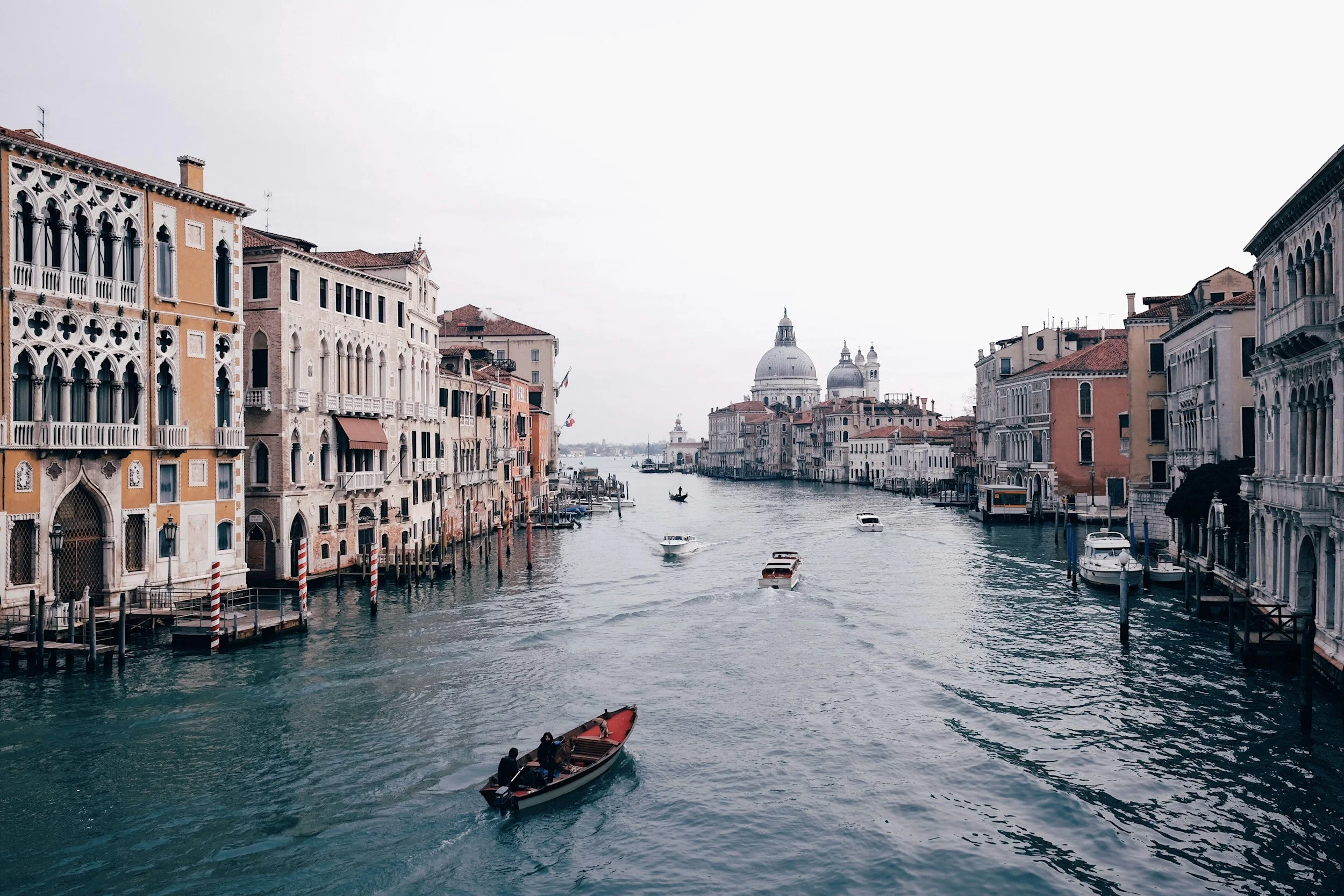
The Venice Biennale 2026 returns this May, once again transforming Venice into one of the world’s most compelling cultural destinations.
Running from 9 May to 22 November 2026 across the Giardini, Arsenale and a network of satellite venues throughout the city, this year’s edition, titled In Minor Keys and curated by Koyo Kouoh, signals a notable shift. Less spectacle, more atmosphere. Less scale, more sensitivity.
A Slower, More Immersive Biennale
At its core, Venice Biennale 2026 introduces a more introspective rhythm to contemporary art. The curatorial framework unfolds through a series of conceptual motifs, Shrines, Processions and Schools, each shaping how visitors move through and engage with the exhibition.
Rather than a linear experience, the Biennale becomes something more fluid. Spaces open slowly. Installations reveal themselves over time. The emphasis shifts towards emotional resonance, material presence and sensory depth.It is a move away from spectacle, towards something more enduring.
The Bvlgari Pavilion: A Defining Cultural Moment
One of the most anticipated highlights this year is the Bvlgari Pavilion, marking the maison’s role as Exclusive Partner of the Biennale Arte.
Set within Spazio Esedra in the Giardini, the pavilion presents a major new commission by Lotus L. Kang. Known for her atmospheric installations, Kang’s work explores memory, transformation and the passage of time, unfolding across layered materials that respond to light, space and duration.
The result is a space that feels both architectural and ephemeral, an environment that evolves throughout the course of the exhibition.
The UK Presence: Lubaina Himid and the British Pavilion
The United Kingdom Pavilion, Lubaina Himid represents the UK with Predicting History: Testing Translation. Credit: The British Council
The United Kingdom Pavilion is set to be one of the most closely watched national presentations of the 2026 edition. Lubaina Himidrepresents the UK with Predicting History: Testing Translation, bringing a major British voice to the global stage.
A Turner Prize-winning artist, Himid’s practice explores identity, history, cultural memory and the politics of belonging, often through richly layered narrative environments. Her presence in Venice matters not only because of her stature, but because the British Pavilion remains one of the Biennale’s most historically significant platforms for international visibility.
The British Council has long positioned the Pavilion as a space for artists whose work speaks beyond national boundaries. In 2026, Himid’s commission extends that legacy, placing questions of translation, home and historical imagination at the centre of the conversation.
Importantly, the UK story will not end in Venice. Art Fund has announced that three Venice Biennale 2026 commissions by British artists will come to UK audiences after the exhibition, including Himid’s British Pavilion presentation, which will tour to Coventry, Belfast and Swansea from 2027. This gives the UK presence a longer cultural life beyond the Giardini, connecting the Biennale back to audiences at home.
the International Projects to Watch

Photography, We Thought We Were Alone by Koen Vanmechelen. Image copyright, Francesco Allegretto.
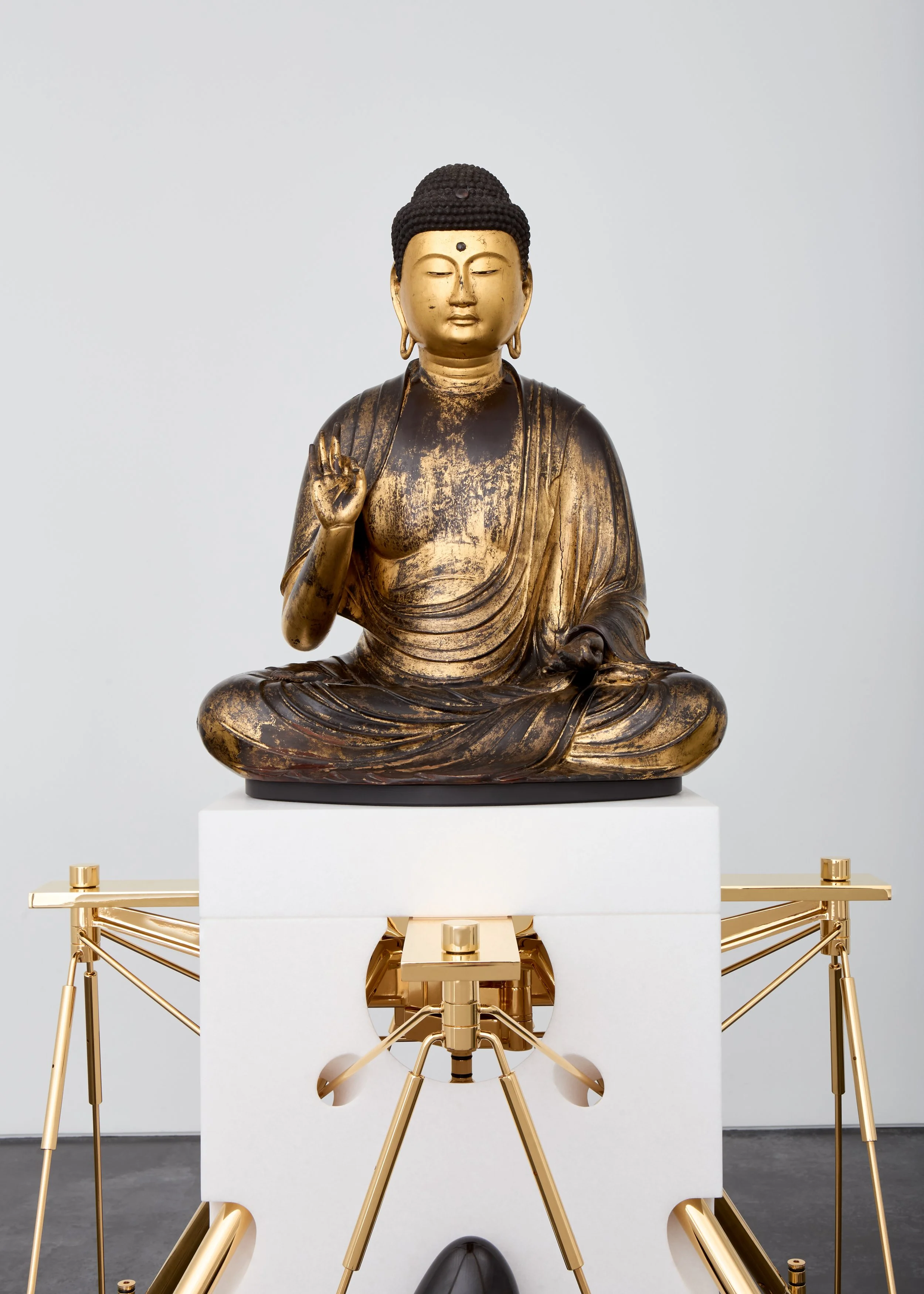

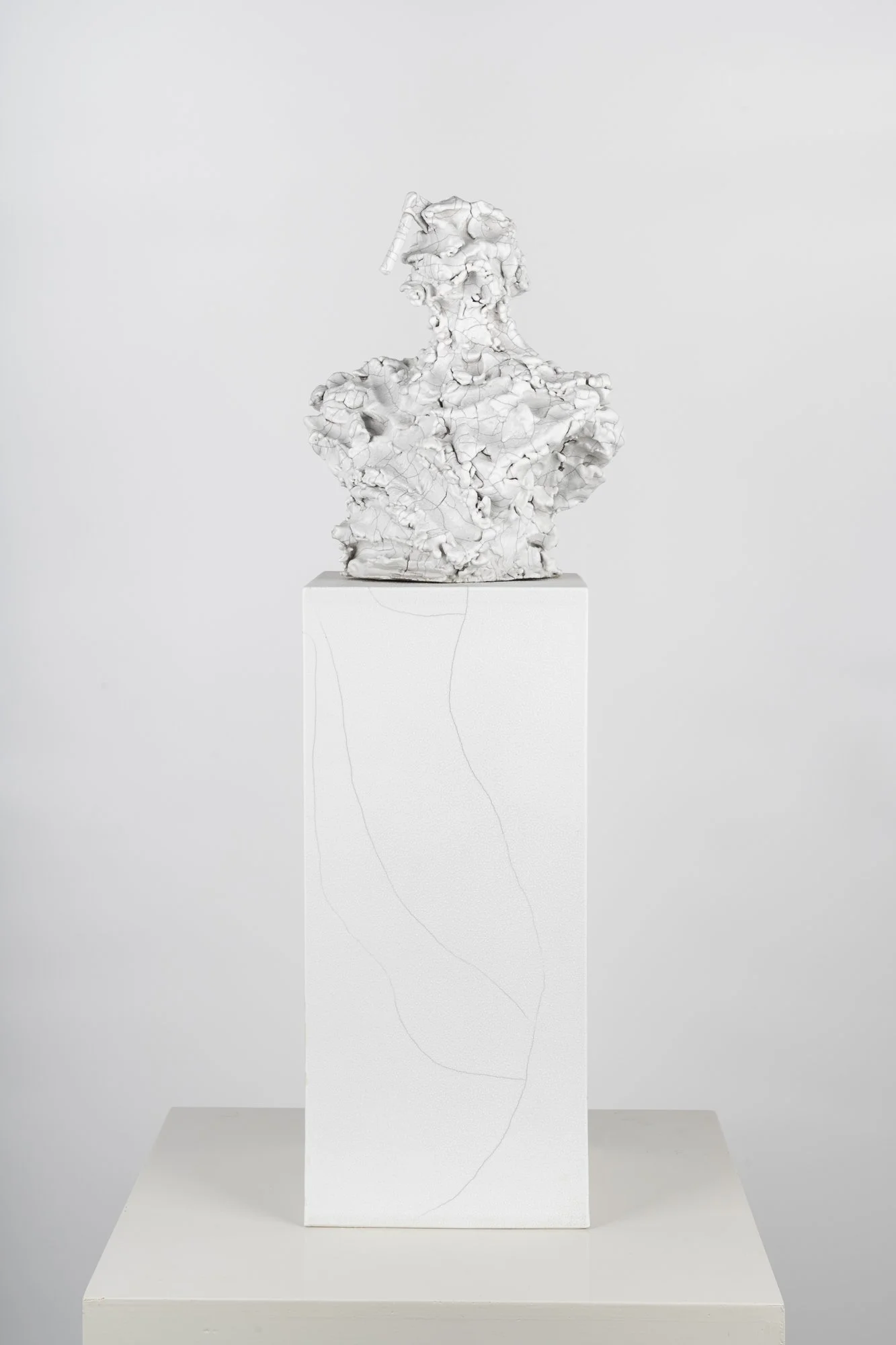
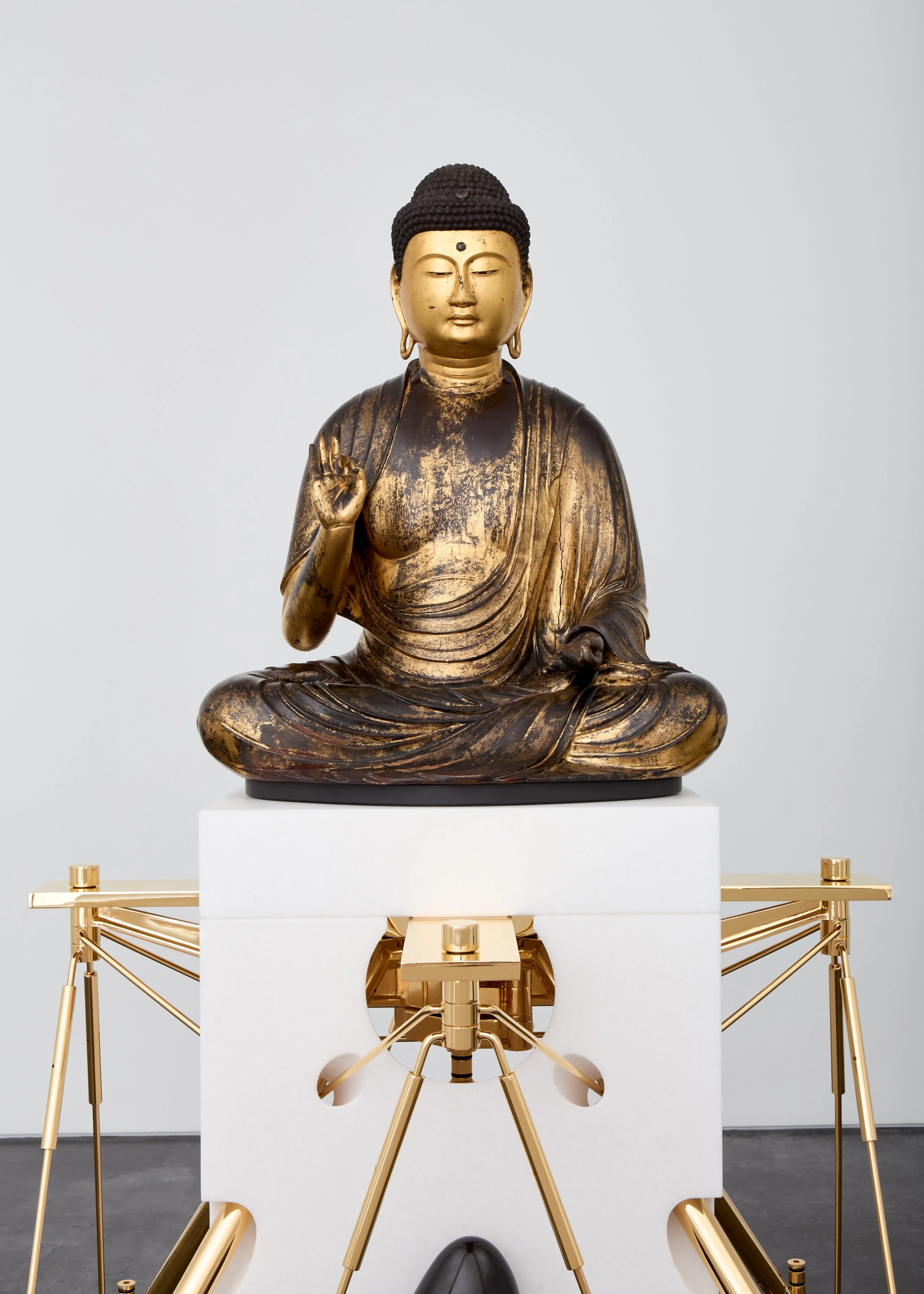
Photography left, BARRYXBALL, Mirrored Buddha Herms. Right, Wallace Chan, Vessels of Other Worlds, Long Museum, Birth Sculpture.
For the 61st edition, a globally diverse roster of artists brings together a compelling cross-section of contemporary practice, including Wallace Chan, Kingsley Ng and Angel Hui, Amanda Heng, Koen Vanmechelen, David Černý and Barry X Ball. They are joined by a wider international field spanning disciplines and geographies, from Shilpa Gupta and El Anatsui to Otobong Nkanga and Lee Bul, each contributing to a broader dialogue around materiality, identity and global exchange.
For The Fluxx reader and art lover, this is a useful reminder that the Biennale is not a single exhibition, but a layered cultural infrastructure. It is formed through artists, commissioners, curators, press teams and international cultural networks, all shaping how the world encounters contemporary art.
National Pavilions to Watch
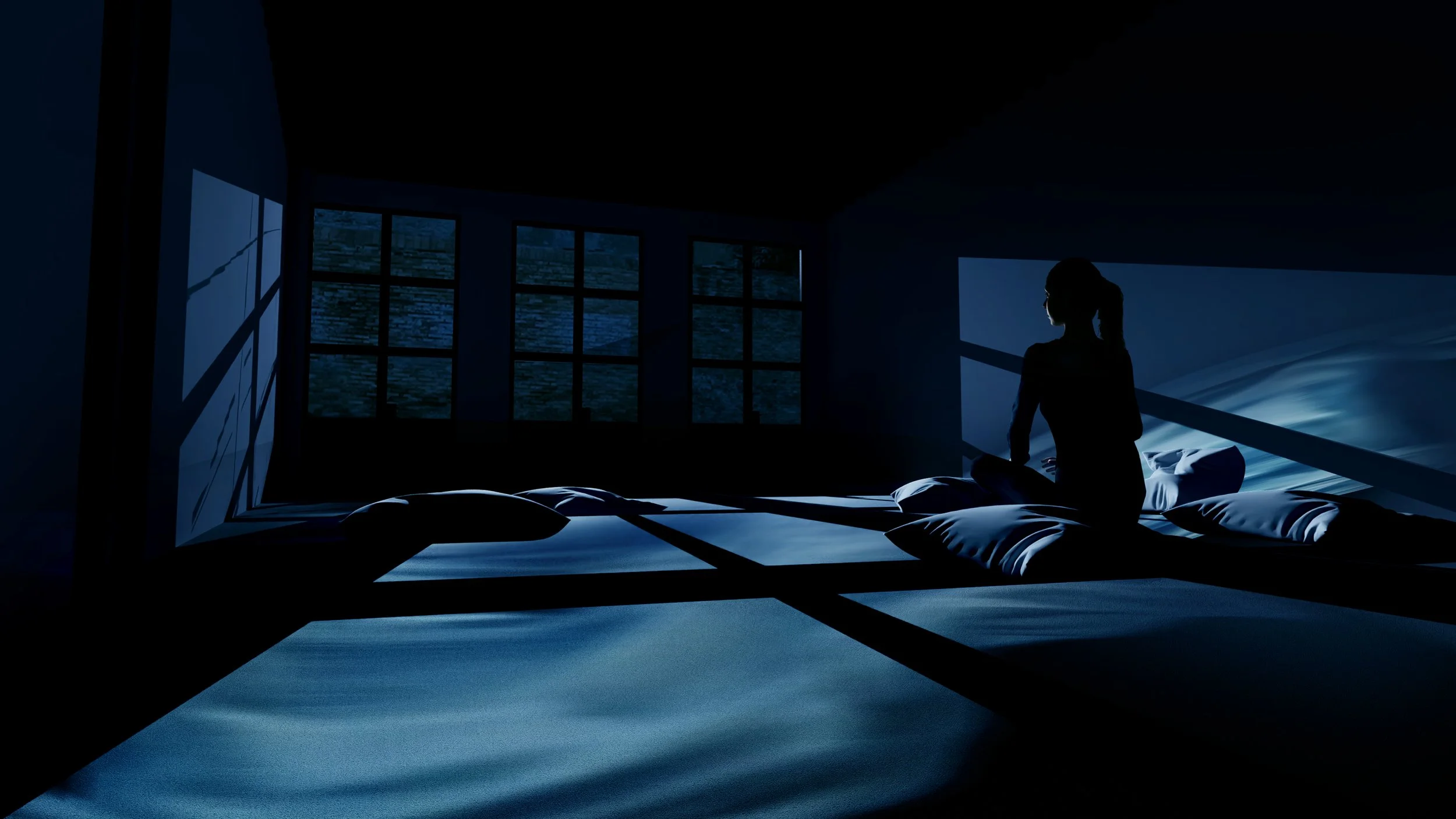
Kingsley Ng, Laundry Nocturne (Rendering), 2026 Venice Biennale 2026.
Elsewhere, the Singapore Pavilion presents a new commission by Amanda Heng, whose work spans performance, installation and participatory practice, while Hong Kong’s presence is shaped through the work of Kingsley Ng and Angel Hui, exploring everyday experience through light, sound and spatial intervention.
Beyond Asia, European contributions continue to anchor the Biennale’s dialogue. Belgian artist Koen Vanmechelen presents a major sculptural exhibition exploring hybridity and identity, while Czech artist David Černý brings a more confrontational, politically charged perspective through large-scale works that interrogate power and cultural memory. In Venice’s historic basilicas, Barry X Ball’s sculptural interventions introduce a dialogue between Renaissance tradition and contemporary technology, further expanding the conversation across time.
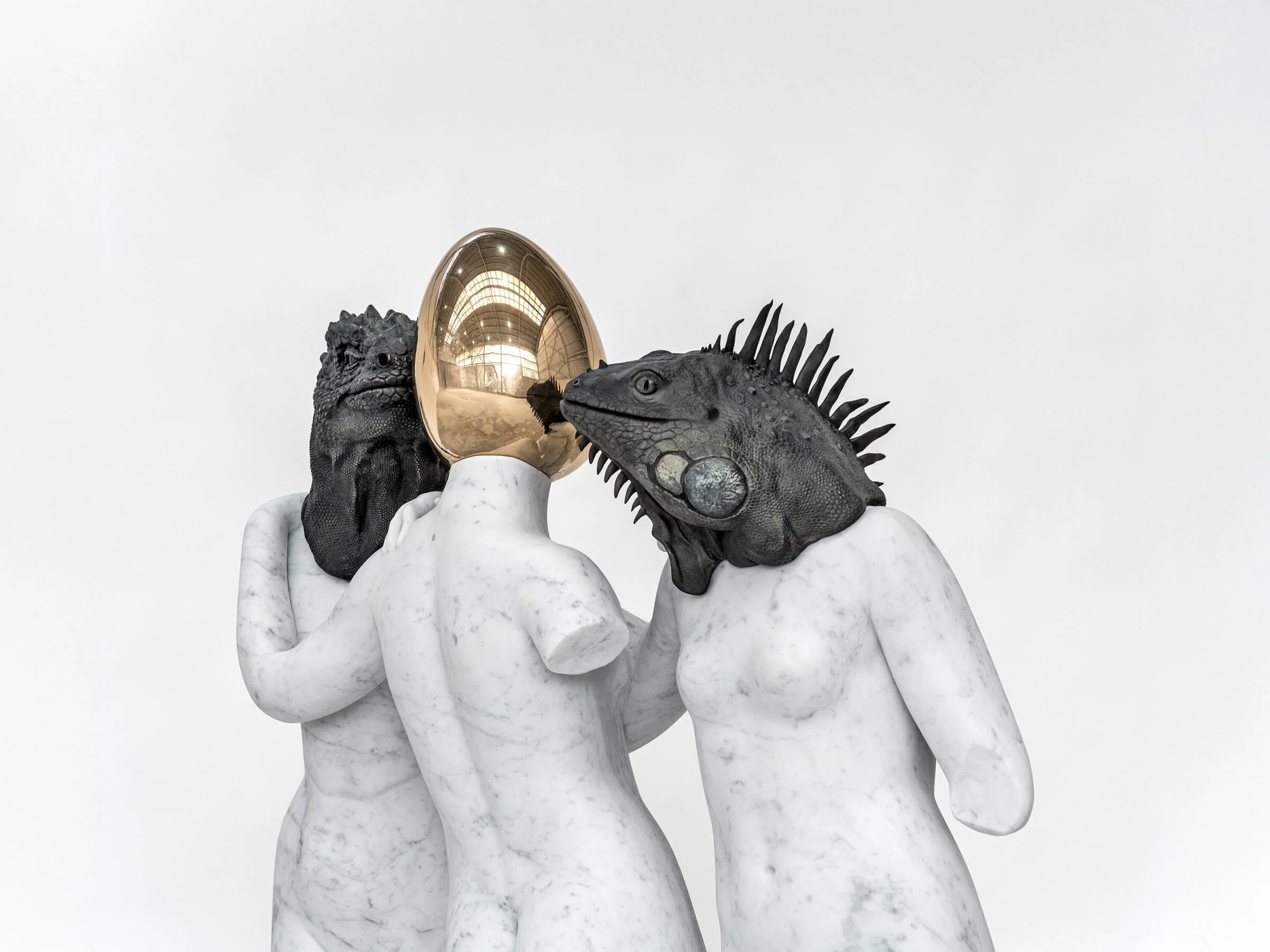
Will we ever exist, Carrara White marble, patinated bronze, 220 x 200 x 100 cm © Koen Vanmechelen, photo by Laura Veschi.
The broader appeal of the Biennale lies in this tension between national identity and a shared global language. The most compelling pavilions operate within this in-between space, where local narratives evolve into universal questions around culture, place and belonging. For visitors, the pavilion route remains one of the most rewarding ways to experience the Biennale: moving between architecture, atmosphere and ideas, each space asking for a different pace of attention.
Artists Defining the 2026 Programme
Across the central exhibition and collateral events, a number of key figures stand out.Laurie Anderson brings her signature blend of sound, storytelling and performance, while Carsten Höller continues to explore perception and participation through immersive environments.
Otobong Nkanga offers a material-led perspective on landscape and resource, and Alvaro Barrington contributes a contemporary, culturally layered approach to painting and installation.
Together, they reflect the breadth and complexity of contemporary practice today.
Beyond the Biennale: Venice as a Cultural Landscape
During the Biennale, Venice itself becomes part of the exhibition. Palazzos, foundations and hidden courtyards host parallel shows, while the city’s wider cultural calendar expands to include theatre, dance, music and film. From late-night performances to quiet morning exhibitions, the experience moves beyond the formal structure of the Biennale into something more holistic.
Read our Hotel Cipriani reimagined by Peter Marino here
What defines this year’s edition is its tone.
In a cultural landscape often driven by scale and visibility, Venice Biennale 2026 offers something more measured. A return to space, atmosphere and emotional engagement.For the Fluxx reader, Venice Biennale 2026 positions the city not just as a cultural destination, but as a design-led, experience-driven environment.
DISCOVER MORE FLUXX ART & CRAFT NEWS