In Conversation With: Amy Heffernan
Some careers are built on a single unmistakable eye and Amy Heffernan's is one of them. After fifteen years at Wallpaper* magazine, sourcing new design at international fairs and helming still-life shoots that shaped how a generation pictured contemporary design, Heffernan has spent the years since 2020 working independently across interiors, styling, curation and set design, with clients spanning retail, publishing and private commissions.
She is currently Style Editor-at-Large at Elle Decoration UK, and her work sits at the meeting point of considered object and considered space, a practice built, as she puts it, around "beautiful considered objects be they contemporary design or craft."
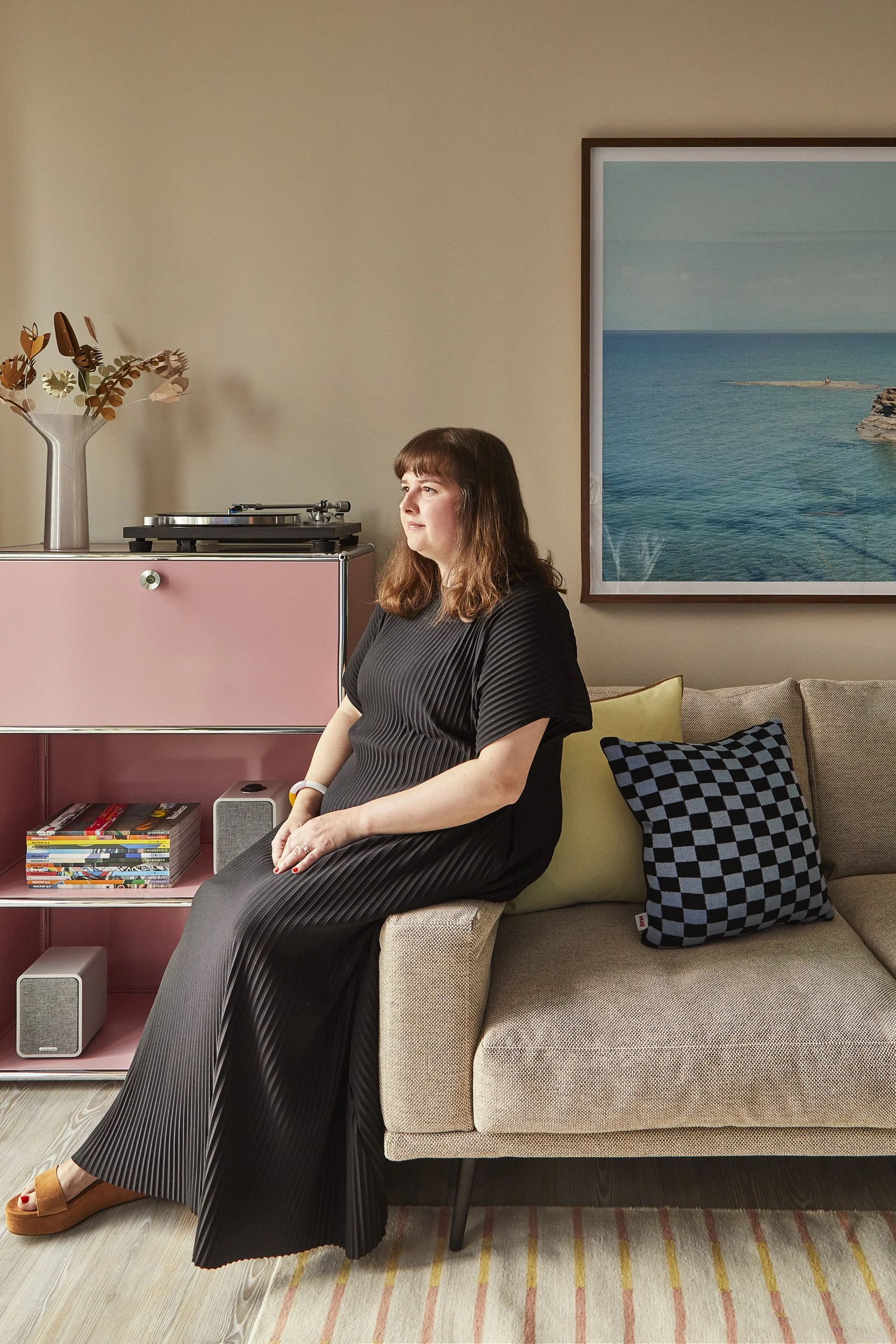
Based in North London, when she isn't on set she's visiting heritage buildings, painting in her studio, or balancing it all with family life. Ahead of a new shoot landing in Elle Decoration’s December issue (UK), THE FLUXX sat down with Amy to talk formative influences, the shifting geography of British interiors, and why she thinks design should be a long-term choice, not a passing trend.
In Conversation With: Amy Heffernan
How did your journey into the design world begin, and what early influences continue to shape your creative perspective today?

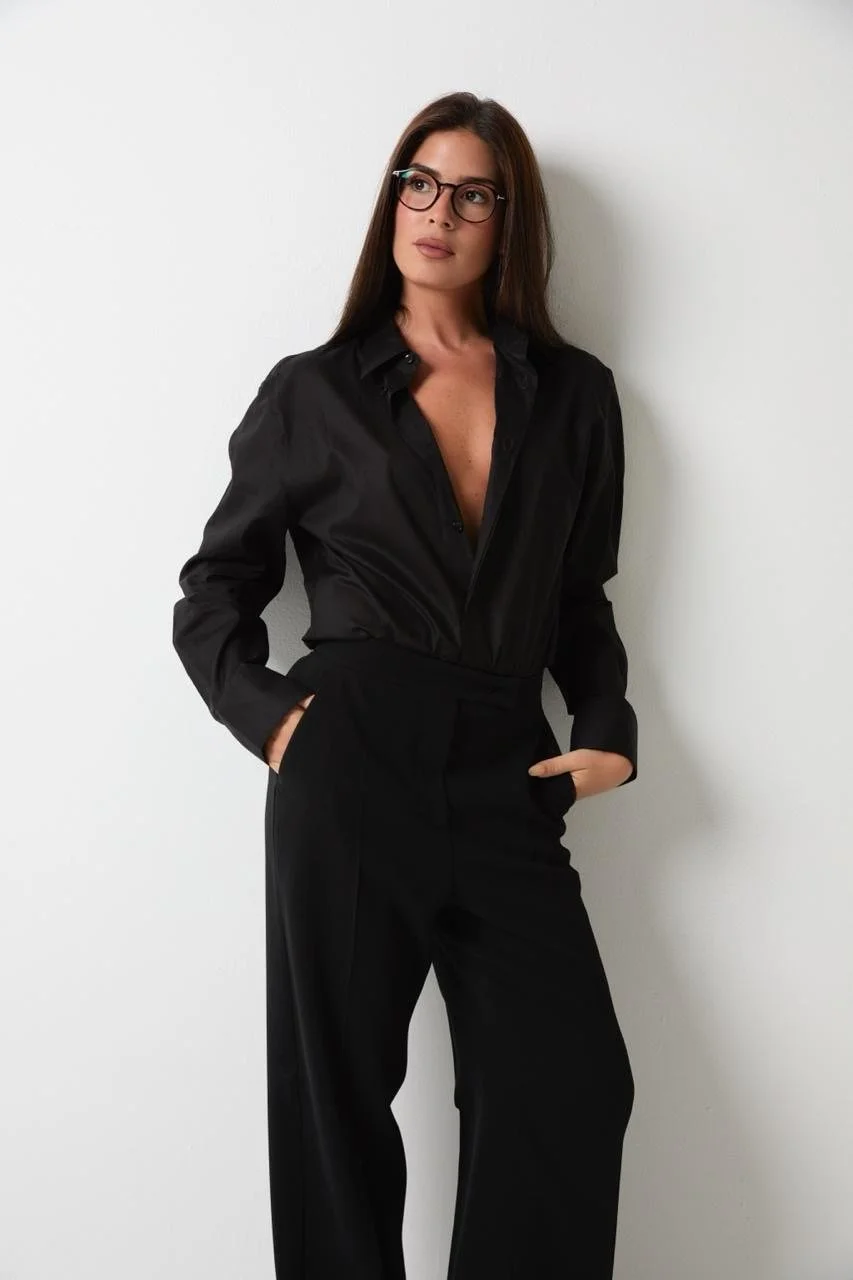
Photography, Elle Decoration anniversary cover. Image Jake Curtis.
My design journey began with a degree in theatre design at Central Saint Martins in London, the teaching focused on researching a text and defining its core to tell a visual story. This is very much how I approach briefs today: listening and noticing to determine what I can contribute to create something special. Well before that, however, my childhood weekends were spent exploring The Conran Shop with my parents who loved design and holidays watching old Hollywood movies, starting an early, fascination with both modern design and the grand studio sets of the 1940s.
With over 16 years in the industry, how has your approach to creative direction evolved, and what continues to challenge or excite you?
At the start of my career my time was focused on assisting and learning on the job, this was a valuable time to understand the creative but more importantly the logistical and organisational elements of all projects. With experience I am focused and know where to devote my time. With experience, I focus on taking a practical and economical approach, making the most out of each project for the client. I greatly enjoy having the chance to give independent creatives a platform, whether that is featuring their work editorially or having the opportunity to buy works to include in an interior. Personally I am excited by creating colour combinations through my paintings.
British interiors have long been rooted in heritage and tradition. How do you see this evolving today, and where are we embracing a more contemporary or global design language?
Over the last six years we have seen a big shift in interior design in the UK. There has been deep growth in interior design projects featuring a contemporary style, using strong colours and bold direction. Some have been stunning and extremely successful while others feel temporary and too closely linked to social trends. Interiors used to be firmly rooted in West London and the Home Counties with Chelsea at its core but we are definitely seeing a spread across the UK with the rise in content creators influencing home owners with a more international design language.
From your perspective, which countries or cities are currently leading the most compelling conversations in interiors and design?
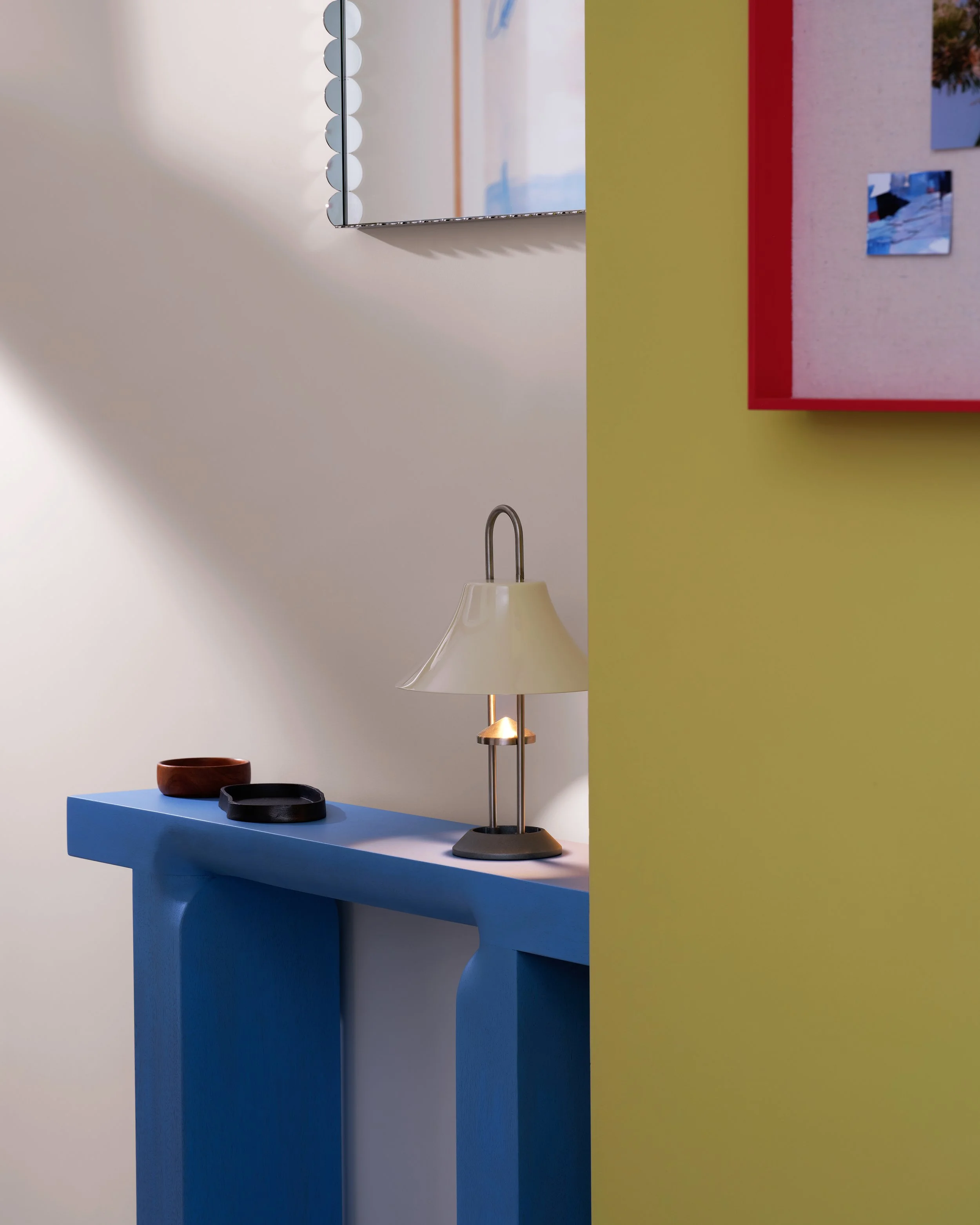
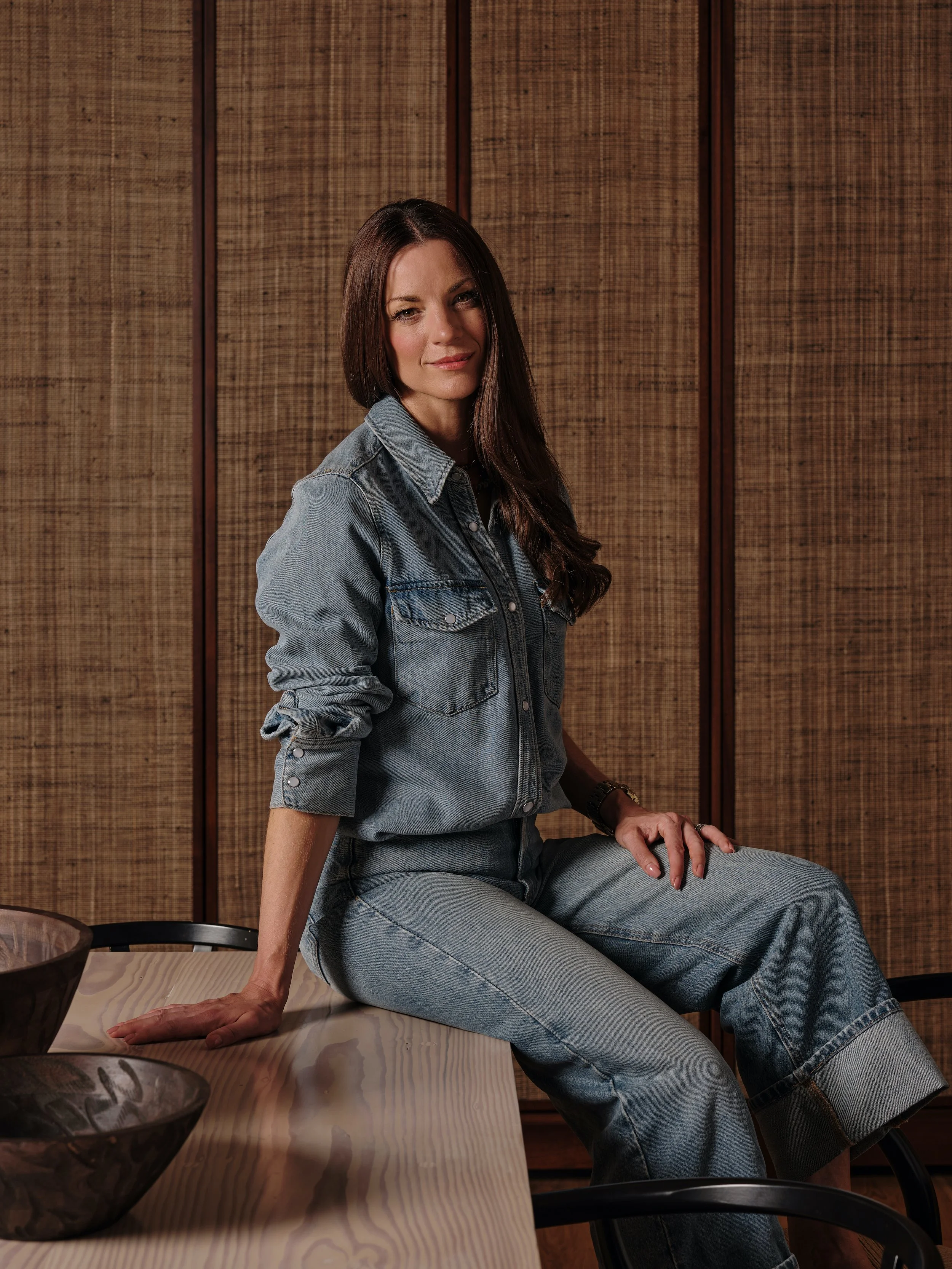
Photography, Bethany Crutchfield, Coppermaker.
Looking overseas Denmark with its continued contemporary aesthetic leads the way in material choices. I always take an interest in furniture designers in South Korea for their bold contemporary take on colour. Italy will always, I hope be a powerhouse in modern design with their heritage knowledge of making combined with commissioning cutting edge designers.
Having worked across leading titles and international projects, how do you see the role of global design fairs and exhibitions shifting today? Are there emerging regions or markets that feel particularly important right now?
We have seen a real shift in fairs and exhibitions moving away from trade stands in far away convention centres and a move into city centres. This allows a real chance for visitors to soak up local culture and also see pieces in more realistic contexts. Copenhagen's Three Days of Design is going from strength to strength and becoming a true competitor or true compliment in a sense to Milan Design Week.
Design fairs are moving closer to the feel of a festival. Driven by a desire to create interactive installations for social media use there is now an expectation for public works to be bigger and better than before. These have become meeting places, ironically through creating sets for social media use they have become a place to for real in-person connections which people are craving.
In a time of uncertainty, I feel it is hard for new markets to truly emerge, brands and visitors want to be certain they are going to see or be seen and have a guarantee it was worth the investment.
Which designers or studios are capturing your attention now? Are there names we should be watching closely?
For me I am obsessed with the work of Natalia Criado, a designer of objects, born in Colombia and based in Milan, I love her aesthetic and use of metal and shape.
As Style Editor-at-Large at Elle Decoration UK, you are constantly exposed to new ideas. What recent discoveries or shifts in aesthetic have genuinely stood out to you?
There is a big push on works in glass and metal, from objects through to furniture in the contemporary sphere. Stylistically in parallel we are seeing a resurgence of a classic formal look, previously seen only in grand houses and now much more readily available at every purchase level, by example: upholstered seating with piping, wall hung tapestries and carpets.
Your work spans styling, curation, interiors and creative direction. What projects are you currently working on, and how do you approach balancing such a diverse portfolio?
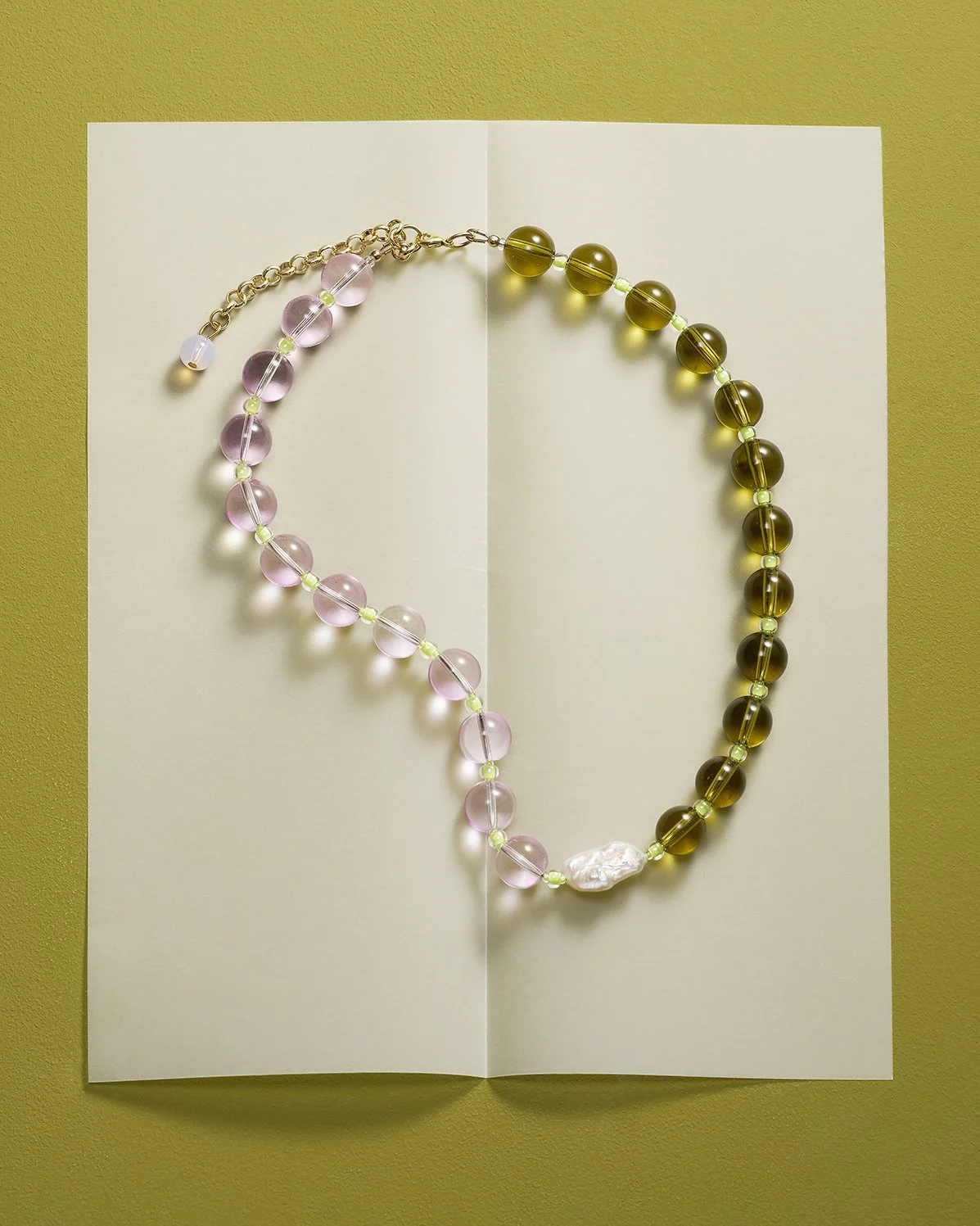
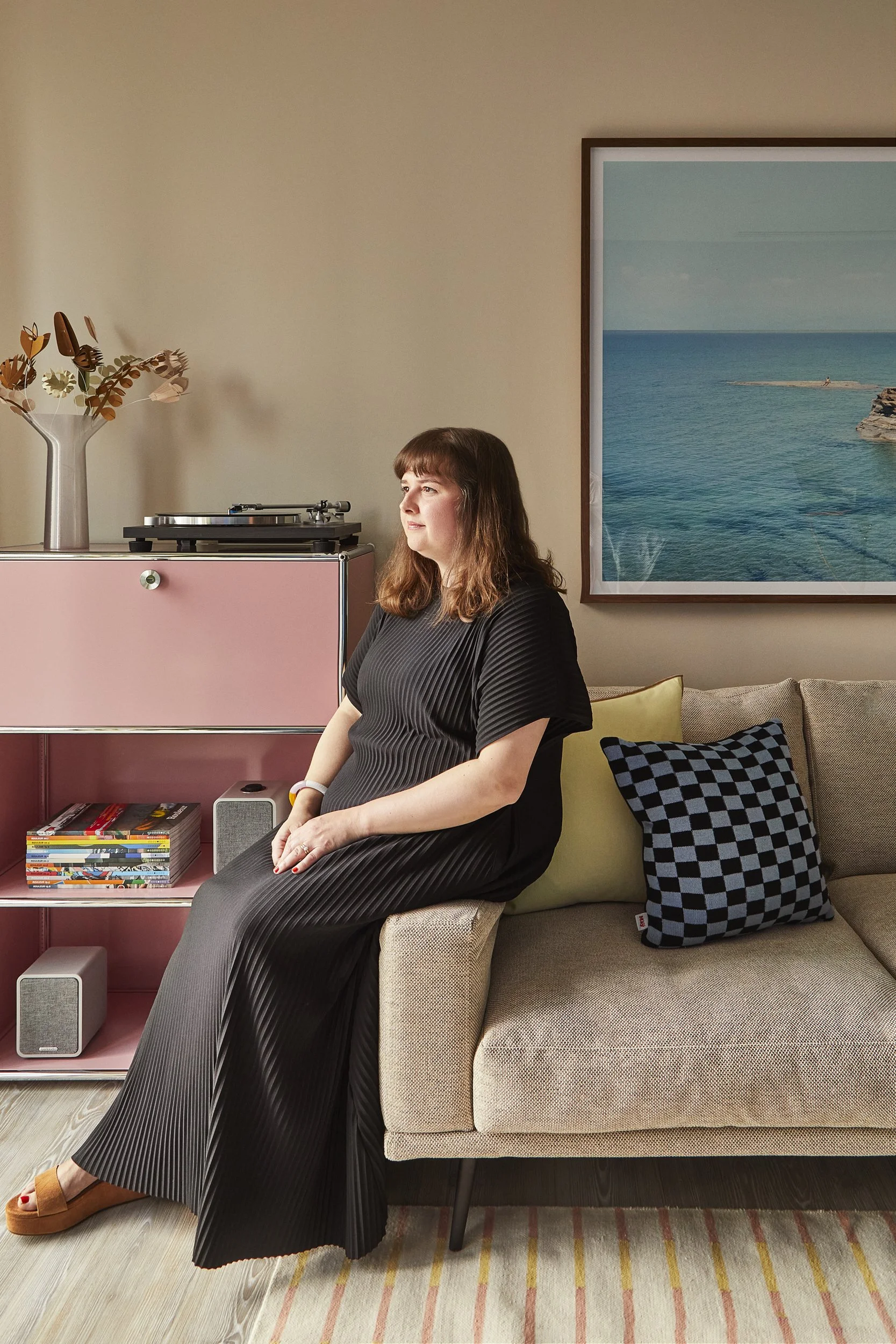
Photography, V&A East Amy Currell.
Currently I am working on a series of images for the V&A shops, a great opportunity to work with gifting retail in a still life context. I have just created a cosmic furniture and still life shoot for the December issue with photographer Cameron Bensley which will be out in Elle Deco UK’s November issue and I’m excited to share it. In my spare moments I am painting and working on a series of shape and colour.
When bringing together collaborators across disciplines, what defines the right creative synergy for you?
I greatly enjoy collaboration, every photoshoot brings a creative discussion between the photographer, interior stylist and client. Successful projects have a healthy mix of ideas between those involved to create, image making is not made in silos. There is no definition of the correct recipe, just a creative opportunity when you find someone with an aligned creative eye, a chance to make something unique.
Travel often plays a key role in creative renewal. Are there destinations you return to for inspiration, or recent places that have left a lasting impression?
Travel certainly offers me a great deal of inspiration, often however not in the art galleries or places of interest but in mundane domestic design, the metro platform, building entrances, a bus stop or street signs. Municipal design shows great shapes and colour combinations which often act as a seed of an idea for future projects.
Are there any restaurants, hotels or bars whose design and atmosphere you particularly admire right now?
I will always love Bar Luce at Fondazione Prada in Milan It may be an obvious choice, but the interiors are so pleasing and follow through the art direction right down to every choice including the napkins. In London it would be Jolene, the brand identity is genius design by Studio Frith.
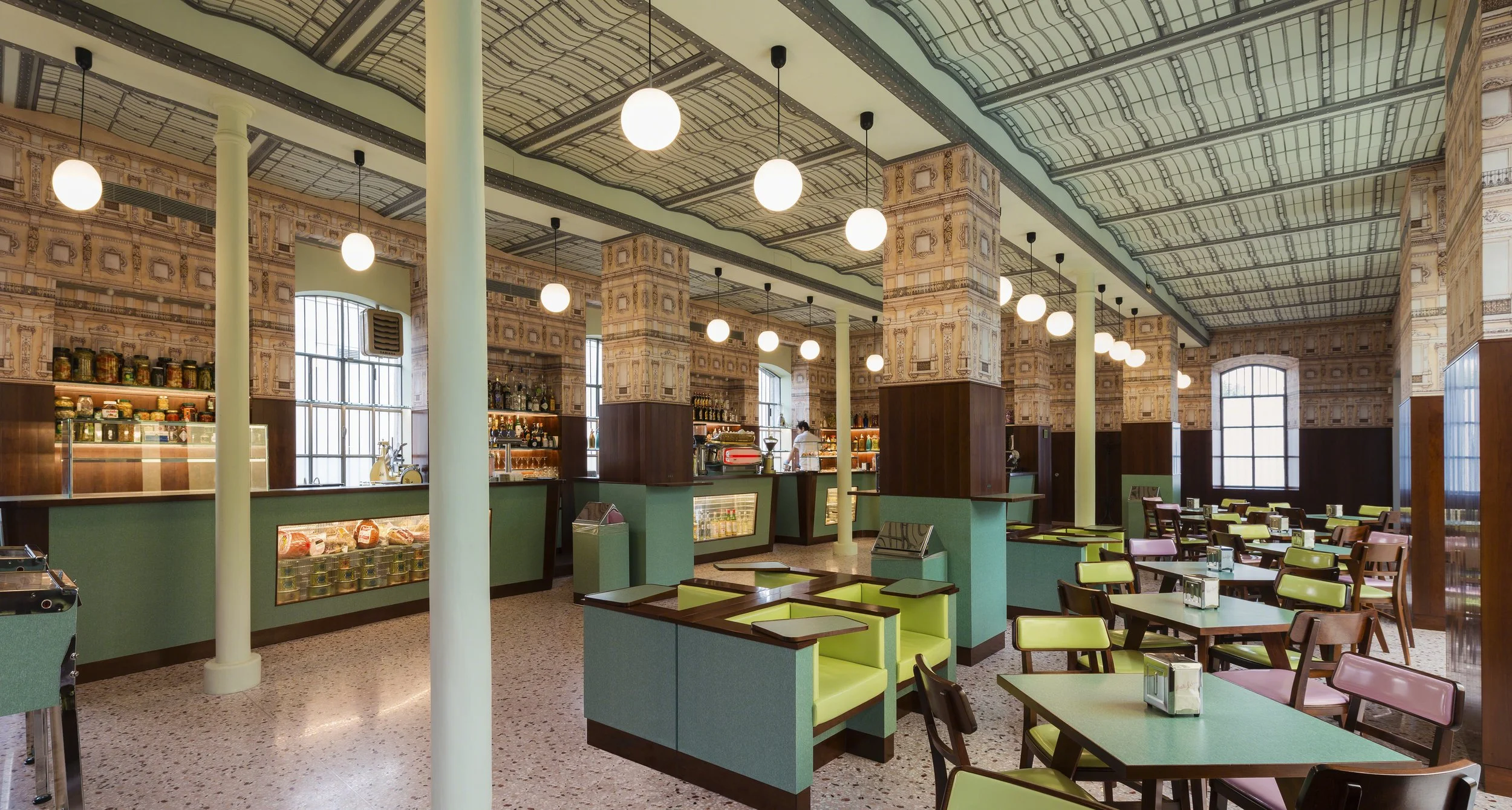
Wes Anderson, Interior Fondazione, Prada, Bar Luce, Milan.
What would you like to see more of in the design world over the next few years? And perhaps just as importantly, what do you think we could leave behind?
I would like to see projects using vintage pieces or re-using pieces previously in situ but revitalizing them. Questioning change- what change is needed and not being afraid to keep details which are working still. In terms of furniture design looking at affordable good design for younger generations that cannot afford the cost of 'design.'
discover more fLUXX interviews