In Conversation With: Rebecca Hughes
Rebecca Hughes builds homes the way the best editors build a story: with a point of view, a sense of restraint, and an instinct for what to leave out.
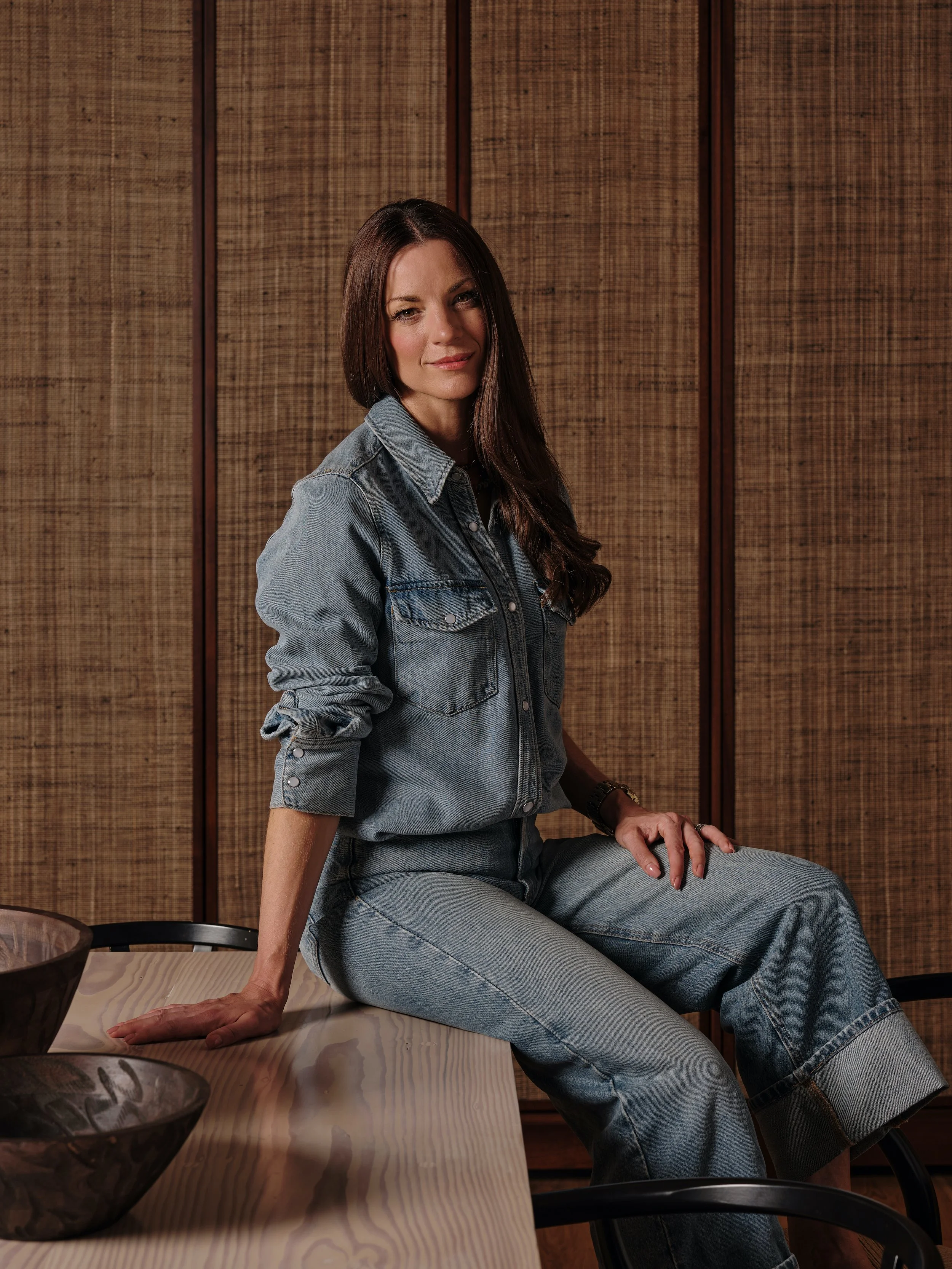
Photography, Founder & Creative Director of Rebecca Hughes Interiors.
At the helm of Rebecca Hughes Interiors, she has become the design partner of choice for a new generation of design-literate, fashion-forward families, the kind who arrive with a Pinterest board in one hand and a fully formed sense of self in the other. Her work threads classic British sensibility, rich colour and layered pattern through interiors built for real life rather than display, from a St. John's Wood townhouse with a pink kitchen and mint green boot room, to homes shaped by the stately grandeur of Hatfield House and Kenwood House. In this instalment of In Conversation With, Hughes talks liveability over ostentation, the myth of the designer who "just picks fabrics," and the Provençal markets and Marrakech souks that keep her sourcing sharp.
For readers meeting you for the first time, how would you describe what Rebecca Hughes Interiors does differently from a traditional interior design studio?

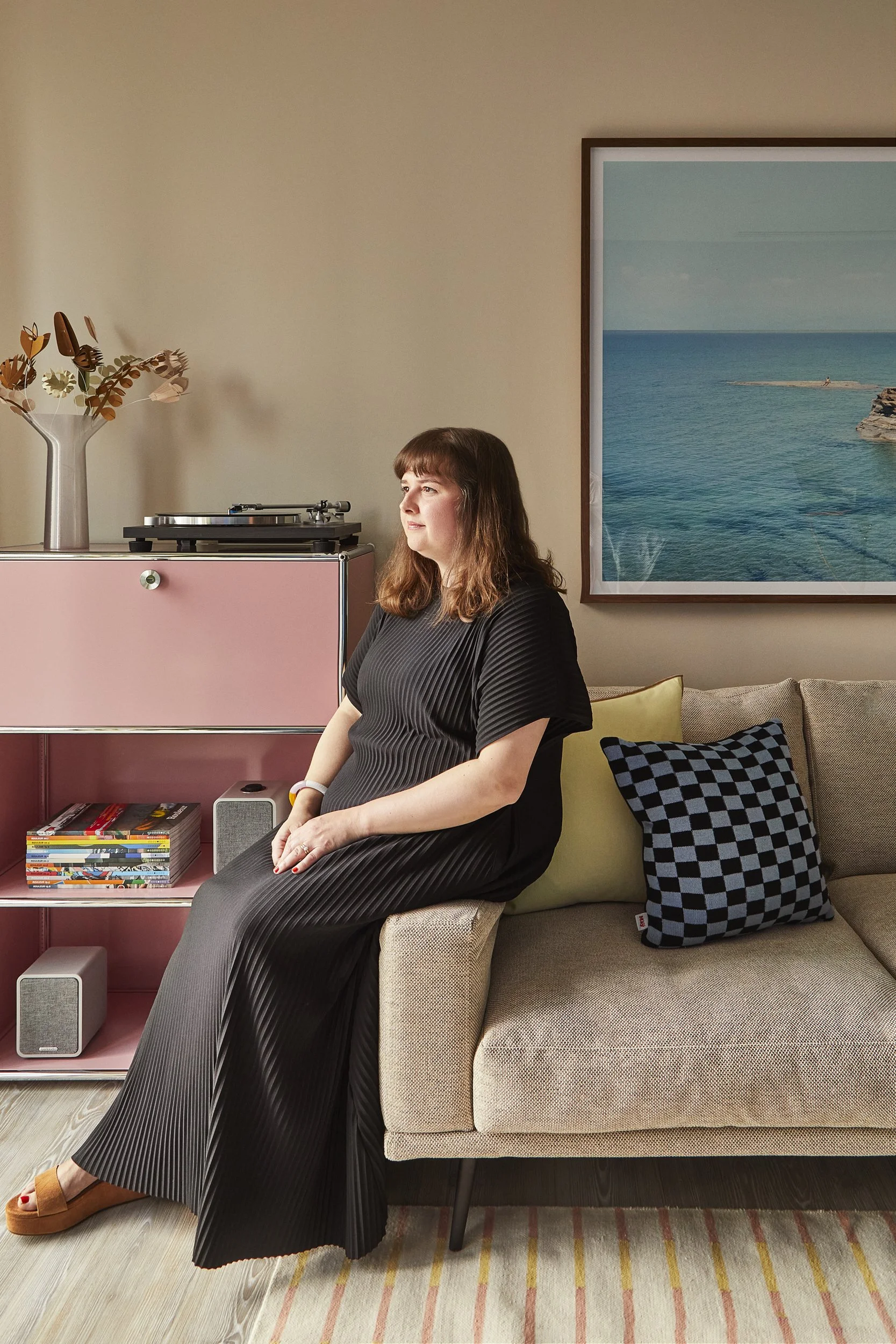
Photography, Hampshire Project, Astrid Templier.
At Rebecca Hughes Interiors, we see ourselves as creative partners rather than a traditional interior design studio. We work with clients who are deeply engaged in the process and often come to us with a clear sense of their own style, shaped by everything from fashion and travel to art and architecture. Our role is to interpret those ideas and transform them into homes that feel deeply personal, thoughtfully curated, and enduring.
Our studio aesthetic is rooted in timeless British design, balancing classic and contemporary influences with warmth and character. We love working with rich colour and layered pattern, creating interiors that feel collected rather than overly decorated. Bespoke pieces sit comfortably alongside carefully sourced antiques and vintage finds – creating homes with depth, individuality, and a sense of history.
Was there a specific project or client relationship that first showed you the shift toward this new generation of design-literate, UHNW clients?

Photography Astrid Templier, St John's Wood Town House.


My St. John’s Wood Townhouse project really highlighted this shift for me. It was created for a young, fashion-forward family who were incredibly design-literate and arrived with a clear vision for how they wanted their home to feel. They weren’t afraid of bold, playful choices, opting for a pink kitchen and a mint green boot room that reflected their personalities. Increasingly, I find that my clients have a strong point of view before we even begin. My role is to refine those ideas, bring them to life with confidence and cohesion, and help them realise a vision that feels both highly personal and beautifully executed.
You've spoken about prioritising liveability over ostentation. How do you translate that into a design decision when a client could easily afford the opposite?
We always design around the way our clients want to live, so every home is shaped by their individual style, routines, and aspirations rather than by trends or displays of wealth. For me, prioritising liveability over ostentation means creating spaces that are as functional as they are beautiful. Luxury should never exist purely for its own sake – it should enhance everyday life.
The most successful interiors are those where form and function are seamlessly intertwined. Whether it's choosing durable yet exquisite materials, designing bespoke joinery that solves practical challenges, or creating spaces that feel intuitive to use, every decision is made to elevate the experience of living in the home.
You've described a notable rise in young, high-net-worth families seeking comprehensive design services. What's the biggest misconception these clients arrive with about what a designer like you does?

One of the biggest misconceptions is that interior design is purely about aesthetics. Many people initially think our role is to choose colours, fabrics, and furniture, when in reality we're involved in every aspect of shaping how a home functions and feels.
The younger generation of clients we work with quickly realise that great design is as much about solving problems as it is about creating beautiful spaces. We oversee everything from spatial planning and designing bespoke joinery to managing countless design decisions and ensuring every detail works cohesively. Ultimately, our role is to simplify what is an incredibly complex process, giving our clients the confidence that every decision is intentional.
These families often come from creative or entrepreneurial backgrounds. How does designing for someone who already has a strong visual language of their own change your process?

Photography Astrid Templier. Pink bathroom roll top bath, Kensington Town House Project.
Clients from creative backgrounds often have a very well-developed visual language and a strong instinct for what they like. They usually arrive with a clear vision of how they want their home to look and, more importantly, how they want it to feel.
That said, it's not uncommon for them to bring a collection of Pinterest boards and references that span several different aesthetics. My role is to distill those ideas, identify the common thread running through them, and translate them into a cohesive design that feels authentic to the client rather than a collection of disparate influences. It's about giving clarity and confidence to their vision.
You've said clients are interested in the story behind each piece and the sustainability credentials of materials. How do you balance that appetite for provenance with the practical realities of a project timeline and budget?

Transparency is fundamental to the way we work. From the outset, we're honest about budgets, timelines and the realities of delivering a bespoke home. It's important that clients understand that, while every project is carefully managed, there can be complexities along the way. Setting clear expectations from the beginning builds trust and gives clients the confidence that every detail is being handled.
When a client falls in love with a piece that requires specialist craftsmanship or is particularly difficult to source, we're always upfront about how that may affect the programme. Rather than compromising on the vision, we work collaboratively to balance their priorities, adapting our approach to deliver the best possible outcome while keeping them informed at every stage.
What has been a continual inspiration throughout your career?
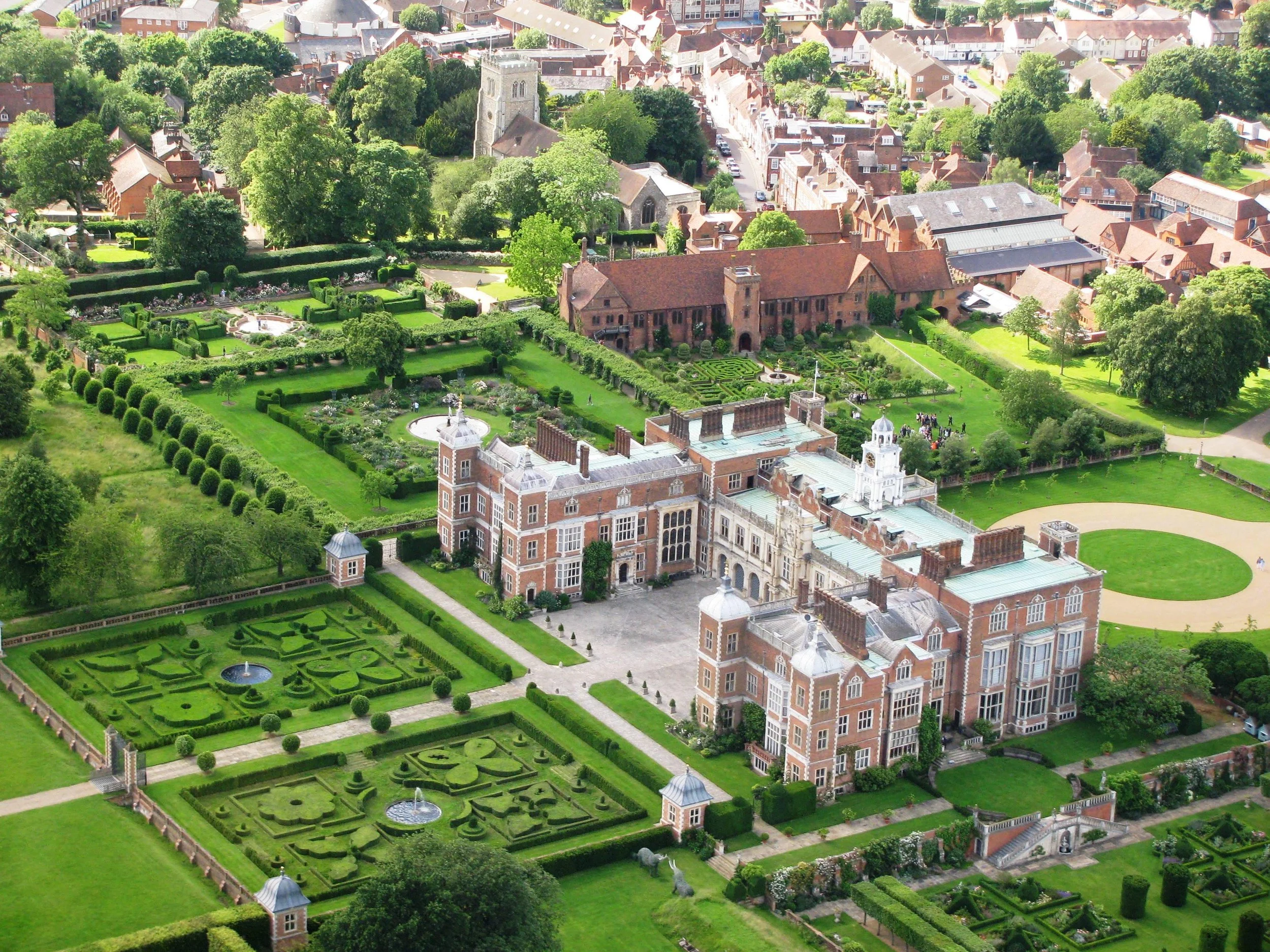
Photography, Hatfield House.
Travel, art, and historic architecture are constant sources of inspiration for my work. I particularly love visiting Britain's great stately homes, especially when I'm working on Grade II listed properties, as they offer an invaluable understanding of period architecture, craftsmanship, and the way historic interiors have evolved over time.
Places such as Hatfield House and Kenwood House embody a sense of permanence and artistry that feels increasingly rare. There's a richness to these interiors that comes from contrast: grandeur balanced with intimacy, bold architectural statements softened by intricate detailing. I'm fascinated by the way colour, texture and proportion are used to shape atmosphere, whether it's the drama of a formal dining room or the quiet elegance of a library.
I'm never interested in recreating these interiors literally. Instead, I look to translate their enduring qualities into homes that feel relevant for modern living.
Travel is often a source of creative renewal. Are there destinations you consistently return to, or recent discoveries you’d recommend to readers seeking culture, design and atmosphere?
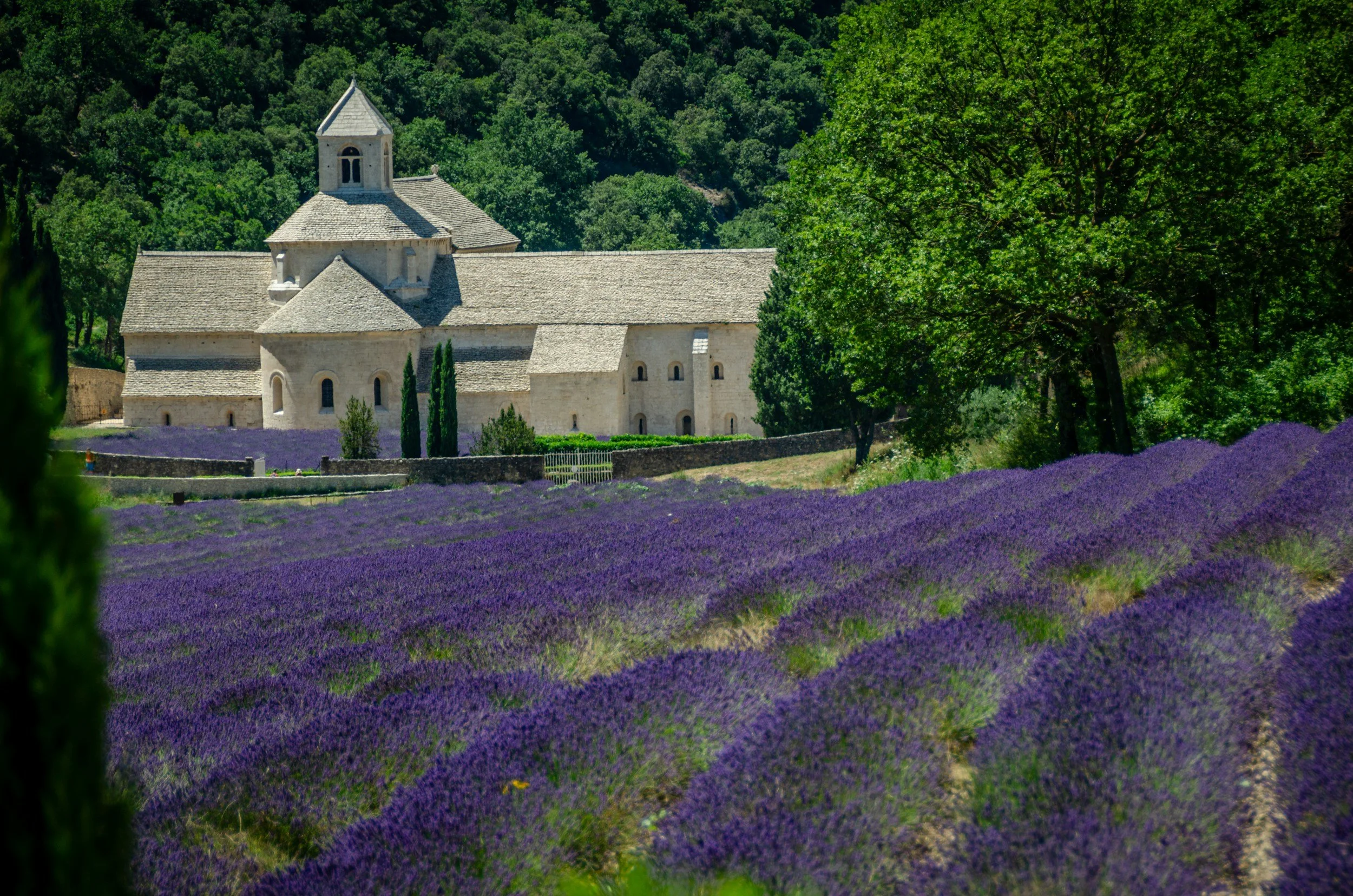
Travel is one of my greatest sources of creative inspiration, and there are a few places I return to time and again. Provence, the South of France, Tuscany and Marrakech each have a distinct design language, yet they all share a deep appreciation for craftsmanship, heritage, and a sense of place.
In Provence, I never miss the markets at L'Isle-sur-la-Sorgue. They're full of beautifully weathered antiques and decorative objects that capture the effortless charm of French country living. You find pieces with real history and character, and they're a wonderful reminder that the most interesting interiors are often layered over time rather than acquired all at once.
Marrakech is endlessly inspiring for entirely different reasons. The richness of its colour palette, intricate tilework, and handwoven textiles offer endless lessons in how to combine bold hues and patterns with confidence. Every trip leaves me with new ideas, not to replicate, but to reinterpret in a way that feels fresh and personal for each client.
Beyond interiors, are there restaurants, hotels or bars whose sense of style you find especially compelling?
La Residencia, Mallorca
La Residencia is firmly at the top of my wishlist for a child-free escape to Mallorca. There's something incredibly special about the way it balances understated luxury with an unmistakable sense of artistry and bohemian charm. It feels less like a hotel and more like a beautiful home with a creative soul.
The Dover is one of the most romantic restaurants I've ever visited. The way the interiors use lighting to create a sense of intimacy is exceptional – every table feels tucked away, even when the room is full. It's a masterclass in atmosphere and one of those rare spaces that feels effortlessly seductive.
Château Voltaire, Paris
Château Voltaire is the perfect boutique address for a Parisian stopover. I love the interplay of crisp, contemporary lines with beautifully curated antiques, creating interiors that feel both timeless and quietly luxurious. Every detail is considered, making it an effortlessly elegant place to stay.
Discover More Fluxx News