Fritz Hansen × Technics: the Quiet Return of the Listening Room
At 3 Days of Design 2026, two houses built on precision, a 19th-century Danish furniture maker and the Japanese brand that scored hip-hop and the rave, meet over a Bauhaus lamp and a turntable, both in deep burgundy. THE FLUXX on light, sound, and why we are learning to listen at home again.
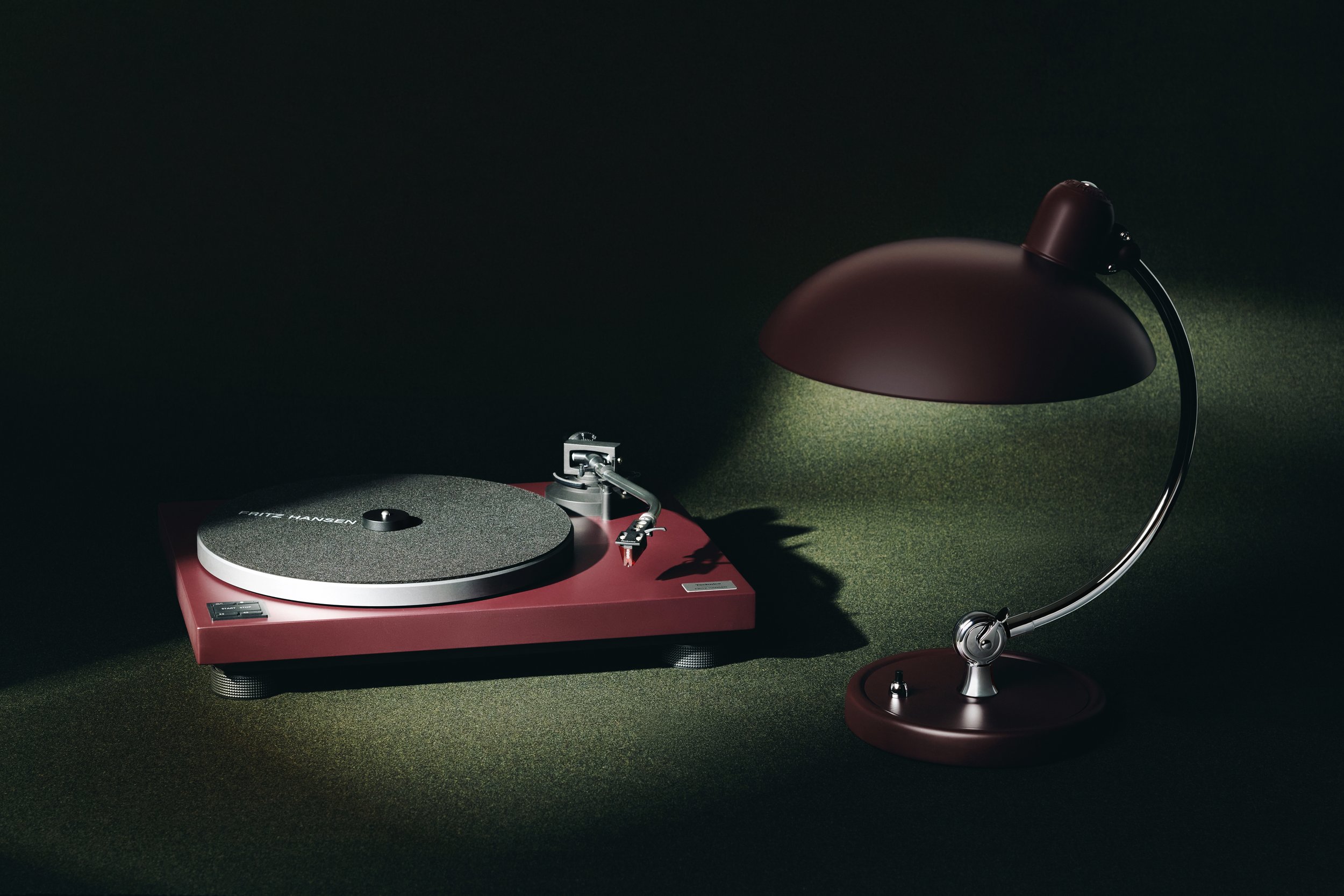
Photography courtesy of Fritz Hansen X Technics, 3 days of design 2026.
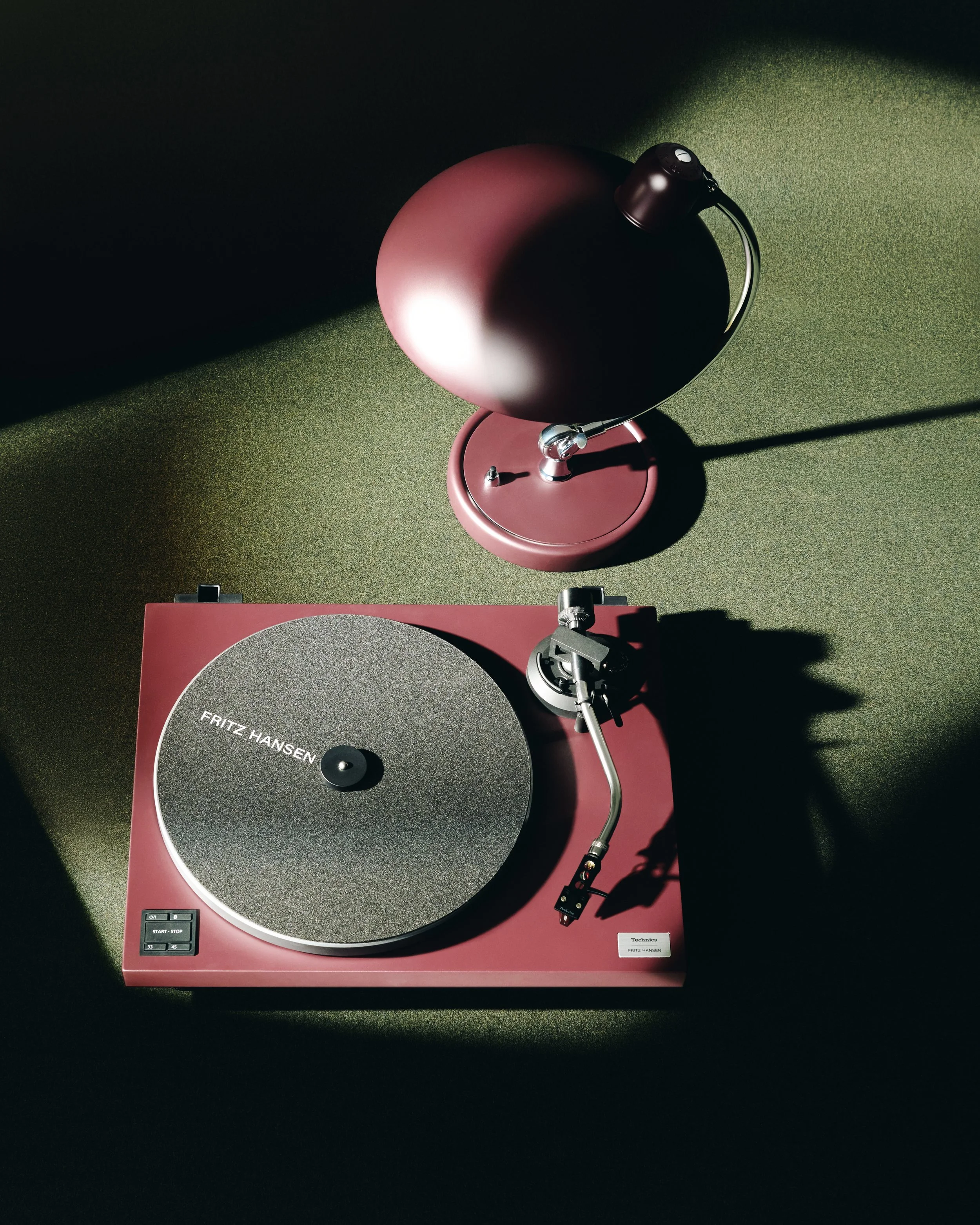
The Fluxx Edit — Design & Technology
There is a sound that an entire generation can summon from memory: the soft mechanical clunk of a tonearm settling, the half-second of surface hiss, then the drop. For decades that sound lived in bedrooms and basements, in radio booths and, most consequentially, in the hands of DJs who turned a piece of Japanese hi-fi into the engine of modern music. This June in Copenhagen, it returns to the place it arguably belongs, the considered interior — by way of an unlikely and rather beautiful pairing.
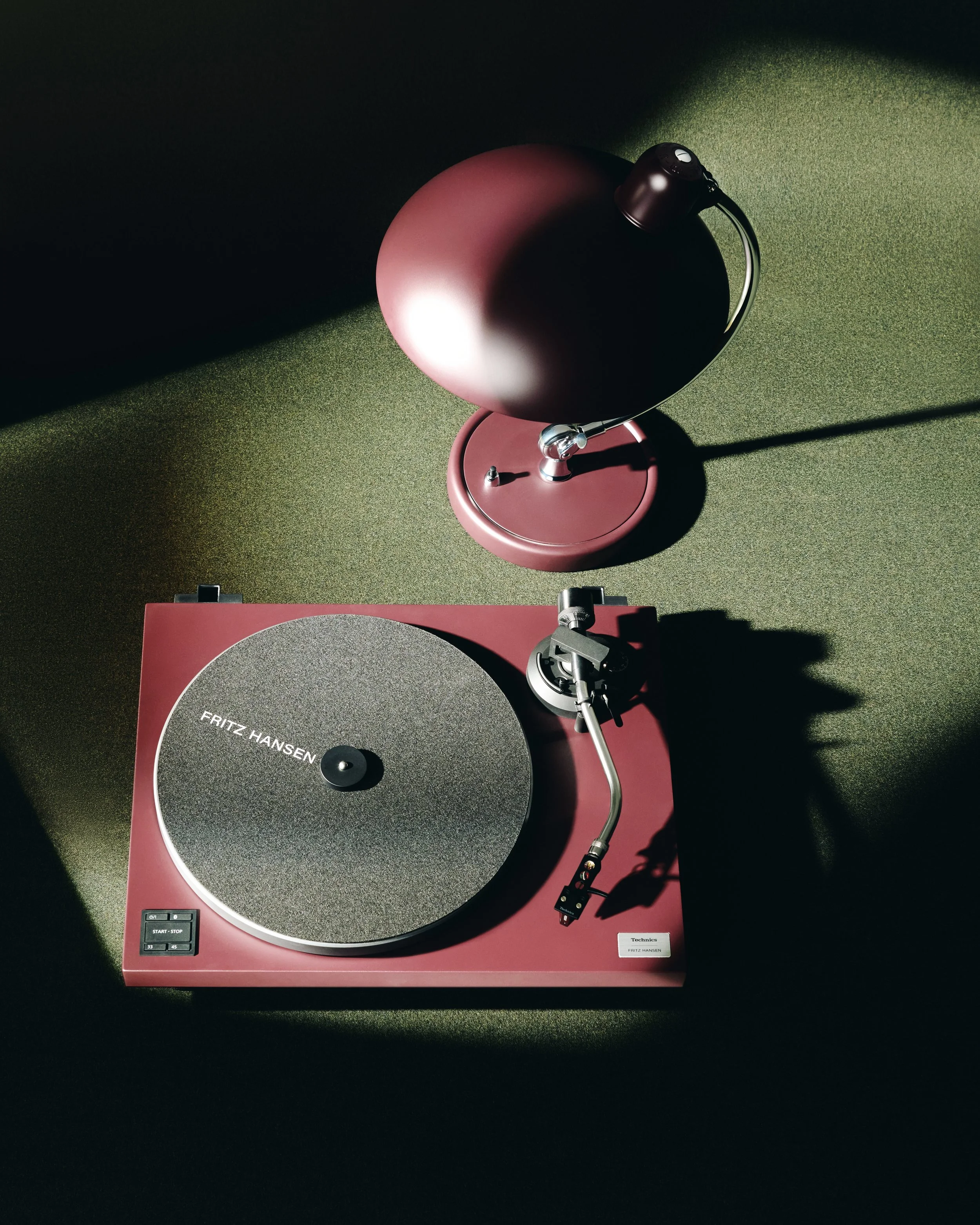
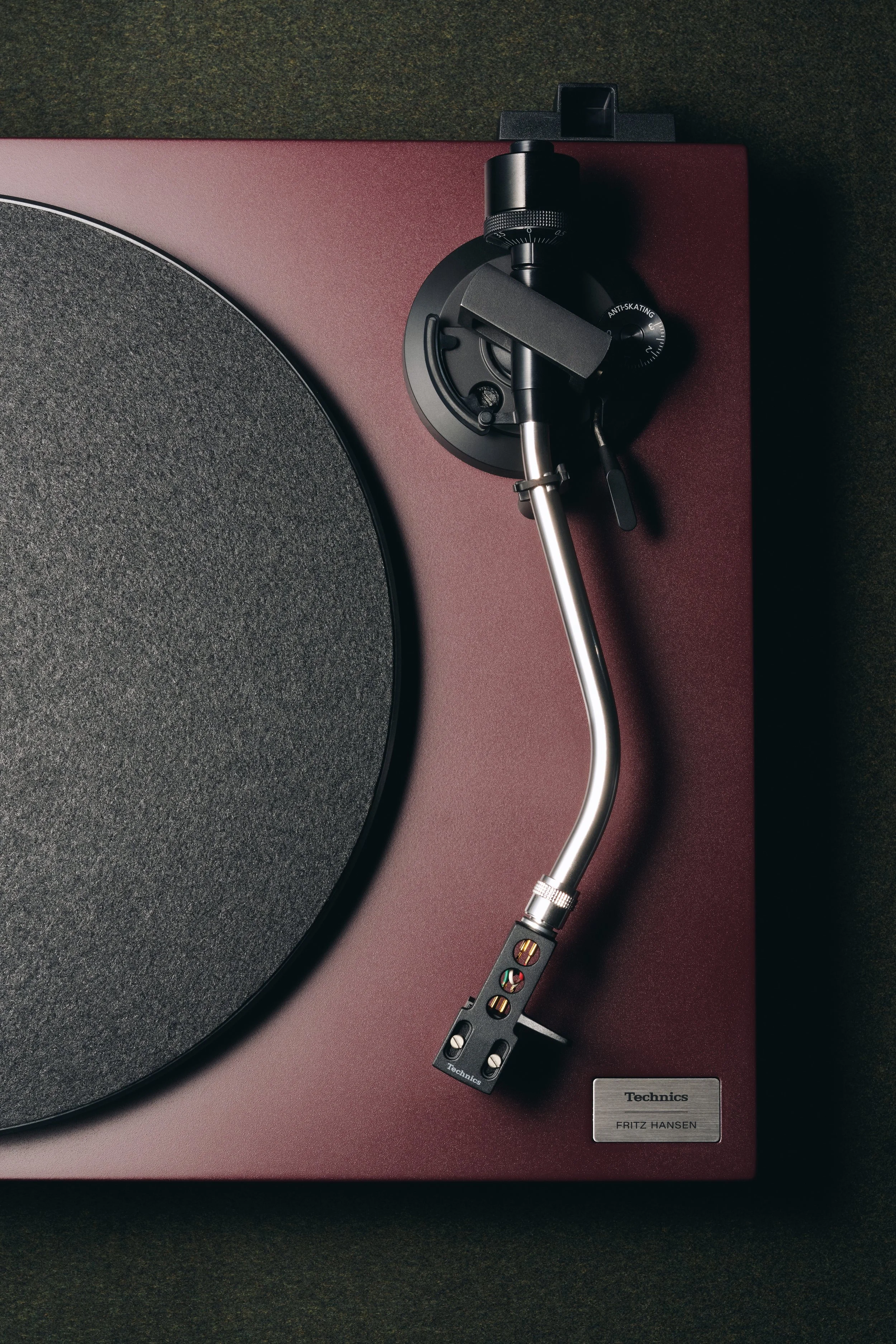
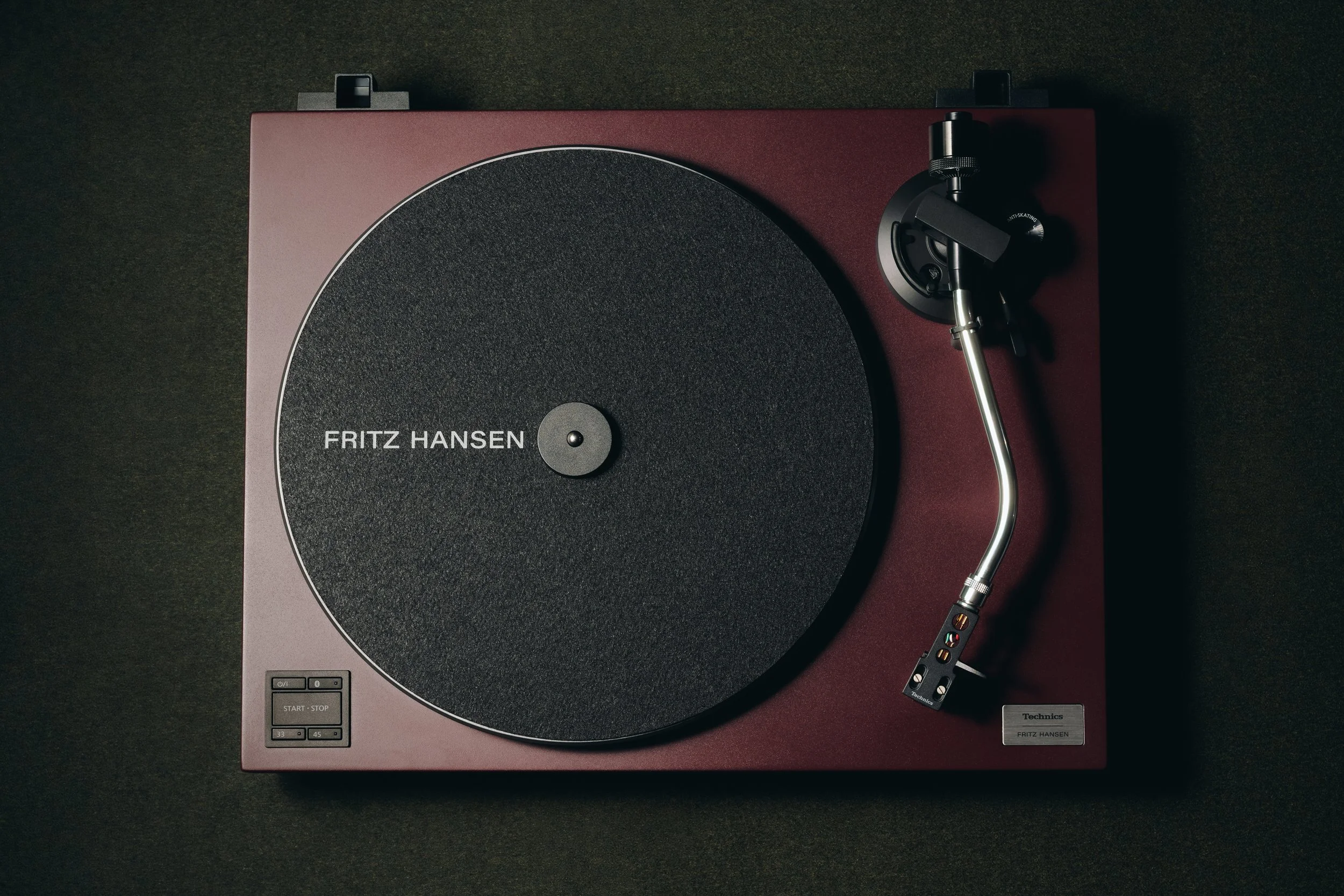
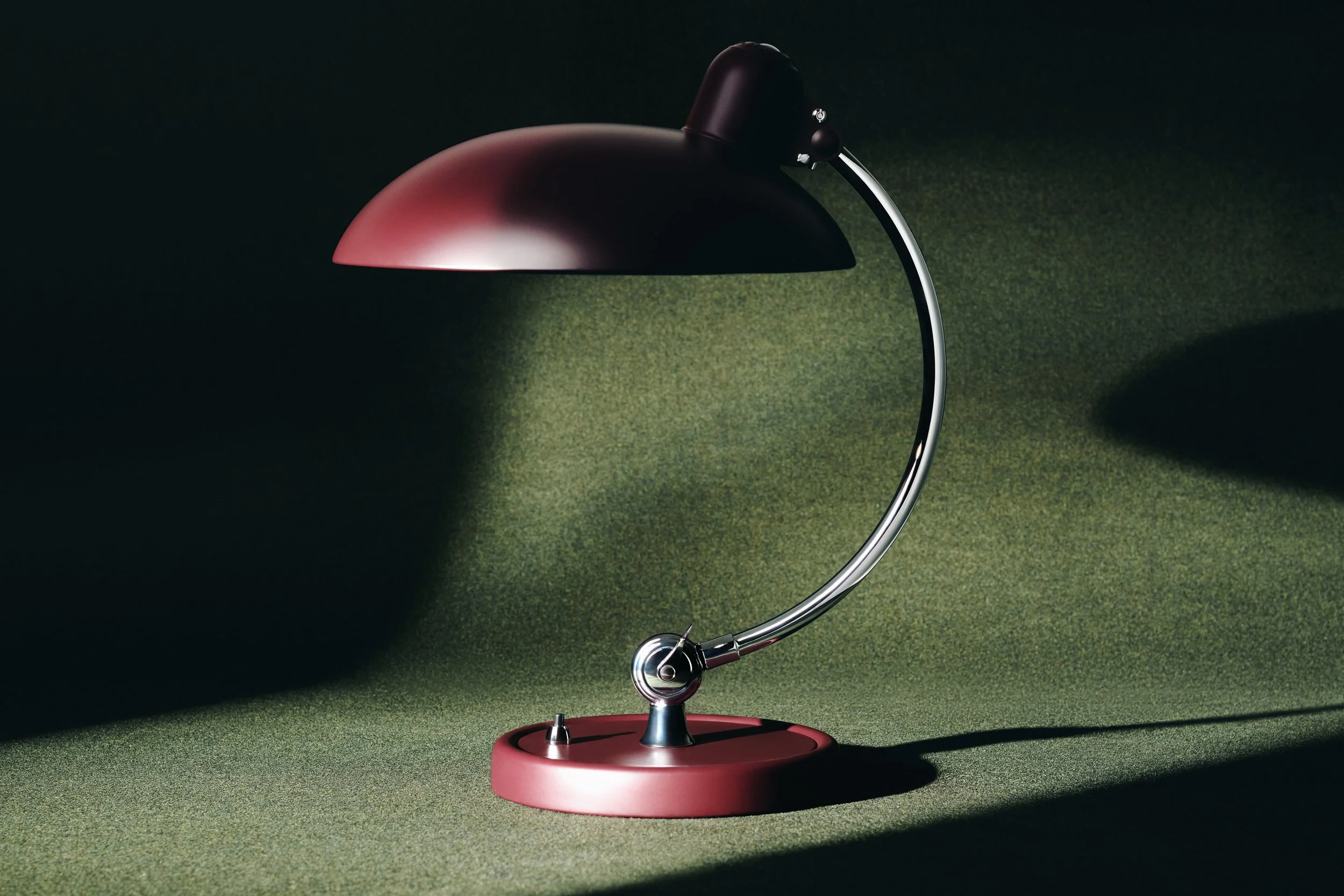
At 3 Days of Design 2026, the Danish house Fritz Hansen and the audio marque Technics unveil a collaboration in light and sound: two limited editions, finished in a single coordinated deep burgundy. There is the KAISER idell™ Luxus 6631-T lamp, and the Technics SL-40CBT turntable. One casts a pool of light; the other lays down a continuous layer of sound. Together, as the brands frame it, they compose the atmosphere of a room — and quietly make the case for an idea that has been gathering force for some years now: that listening, properly, at home, is a pleasure worth designing for again.
Two objects, two histories
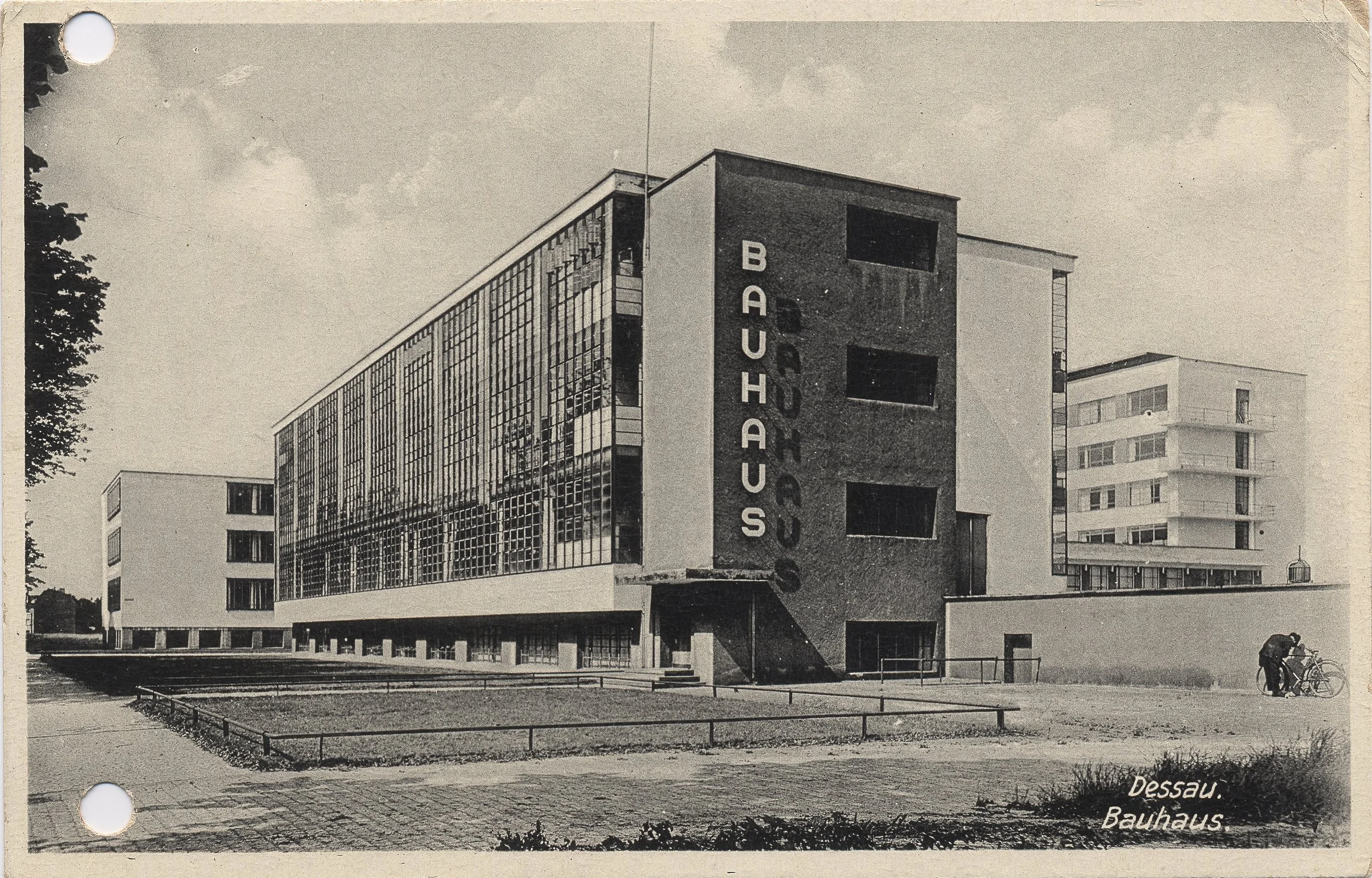
What gives the pairing its weight is that neither object is new, and both are icons. The KAISER idell™ lamp was designed in 1936 by Christian Dell, a metalworker trained in the orbit of the Bauhaus, whose work distilled the movement's belief that form should follow function without ever forgetting beauty. In 2026 the design turns ninety — its proportions, its precise curve of chrome and shade, as resolved now as they were then.
Its companion carries a different but no less serious lineage. Technics, founded in 1965, changed the physics of playback in 1970 with the SP-10 — the world's first direct-drive turntable, the work of engineer Shuichi Obata, who replaced the belt with a high-torque motor connected straight to the platter. The SL-40CBT in this collaboration draws on that same direct-drive heritage, the system prized for stable rotation and accurate sound reproduction. To place it beside a Bauhaus lamp is to recognise it, correctly, as a design object of equal standing.
Sound and light both change how a space feels without touching its structure. That's what we wanted to explore — two objects with distinct origins that, together, form a setting that is considered and deeply human.Dario Reicherl, CEO Asia, Fritz Hansen
The most important object in modern music

To understand why a turntable belongs in this company, you have to understand what Technics did to culture. The story begins, as the best ones do, at a party. In the Bronx in August 1973, a DJ called Kool Herc used two turntables to play the rhythmic break of a record over and over, inventing the "breakbeat" — the foundation of all DJ music — on a pair of Technics direct-drive decks. From that single night grew hip-hop's four pillars, and from there a global culture.
The instrument that made it repeatable arrived in 1979. The SL-1200MK2 was the model that truly made history: its high-torque motor allowed backspins and scratching without damaging the platter, and its pitch control made beatmatching practical in a way it had never been before. Technics had built it for audiophiles; DJs annexed it. By the early 1980s Grandmaster Flash and Afrika Bambaataa were redrawing the limits of what two turntables could do, and across the Atlantic the same decks would soon power the UK's warehouse parties, the acid-house summers and the rave culture that reshaped British nightlife for a generation. More than fifty years on, the SL-1200 remains a de facto standard — an object that long ago stopped being mere equipment and is now treated, fittingly, as a musical instrument.
That is the heritage standing quietly behind the burgundy turntable on the Fritz Hansen table. It is a lineage of precision in the service of feeling — which happens to be exactly what the Danish house has spent 150 years pursuing in furniture.
The Sound Club, and a theme that fits
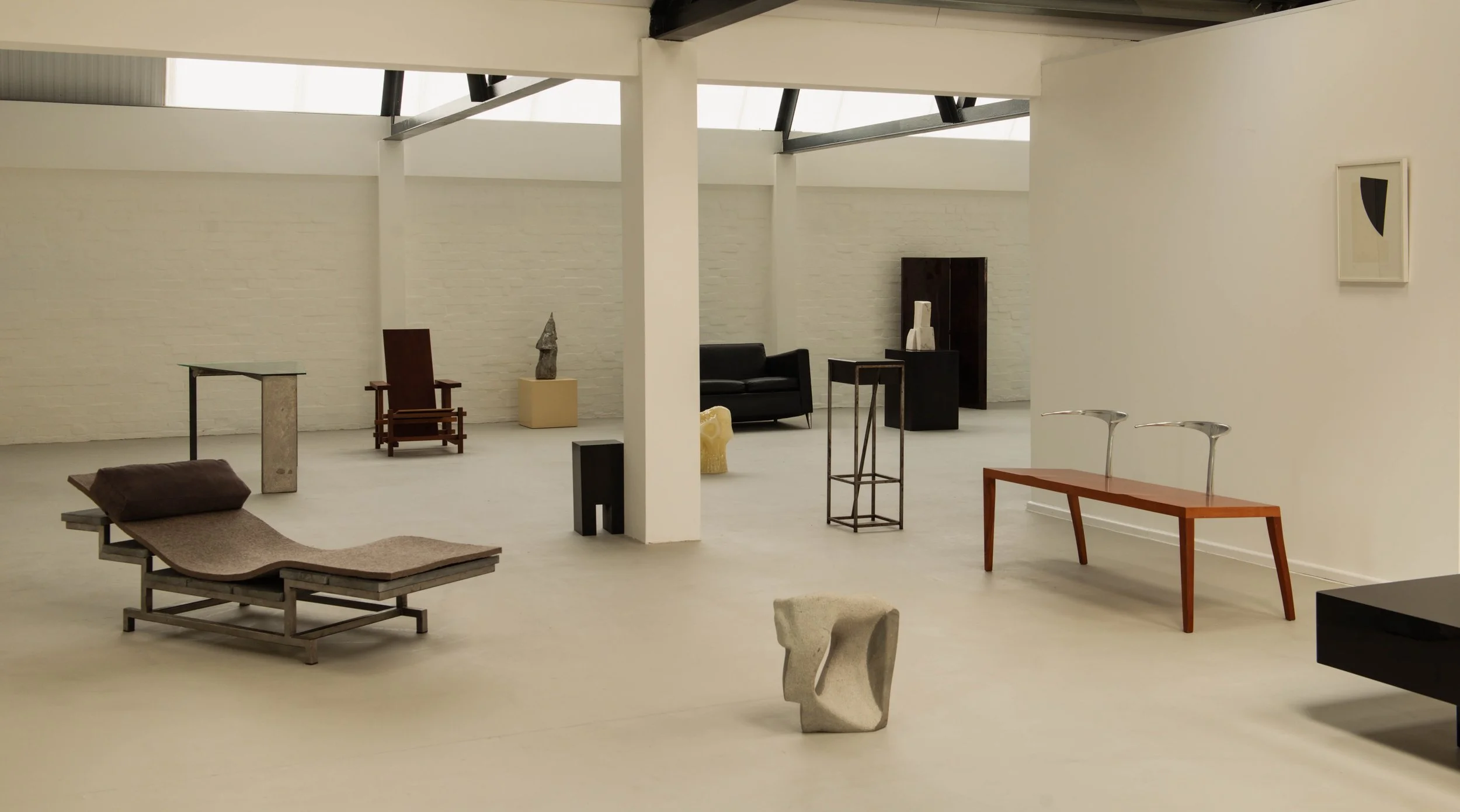
The collaboration is previewed as part of Fritz Hansen's Sound Club installation, one of the most anticipated activations of the festival — a multi-space exploration of how sound shapes the experience of furniture, light and materials, set across a listening lounge and a low-lit listening bar. Within it, the lamp and turntable are placed on original Fritz Hansen Bauhaus-style tables drawn from the archive, creating, deliberately, a more focused setting for the simple act of listening.
It is a neat answer to the festival's 2026 theme, Make This Moment Matter — a call to design for presence, for the here and now. Few rituals are more present than putting on a record: the deliberate choice, the physical object, the sustained attention to one side of music before you rise to turn it over. In an age of frictionless, infinite, algorithmic sound, that friction is precisely the point.
Why we're listening again
The collaboration lands on a genuine cultural current rather than a manufactured one. Vinyl's revival is now over a decade old and shows no sign of reversing, and with it has come a quieter shift: the return of the listening room, the listening bar, the idea that music might once again be foreground rather than wallpaper. As Technics' Ryo Ogasawara puts it, music is an art of time — and to sit with it, undistracted, is to feel time differently.
For the design-literate home, the appeal is obvious. A turntable and a lamp, considered together as a single composition of light and sound, propose a corner of a room given over to attention — the antithesis of the always-on, never-quite-heard streaming that fills most interiors. It is luxury defined, as ever, by what is removed: the notifications, the shuffle, the half-listening. What remains is a record, a warm pool of light, and the time to enjoy both.
The Collaboration
90 years of the KAISER idell™ design (Christian Dell, 1936)
Pieces
KAISER idell™ Luxus 6631-T lamp & Technics SL-40CBT turntable
Finish: Coordinated deep burgundy
Editions
200 lamps (Asia & Europe); up to 300 turntables, via Technics' distribution incl. the US
Two houses, two centuries of craft, two objects that were each, in their own field, definitive. That they should meet over the colour of a deep red wine, in a listening bar in Copenhagen, feels less like a marketing exercise than a homecoming — for the turntable, and for the idea that a room can be composed in light and sound as carefully as in furniture.
Read THE FLUXX 3 Days of Design Feature here
MORE DESIGN NEWS